
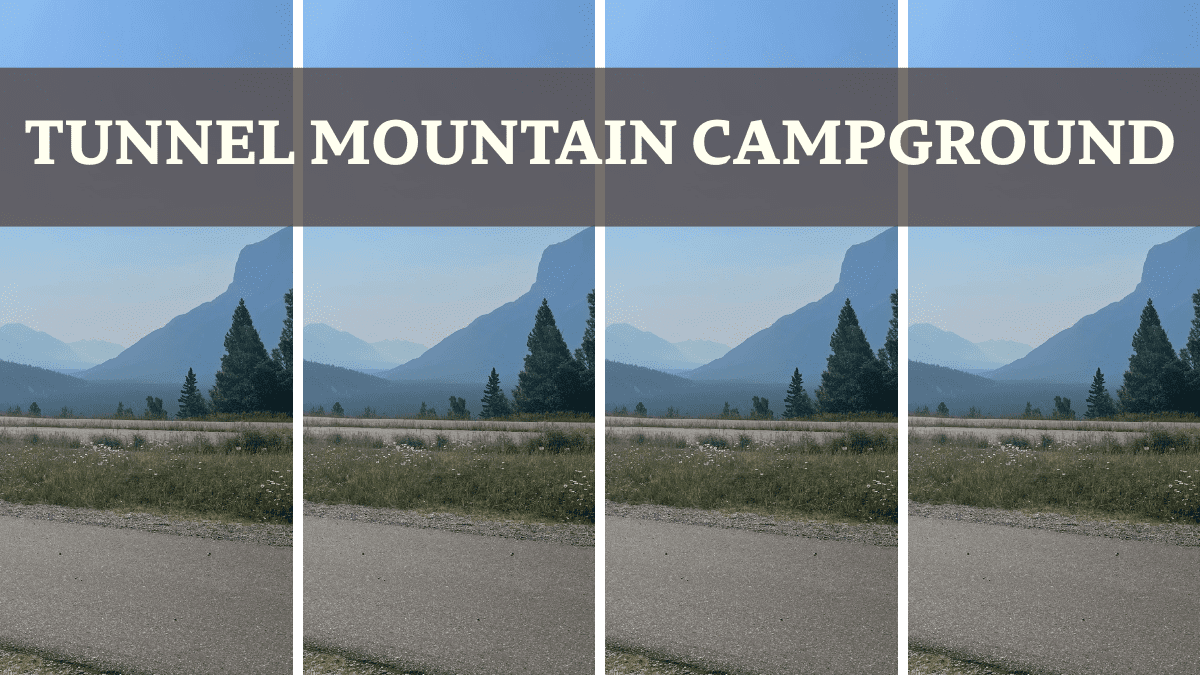
Tunnel Mountain campground pops up constantly when folks search for camping in Banff National Park, and honestly, it deserves the hype. It sits just minutes from downtown Banff and offers mountain views across the Bow Valley.
You get a real basecamp here for exploring the Canadian Rockies. But here’s where it trips people up: Tunnel Mountain isn’t just one campground. It’s actually three separate camping areas, each with its own hookups, site sizes, and overall vibe.
If you’re pulling a travel trailer or driving a motorhome into Banff, the specific Tunnel Mountain campground you pick really changes everything. Full hookups versus dry camping, wooded loops versus open pads, year-round access versus seasonal gates…It all matters.
Pick the wrong area and you might end up without the services your rig needs or, worse, stuck in a site that just doesn’t fit your setup. The upside? Once you get how the three areas compare, booking the right one is pretty straightforward.
This guide breaks down each Tunnel Mountain camping area from an RV perspective. I’ll cover the amenities and logistics that actually matter, and walk you through a booking strategy so you’re not scrambling for a site come July.
If you’re planning your first RV trip to the Rockies, or just want a refresher before your next Banff visit, Along The Rockies has a full Banff RV camping guide that’s worth bookmarking too.
Key Takeaways
- Tunnel Mountain includes three distinct campgrounds. Picking the right one really depends on your rig size, hookup needs, and the kind of camping experience you want.
- Trailer Court is the only option with full hookups and year-round access. That makes it the top choice for most RV travellers in Banff, honestly.
- Booking opens early in the year through Parks Canada, and those peak summer weekends can disappear within hours. Plan your reservation strategy well ahead if you want a spot.
How Tunnel Mountain Is Laid Out
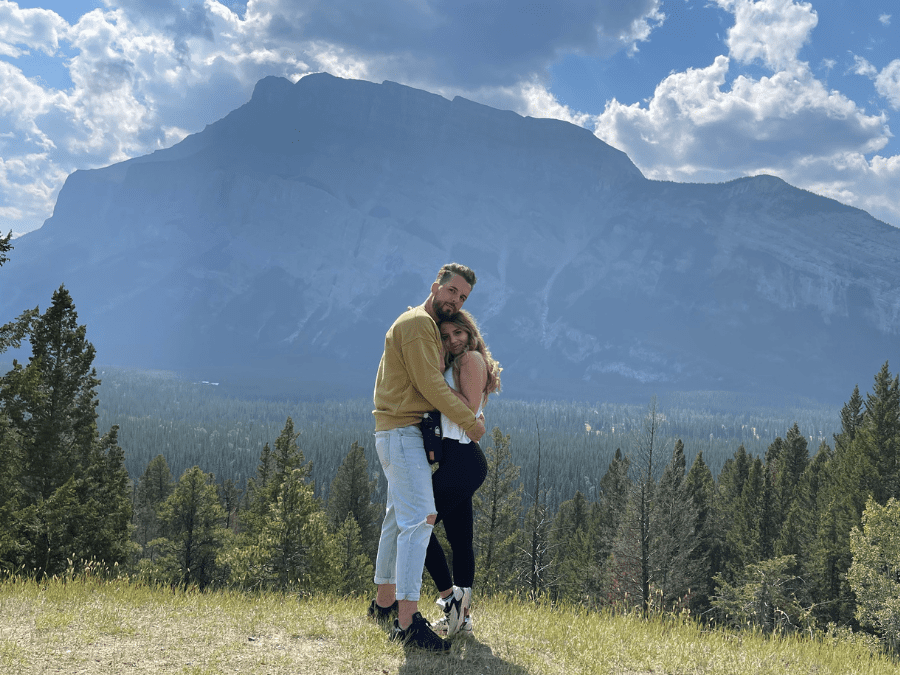
The three Tunnel Mountain campgrounds spread out on the slopes of Tunnel Mountain along Tunnel Mountain Road, about 4 km from downtown Banff. Each area has its own entrance and registration, and honestly, each has a different character, but they all share the same general neighbourhood on the east side of town overlooking the Bow Valley.
Why There Are Three Separate Camping Areas
Parks Canada runs Tunnel Mountain Village I, Tunnel Mountain Village II, and Tunnel Mountain Trailer Court as independent campgrounds. Each has its own reservation listing, fee structure, and set of amenities. This detail trips up a lot of first-time visitors. You can’t just book “Tunnel Mountain” and expect to land in the right spot—you have to choose the specific area that matches your rig and your needs before you reserve.
The three areas exist because they serve different camping styles.
- Village I mainly caters to tent campers and smaller setups.
- Village II adds electrical hookups for RVs and trailers.
- Trailer Court provides full hookups for larger rigs.
If you know this distinction before you book, you’ll save yourself from rolling up with a 30-foot trailer at a site meant for a tent. Yikes.
Where Each Area Sits Relative To Downtown Banff
All three campgrounds sit just a short drive from downtown Banff. You’re looking at about five minutes by vehicle, maybe a bit more if traffic’s heavy.
Walking takes 30 to 45 minutes, depending on which loop your site’s in. Trailer Court and Village II are a bit farther up Tunnel Mountain Road, while Village I sits closer to the lower slopes.
The Roam Transit bus serves the Tunnel Mountain area, so you can leave your truck parked at camp most days. That’s a huge plus, especially in the summer.
What The Overall Setting Feels Like
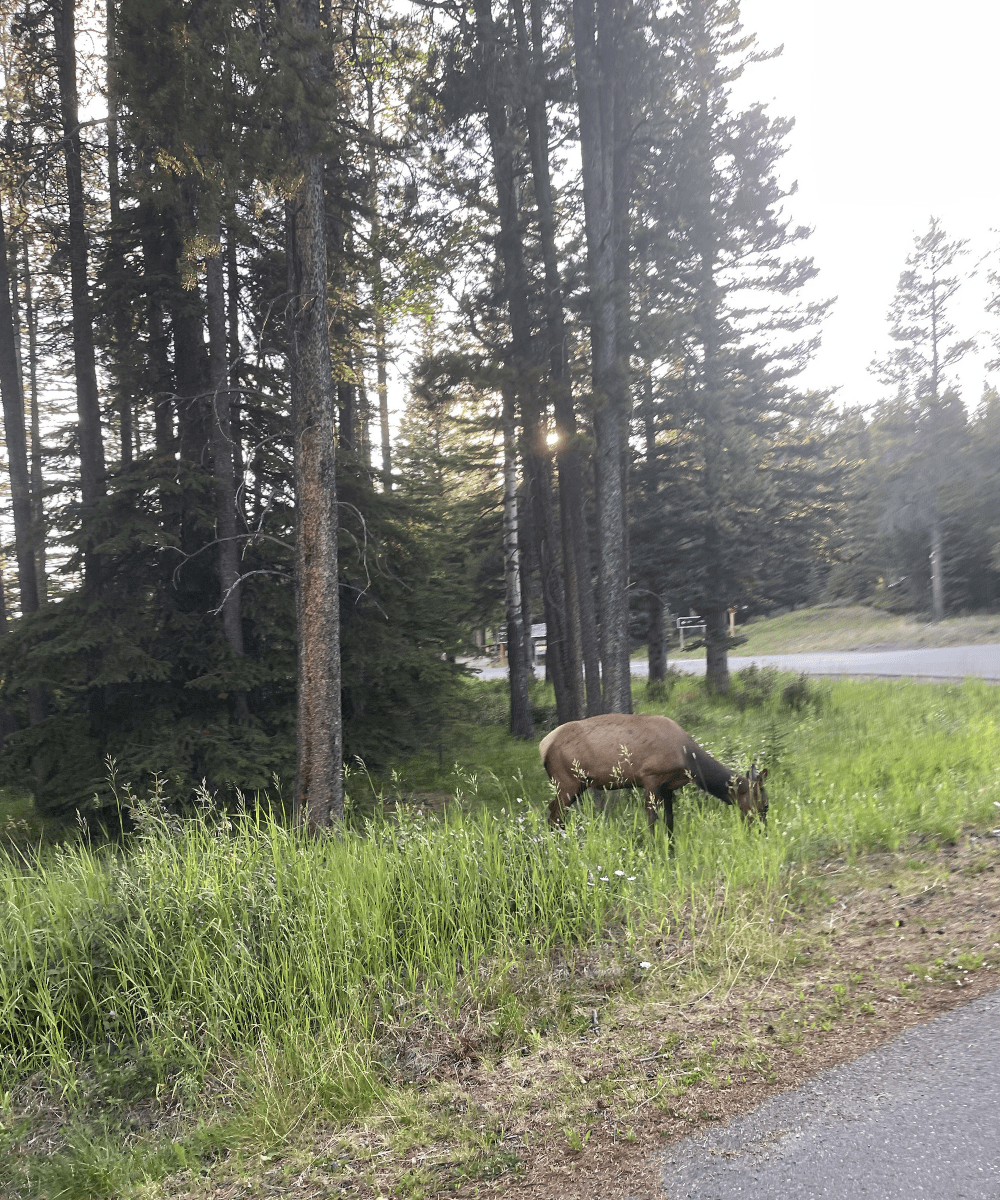
The campgrounds mix lodgepole pine forest with open meadows. Mountain views toward Mount Rundle and Cascade Mountain pop up from lots of campsites, especially on the upper loops. Elk, bighorn sheep, and deer wander through pretty regularly.
It really does feel like proper mountain camping, even though town is just down the road. Not a bad setup at all.
Which Area Fits Your RV Setup Best
Your rig type and hookup needs should drive your decision between the three Tunnel Mountain areas.
- Trailer Court handles the big rigs with full services.
- Village II offers power, but not the full hookup package.
- Village I works best for smaller or self-contained setups that don’t need any hookups at all.
Trailer Court For Full Hookups And Bigger Rigs
Tunnel Mountain Trailer Court is the go-to for most RV travellers in Banff. It’s got 322 sites with full hookups—15-amp and 30-amp electrical, water, and sewer at each site. If you’re towing a larger trailer or you’ve got a Class A motorhome, this is where you want to be.
Sites fit units up to 15 metres (about 50 feet). There’s a dump station on-site if you need it. The layout is more open and less wooded than the Village areas, which definitely makes manoeuvring a bigger rig easier.
Heads up: open campfires aren’t allowed in Trailer Court. You’ll need to cook with your RV kitchen or a camp stove. Not everyone loves that, but it’s the rule.
Trailer Court operates from early May through early October and is the only Tunnel Mountain campground with full hookups.
Expect to pay roughly $47 per night. Not the cheapest, but you get what you pay for here.
Village I For Dry Camping And A More Wooded Feel
Tunnel Mountain Village I is the biggest of the three, with 618 sites. Parks Canada designed it mainly for tent camping and smaller vehicles. You won’t find power or water hookups at individual sites here.
If you’ve got a fully self-contained campervan or a small trailer and don’t need hookups, Village I gives you a more forested, traditional camping experience. Some upper-loop sites have amazing views across the valley, which is a nice bonus.
Flush toilets, hot showers, potable water taps, fire pits, and food storage lockers are all available. You’ll have what you need, just not at your actual site.
This campground runs from mid-May to early October. Nightly rates hover around $34.
Village II For Power Sites And Flexible RV Stays
Tunnel Mountain Village II sits right in the middle. It’s got 209 sites with 15-amp, 30-amp and 50-amp electrical hookups, but no water or sewer at individual sites. If your RV needs power but you can manage without full hookups, this is your spot.
Village II can handle larger units, including trailers up to 40 feet. The setting feels a lot like Village I with those forested loops, but the sites are a bit more open to fit bigger rigs.
You’ll find flush toilets, hot showers, fire pits, and food storage on-site. It’s not fancy, but it’s comfortable.
Village II remains open year-round, making it one of the few places in the park where winter camping is possible. Nightly rates will run you around $40.
Amenities, Services, And On-Site Rules
The three Tunnel Mountain campgrounds share some facilities, but they differ a lot in hookup levels and certain rules. Knowing what’s available at each area helps you pack right and avoid annoying surprises when you show up.
Power, Water, Sewer, And Dump Station Basics
Only Trailer Court gives you full hookups with power, water, and sewer at each site. Village II provides electrical hookups (15-amp, 30-amp and 50-amp), but no water or sewer. Village I skips hookups altogether.
You’ll find a complimentary dump station at Trailer Court, and campers from any of the three areas can use it. If you’re at Village II without sewer hookups, just factor in a trip to the dump station before you leave. Potable water taps are scattered throughout all three campgrounds for filling jugs and containers.
Showers, Washrooms, Fire Pits, And Food Storage
All three campgrounds have central washroom buildings with flush toilets and hot showers. Showers get busy in the mornings, so if you want to dodge the line, try mid-afternoon or evening instead.
Fire pits and picnic tables come standard at Village I and Village II sites. Trailer Court bans open campfires, so bring a propane fire bowl or camp stove if you want to cook outside. Bear-proof food storage lockers are at every site, and you’re required to use them. All food, coolers, and anything with a scent needs to be stored properly when you’re not using it.
Generator Expectations And Fire Permit Considerations
Quiet hours run from 11:00 p.m. to 7:00 a.m., and Parks Canada actually enforces them. Generator use outside those hours has to follow the posted guidelines for your specific area.
Generators are only permitted during designated hours, typically from 9:00 a.m. to 10:30 a.m. and again from 5:00 p.m. to 7:00 p.m., so don’t plan on running one whenever you feel like topping up your batteries.
Banff National Park uses a fire permit system. If your site has a fire pit, you’ll need to add a fire permit to your reservation fee.
Firewood must be bought on-site or in town. Collecting wood in the park isn’t allowed. Fire bans happen pretty often during dry summers, so always have a backup cooking plan. A camp stove is honestly essential gear for any Banff trip.
Getting Around Without Driving Into Town
Want to know one of the best things about Tunnel Mountain campground? You don’t have to move your tow vehicle every time you want to grab groceries or check out downtown Banff. Transit, trails, and bike paths connect the campground area to town, so your truck can just hang out at camp for days.
Using Roam Transit From The Campgrounds
Roam Transit runs a local bus route that serves the Tunnel Mountain campgrounds and connects directly to downtown Banff. The bus runs regularly during peak season, and it’s honestly the easiest way to get into town without dealing with Banff’s busy streets or the headache of parking.
You can hop on at stops along Tunnel Mountain Road. The ride only takes a few minutes. This is a lifesaver in July and August when downtown parking is basically a unicorn.
Walking And Biking Options Into Banff
Walking from camp to downtown takes about 30 to 45 minutes, depending on where your site is. You can follow Tunnel Mountain Road or take the trail paths that wind down toward town. It’s a pleasant walk with mountain views, but the return trip is uphill and can really tire out younger kids.
Biking is faster and way more practical for families. An e-bike cuts the trip to under ten minutes and makes the uphill ride back almost effortless. If you brought bikes or e-bikes, this is hands-down the most convenient way to move between camp and town on a daily basis.
When It Still Makes Sense To Use Your Tow Vehicle
For day trips to Lake Louise, the Icefields Parkway, or Lake Minnewanka, you’ll definitely need your vehicle. Same goes for grocery runs if you’re stocking up at the IGA or Safeway in town with a big haul.
Roam Transit and biking cover the day-to-day errands and casual exploring, but anything beyond the Banff townsite really does require a drive. Sometimes, there’s just no way around it.
Nearby Views, Trails, And Easy Add-Ons
Tunnel Mountain puts you within walking distance of some of the best short hikes and scenic stops in Banff. You really don’t even have to drive anywhere for your first day or evening of exploring, which is kind of a relief.
Tunnel Mountain Summit And Other Close Hiking Options
The Tunnel Mountain Trail starts right from the campground area. It’s a 2.3 km out-and-back hike that climbs steeply but, honestly, most ages can handle it.
The summit gives you these amazing 360-degree views—downtown Banff, the Bow Valley, Mount Rundle, Cascade Mountain, all laid out in front of you. It’s possibly one of the best sunset hikes you can do with kids in Banff National Park, at least in my book.
You can also access other hiking trails from camp or just a quick drive away. The area around Tunnel Mountain connects to a loop trail that circles the campground with gentle grades and mountain views, so it’s a good option if you’ve got younger kids or just want an easy morning stretch.
Scenic Stops Near Camp Such As Hoodoos And Lake Minnewanka
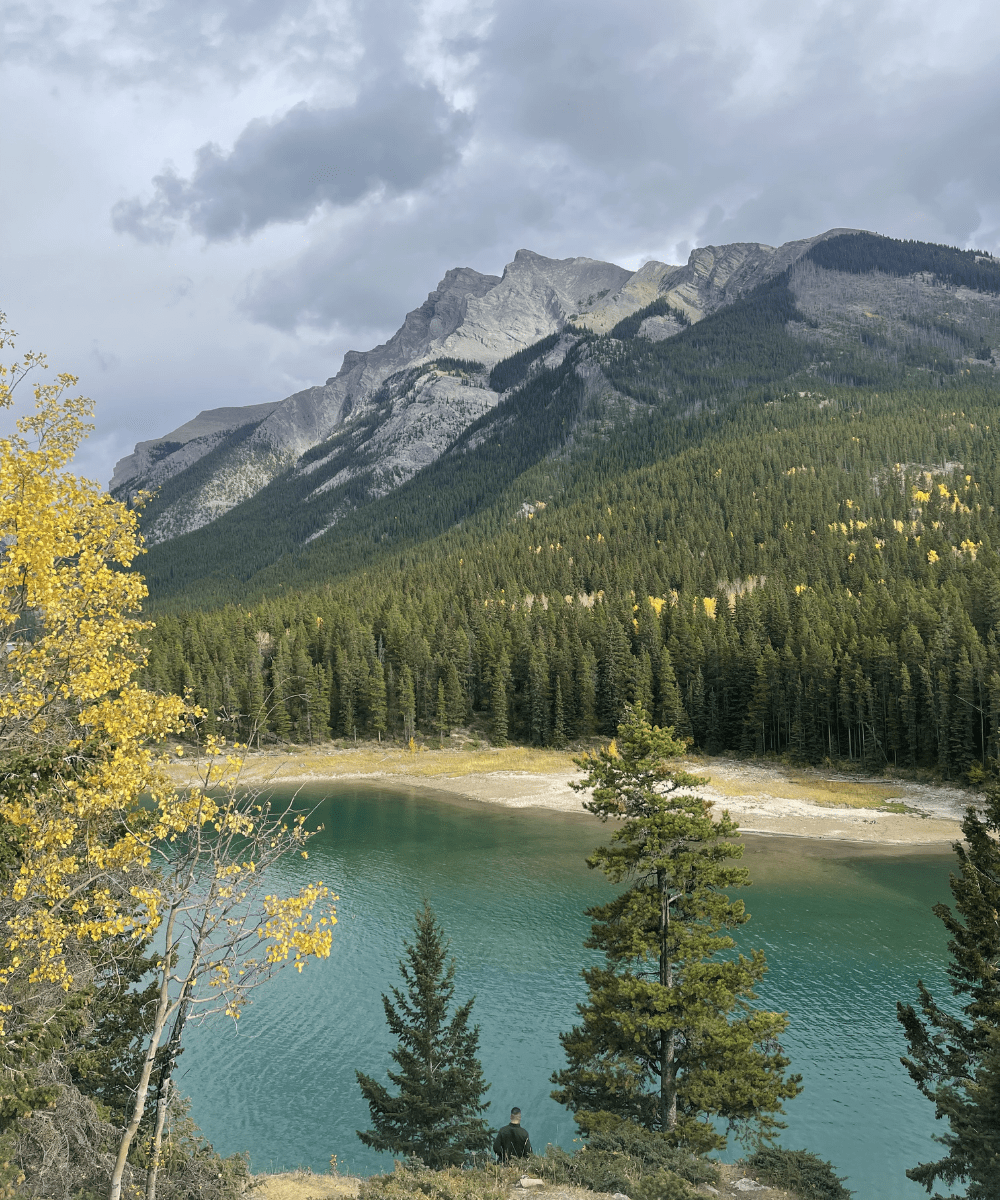
The Hoodoos Trail takes you to those iconic rock formations along the Bow River. It’s just a short walk or drive from camp, and the trail itself is easy and mostly flat, which is great if you’re wrangling toddlers or pushing a stroller.
Lake Minnewanka sits about a 15-minute drive from Tunnel Mountain. It’s one of the larger lakes in Banff National Park and makes a fantastic spot for a picnic, a shoreline walk, or even a boat tour if you’re feeling ambitious. This one’s an easy half-day add-on—you don’t really need to plan much for it.
Best Nearby Sights For Short Family Outings
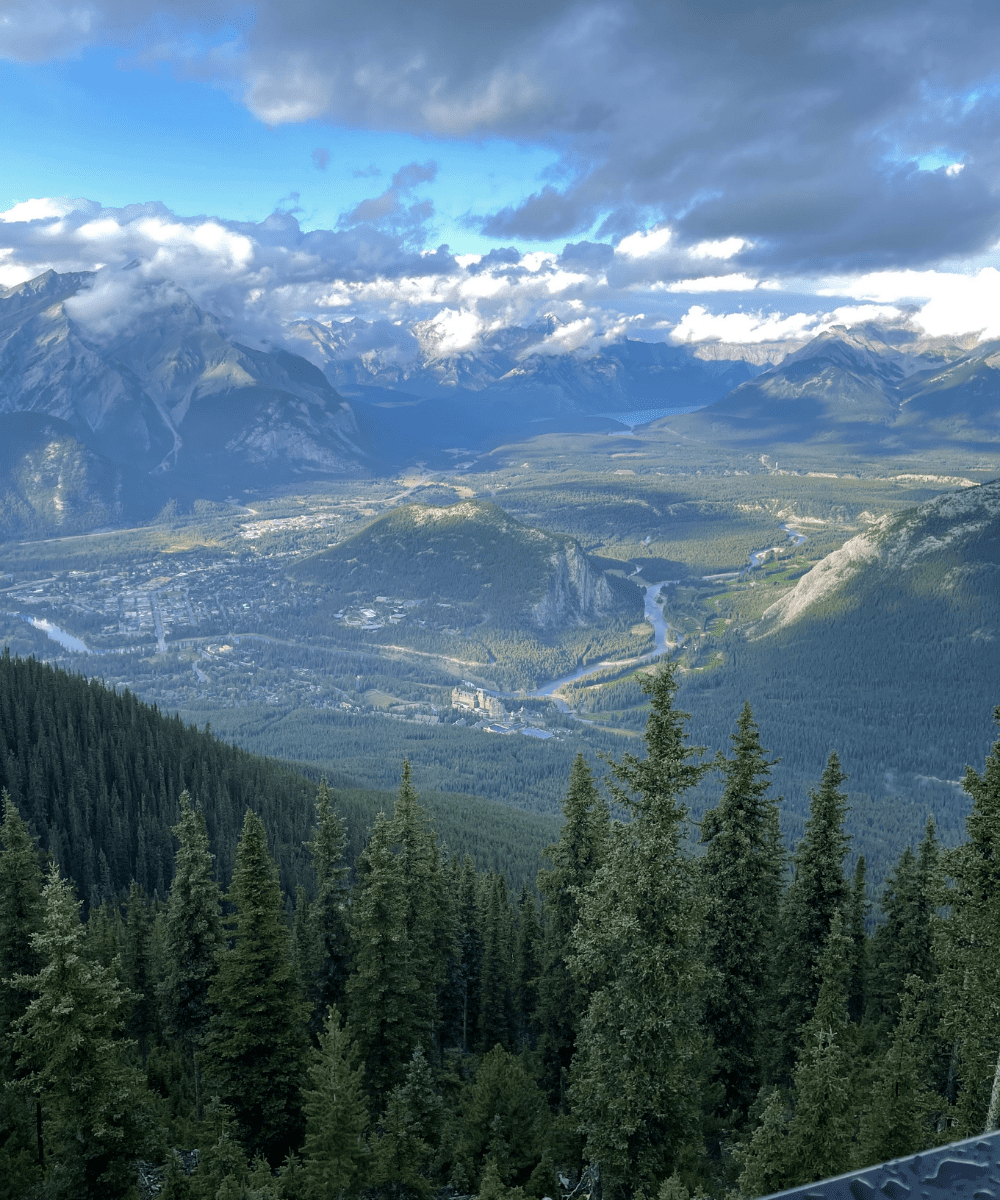
The Banff Gondola is just minutes from the campground and takes you up Sulphur Mountain for those classic panoramic views. The Banff Springs Hotel and Banff Springs Golf Course sit below Tunnel Mountain, and honestly, they’re worth at least a quick drive-by or a walk through the grounds if you’re into that sort of thing.
For families, these short outings fill a morning or afternoon without eating up a whole day. They pair really well with a campfire dinner back at your site (if you’re at Village I or Village II), or just a quiet evening watching elk wander through the meadows—if you’re lucky enough to spot them.
Booking Strategy And Timing Tips
Getting a site at Tunnel Mountain during peak season takes some planning. These campgrounds rank among the most popular in Canada, and weekends in July and August can sell out within hours of opening. A clear reservation strategy really makes the difference between landing your preferred site and scrambling for whatever’s left.
When Reservations Open And Why Sites Go Fast
Reservations for all three Tunnel Mountain campgrounds open through Parks Canada’s reservation system at reservation.pc.gc.ca. Booking usually opens in January for the upcoming summer season.
Peak weekends disappear fast because Tunnel Mountain is the closest campground to downtown Banff and one of the few in the park with hookups. Set a reminder for the opening date and be ready to book the second the system goes live. If you have your preferred dates, site type, and backup options ready before you log in, you’ll save yourself some frantic clicking.
How To Choose A Site Type Before You Book
Before reservation day, figure out which of the three campgrounds fits your setup. Ask yourself a few questions:
- Do you need full hookups? Go for Trailer Court.
- Do you just need power? Village II is your spot.
- Are you self-contained and want a more wooded, traditional vibe? Village I might be the one.
Also, think about your rig length. Trailer Court and Village II can handle larger units better than Village I. Perimeter sites in Village II tend to give you more privacy and tree cover, which is always a bonus. The upper-loop sites in Village I have the best valley views, at least in my opinion.
Seasonal Trade-Offs Including Summer And Winter Stays
July and August bring the warmest weather—but also the biggest crowds. Shoulder season months like May, June, September, and early October offers better availability and fewer people. The trade-off? Cooler temperatures and the chance of early or late-season snow, so pack accordingly.
Winter camping at Village II is actually a pretty unique option. Electrical hookups keep your RV livable even in January, and the whole area turns into a hub for cross-country skiing, snowshoeing, and fat-biking. If your rig’s insulated for cold weather, a winter Banff trip can be surprisingly enjoyable—more than you might think.
Frequently Asked Questions
How do I book a campsite, and what is the cancellation policy?
You can book all three Tunnel Mountain campgrounds through Parks Canada’s reservation system at reservation.pc.gc.ca or by calling 1-877-737-3783. Reservations open in January for the summer season, but check the Parks Canada website for current cancellation policies—fees and timelines seem to change every year.
What are the check-in and check-out times, and what are the quiet hours?
Each campground posts check-in and check-out times at their registration area, and these can shift a bit by season. Quiet hours run from 11:00 p.m. to 7:00 a.m., and campground staff do enforce them. Plan any generator use, late arrivals, or early departures around those hours if you can.
Are there showers, flush toilets, and potable water available on-site?
Yep—all three Tunnel Mountain campgrounds have central washroom buildings with hot showers, flush toilets, and potable water taps. Showers can get busy during the morning rush, so if you can, aim for mid-afternoon. It’s usually quieter then.
Which campsites can accommodate RVs, and are there power hookups or a dump station?
Tunnel Mountain Trailer Court has full hookups (power, water, sewer) and can handle units up to 50 feet. Village II offers 15-amp, 30-amp. and 50-amp electrical hookups and also accommodates larger rigs. You’ll find a dump station at Trailer Court. Village I doesn’t have hookups and is best for tents and small self-contained vehicles.
Are campfires allowed, and what firewood rules or fire bans should I know about?
Campfires are allowed at Village I and Village II sites if you have a fire permit, which you can add to your reservation fee. Open campfires aren’t permitted at Trailer Court. You need to buy firewood on-site or in town—collecting wood in the park isn’t allowed. Fire bans are common during dry summer periods, so always bring a fire bowl and camp stove as a backup just in case.
What wildlife and bear-safety measures should campers follow while staying there?
You’ll probably spot elk, deer, bighorn sheep, and coyotes wandering around Tunnel Mountain. Honestly, the elk can get pretty bold—try to keep at least 30 metres away, especially when the fall rut rolls around.
Bears don’t usually show up in the campground, but hey, it’s still possible. To be safe, stash all your food, coolers, and anything with a scent inside the bear-proof food lockers at your site.
Whatever you do, don’t leave food sitting out on your picnic table. And if you’re storing anything in your car, make sure the windows are up—leaving them down is just asking for trouble.