
The Ultimate Guide to RV Camping in Yoho National Park
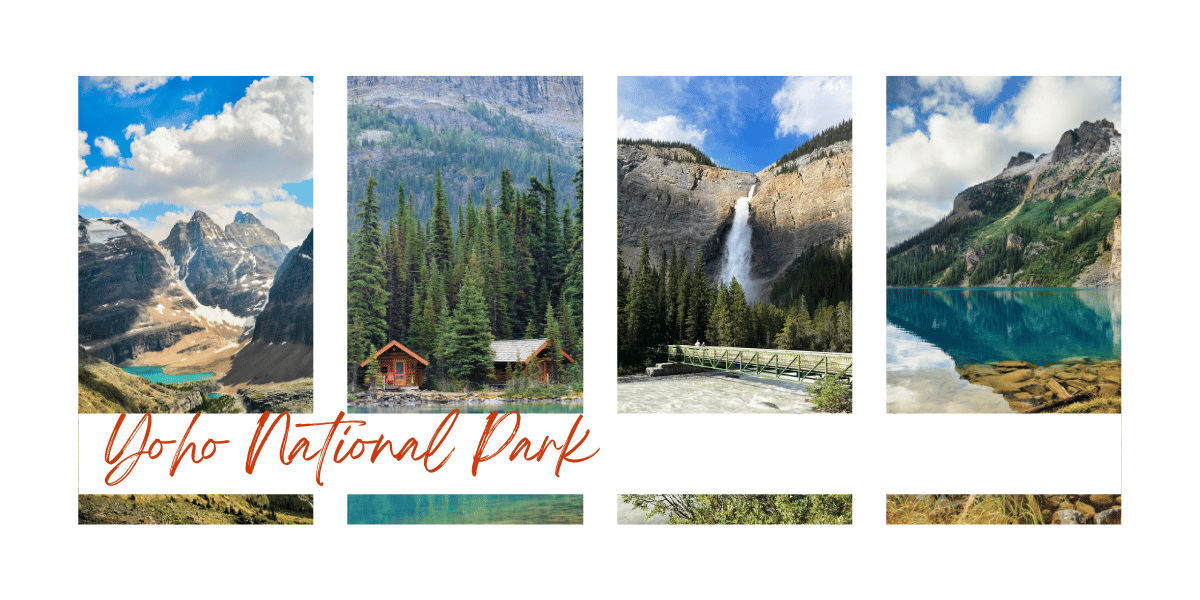
RV camping in Yoho National Park—honestly, it’s probably the best way to experience a quieter, wilder side of the Canadian Rockies. But, wow, it comes with real challenges that catch a lot of travellers off guard.
Steep mountain grades, tight switchbacks, and almost no hookups at campgrounds? This is not the place to just show up and hope for the best.
If you’re planning to bring your RV into Yoho, this guide should help you dodge the costly mistakes we’ve seen (and, yeah, made ourselves). Whether you’re coming from the Icefields Parkway or heading in from the west, you’ll want to focus on the waterfalls, turquoise lakes, and mountain views—not on avoidable headaches.
This guide is really for RV travellers, families, and beginners who want clear, practical advice before they commit to a Yoho trip. Whether you’re towing a travel trailer or piloting a Class C motorhome, you’ll find info here about campground options, road restrictions, booking tips, backup plans, and family-friendly activities.
Most guides just skip over the hard truths about Yoho National Park camping. We don’t.
Everything here comes from real trips out of our home base in Alberta, where crossing into Yoho is a regular part of our family’s summer plans. You should expect honest warnings, specific tips, and no fluff.
Key Takeaways
- Yoho’s campgrounds are mostly unserviced, so you’ll need to plan for dry camping—no power or water hookups at your site.
- Trailers and big RVs can’t make the switchbacks to Takakkaw Falls, and Emerald Lake parking fills up before mid-morning.
- Golden, BC and the Lake Louise campground in Banff work as solid backup options if Yoho’s limited sites are full.
Why Yoho Is a Hidden Gem for RVers (And What to Watch Out For)
Yoho National Park sits on the western slope of the Rockies in British Columbia, right across the border from Banff. It’s home to towering waterfalls, turquoise lakes, and rugged peaks that honestly rival anything you’ll find in the more famous parks next door—but with way fewer crowds.
We love crossing into Yoho from Alberta because it just feels wilder and more peaceful than Banff does on a busy summer weekend. The park’s world-renowned for its hiking trails and the Burgess Shale, one of the most significant fossil fields anywhere. The pace slows down, and the scenery feels raw.
But, Yoho isn’t as forgiving for RVers. The park throws steep mountain grades at you along the Trans-Canada Highway, and the roads are narrow—definitely not built for big rigs.
Once you’re inside, you won’t find many RV-friendly amenities. Forget private RV resorts with full hookups. You won’t see convenience stores on every corner, either.
Yoho is Canada’s second-oldest national park, and honestly, it still feels that way. The infrastructure here is minimal compared to Banff or Jasper.
Planning isn’t optional. If you show up without knowing the road restrictions, campground limitations, or booking windows, your trip can go sideways in a hurry.
The sections below cover exactly what you need to know before you go.
The Best RV Campgrounds in Yoho National Park
Yoho only has a handful of front-country campgrounds, and they’re almost all unserviced. There are some accessible campgrounds with better terrain for mobility, but dry camping is the reality here.
The park manages several backcountry campgrounds for hikers, but RVers have to stick to the established road-access sites. You won’t get power or water hookups at your site, and dump stations are limited. Choosing the right campground matters more in Yoho than almost anywhere else in the Rockies.
Kicking Horse Campground (The Best for RVs)
Kicking Horse Campground is the main hub for RV camping in Yoho. It’s the only campground with real amenities.
You get flush toilets and hot showers—honestly, that’s a luxury in this park. There’s a sani dump station on-site for emptying your tanks.
Many sites sit right along the Kicking Horse River, and the setting is gorgeous. Some spots have decent tree cover, and others are more open.
There’s even an evening theatre program, which makes it a great pick for families.
The catch? You don’t get power or water hookups at your site. Bring a fully charged battery bank, a generator (where permitted), or maybe a portable solar setup.
Definitely fill your fresh water tank before you arrive.
Sites can handle larger rigs, but check the specific site length when you book. Some campground loops have tight turns that can be tricky with a long trailer.
Monarch Campground (The Overflow Option)
Monarch Campground sits right near Kicking Horse but offers a totally different experience. It’s much more rustic, runs on a first-come, first-served basis, and only has pit toilets.
The campground is basically a big open gravel area with basic site markers. No showers, no theatre, and no river views like Kicking Horse.
It works well as a backup if Kicking Horse fills up, and it doubles as a practical staging area. This is where a lot of RVers unhitch their trailers before driving up Yoho Valley Road.
If you just need a place to park for the night and don’t care about amenities, Monarch gets the job done.
Hoodoo Creek Campground
Hoodoo Creek Campground sits further west along the Trans-Canada Highway, closer to the park’s western boundary. It tends to feel quieter and more isolated than the other two options.
The campground has pit toilets and kitchen shelters, but it’s often closed early and late in the season, or running on limited hours. You should check with Parks Canada for the current status before counting on it.
Hoodoo Creek works best for smaller rigs and campervans. The roads in and out are narrow, and sites are tighter than what you’ll find at Kicking Horse.
This area is also popular for tent camping among folks looking for a more secluded forest experience. If you’re towing anything over 25 feet, I’d say this probably isn’t the right fit.
Crucial Road Restrictions for RVs in Yoho
This section might save your trip—or at least save you from a seriously stressful day. Yoho has road restrictions that RV travellers can’t ignore, and skipping them can mean damaged equipment or a dangerous situation on a mountain road.
The Takakkaw Falls Road (Yoho Valley Road) Switchbacks
Don’t try to drive Yoho Valley Road with a trailer or large RV. The road up to Takakkaw Falls has insanely tight switchbacks that trailers and most big motorhomes just can’t handle. There’s no room to turn, and the grade is steep.
You’ll need to unhitch your trailer before driving up. Monarch Campground’s overflow lot is where most people leave their trailers before making the drive in their tow vehicle.
Takakkaw Falls is one of Canada’s tallest waterfalls and it’s absolutely worth seeing. Near the falls, Takakkaw Falls Campground gives you a walk-in experience if you’re looking to get away from your vehicle.
This area is a major trailhead for the Iceline Trail, which offers spectacular alpine views. We’ve watched people try to make those switchbacks with a rig that’s too big—seriously, unhitch first at Monarch.
Even in a tow vehicle or a smaller motorhome, you’ll want to drive carefully. The road has sharp curves with limited sightlines, and oncoming traffic can pop up quickly.
Parking at Emerald Lake
Emerald Lake is one of the most photographed spots in the Canadian Rockies, and honestly, it’s easy to see why. The turquoise water is unreal.
But the parking lot? It’s tiny and not designed for RVs at all.
If you roll up in a 30-foot motorhome after 9:00 AM on a summer day, you’re setting yourself up for frustration. The lot fills early, and there’s barely any room to turn around.
This is also where you catch the bus to Lake O’Hara—a super protected alpine area that you can only visit with a pre-booked shuttle.
Our advice: show up before 8:00 AM or wait until after 6:00 PM. The light’s better then anyway, and you’ll actually find a spot.
If you’re in a bigger rig, try parking at the Natural Bridge pullout (which has way easier RV parking) and arrange a shuttle or carpool to the lake.
How to Book Your Yoho RV Campsite
Booking a campsite in Yoho is pretty straightforward, but timing and flexibility are everything. With so few campgrounds, sites disappear fast when reservations open.
The Parks Canada Reservation System
You can book Kicking Horse Campground through the Parks Canada reservation portal. They usually open reservations for the upcoming season in January or February.
The exact date changes every year, so keep an eye on the Parks Canada site starting in late December. Set a reminder and be ready to book the second reservations go live.
Peak summer weekends (July and August) sell out within hours—sometimes minutes. Mid-week stays are easier to snag, and shoulder season dates in June or September usually have better availability.
You’ll need a Parks Canada national park pass, in addition to your campsite reservation fee.
First-Come, First-Served Realities
Monarch Campground runs entirely on a first-come, first-served basis. There’s no way to reserve ahead.
The best move is to show up by 10:00 AM. Most campers check out in the morning, and sites open up between 9:00 and 11:00 AM.
If you arrive in the afternoon, especially on a Friday, your odds aren’t great. Have a backup plan ready.
If Monarch is full when you get there, you’ll need to pivot fast to a campground outside the park. Keep reading for those options.
Where to Camp if Yoho Is Full
With Yoho’s limited campground capacity, getting shut out is a real possibility—especially in peak season. The good news? You’ve got solid backup options on both sides of the park.
Golden, British Columbia (West of the Park)
Golden is the closest full-service town to Yoho’s western entrance, about 25 minutes from the park gate. It’s got several campgrounds near Yoho National Park, including Whispering Spruce Campground, which actually offers full hookups.
Fun Fact: Whispering Spruce was our very first RV campground we stayed at and still one of my personal favs.
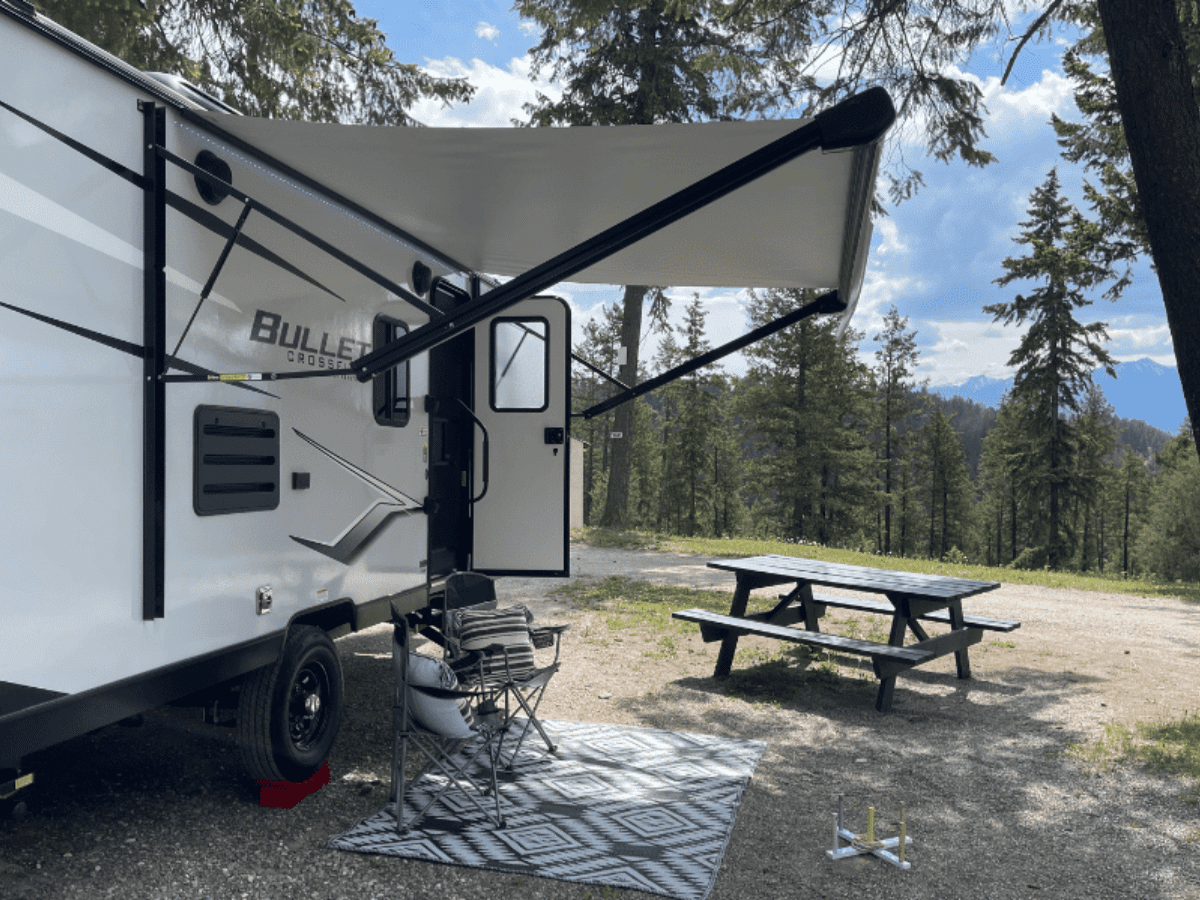
These private RV resorts give you power, water, and sewer—stuff you won’t find inside the park. Just south of town, the Columbia Valley has even more options if you want to explore the region.
After a few days of dry camping in Yoho, we usually head to Golden to recharge. A lot of families continue south to Fairmont Hot Springs for the natural hot springs and resort amenities.
The town has grocery stores, fuel, restaurants, and laundromats. It’s a practical base for day trips into the park if you can’t snag a site inside.
Lake Louise (East of the Park)
The Lake Louise Hard-Sided Campground in Banff National Park is only about 20–30 minutes from Field. It’s perfect for visiting nearby Moraine Lake before heading into Yoho.
Honestly, it makes a great base camp for exploring Yoho during the day and coming back to a slightly more established campground at night.
Lake Louise fills up quickly too, so book early through the Parks Canada reservation system. The campground only takes hard-sided units (no tents or soft-sided campers) because of bear activity, which is fine for most RV travellers.
Being this close to both Banff and Yoho means you can split your time between two parks without moving your rig. Kootenay National Park is also a short drive away, so you’ve got even more mountain landscapes to explore from your central base.
Family-Friendly RV Itinerary Ideas in Yoho
Yoho packs a surprising number of family-friendly activities into a pretty small area. Most highlights are right off the Trans-Canada Highway or a short drive away, so day planning is simple when you’re based at a campground.
Easy Sights for Families
Start with the Emerald Lake loop walk. The flat trail around the lake covers about 5 kilometres, and honestly, it’s manageable for kids of almost any age.
Just a quick heads-up: arrive early or late unless you want to battle for parking. Those lots fill up fast, especially in summer.
The Natural Bridge is another easy stop. It’s honestly one of the best in the park for families, especially if you’re rolling in with an RV.
There’s a big pullout with plenty of space for larger vehicles. The short walk over to see the Kicking Horse River carving through solid rock only takes a few minutes, but it’s pretty fascinating—kids always seem to love it.
You might also want to check out Wapta Falls. The trail isn’t tough, and it leads right to one of the park’s most powerful waterfalls.
Takakkaw Falls is a must-see, no question. The falls rank among the tallest in Canada, and the walk from the parking lot to the base is short and mostly flat.
One thing, though: unhitch your trailer at Monarch before you drive up Yoho Valley Road. Seriously, can’t say it enough times.
The Spiral Tunnels Viewpoint
This quick stop sits right off the Trans-Canada Highway. It’s one of the easiest RV-friendly pullouts in the park, no doubt.
The viewpoint gives you a look at the famous Spiral Tunnels, where the railway loops inside the mountains to handle the steep grades. Honestly, it’s kind of wild to see.
Kids always get a kick out of watching the trains disappear into one tunnel and pop out another. If you catch it at just the right time, you’ll see the front and back of the same train going in opposite directions—how does that even work?
RV parking here is a breeze. The paved lot has enough room for even the bigger rigs.
Essential RV Packing List for Yoho
Yoho sits on the western slope of the Rockies, which makes it noticeably wetter and cooler than parks on the Alberta side. Average daytime highs from May to September range from 16 to 23 degrees Celsius.
Overnight lows can drop to zero, and sudden rain hits often—even in July. Pack for surprises.
Here’s what I’d bring along, on top of your usual RV gear:
- Extra leveling blocks. Campsite pads in Yoho can be pretty uneven, especially at Monarch and Hoodoo Creek. I’ve learned that the hard way.
- A generator or portable solar panels. No power hookups exist at any campground in the park, so plan your electricity needs carefully.
- Bear spray. Yoho is active bear country. Carry it every time you leave the campground, and stash all your food in bear-proof containers or inside your RV.
- Rain gear for every family member. Don’t count on sunny skies sticking around. If you’re visiting in early spring, you might even need snowshoeing gear for higher elevations.
- Warm layers. Even summer evenings get cold at this elevation, so be ready for a chill.
- A full fresh water tank. Fill up before you enter the park—options inside are limited and sometimes unreliable.
- Firewood. Buy it locally or at the campground. Don’t bring wood from outside the region (pest regulations are strict).
Proper food storage is mandatory in all national park campgrounds. Use your RV fridge, hard-sided coolers, or the provided lockers—they’re there for a reason.
If you want to check out backcountry campsites for a night, you’ll need a specific permit and absolutely must follow all attractant management rules. They take it seriously out here.
Frequently Asked Questions
Which campgrounds in the park can accommodate RVs, and what size limits apply?
Kicking Horse Campground is the top pick for RVs and can handle the bigger rigs, though you should check individual site lengths when you book. Monarch Campground works for most RV sizes but it’s really basic—just a heads-up.
Hoodoo Creek is best for smaller rigs and campervans under 25 feet. Not a lot of wiggle room there.
How do I make camping reservations, and when do bookings typically open?
Reservations for Kicking Horse Campground open through the Parks Canada reservation system. They usually go live in January or February.
Check the Parks Canada website for the exact date each year, and book as soon as you can—prime sites don’t last long.
Are there any first-come, first-served RV sites available, and how early should I arrive?
Monarch Campground is entirely first-come, first-served. Try to show up by 10:00 AM to snag a site from folks checking out.
If you arrive in the afternoon, especially on weekends, your odds drop a lot. That’s just how it goes.
What services are available at Kicking Horse Campground (power, water, sani-dump, showers)?
Kicking Horse has flush toilets, hot showers, and a sani-dump station—pretty solid for a national park. There are no power or water hookups at individual sites, though.
Camping in Yoho is basically dry camping, so bring a full water tank and a way to generate your own electricity. It’s a bit of an adventure.
Where are the nearest options for free or low-cost RV camping outside the park boundaries?
Golden, BC has several campgrounds and RV parks, ranging from budget-friendly to full-service resorts with hookups.
Some Crown land areas in the surrounding region also allow dispersed camping, but amenities are nonexistent. Always double-check current regulations before you set up on Crown land—rules can change without much warning.
What vehicle rules or restrictions should RV travellers know about in Canada, including the 10-year guideline?
Canada doesn’t have a strict national law that bans RVs over 10 years old from coming into the country. You might spot some outdated info floating around online about a 10-year import restriction, but honestly, that’s only for folks who want to permanently import a vehicle—not for tourists just rolling through with their own RV.
Make sure you’ve got your vehicle registration handy. You’ll also need proof of insurance that works in Canada, plus a valid passport.
Oh, and don’t forget—a Parks Canada pass is required for any national park. They do check, so it’s not something you want to skip.
For more Canadian Rockies RV destinations and campground guides, check out our full destination library. It might just help you plan your next trip a bit better.