
RV Camping in Jasper National Park: The Ultimate Guide
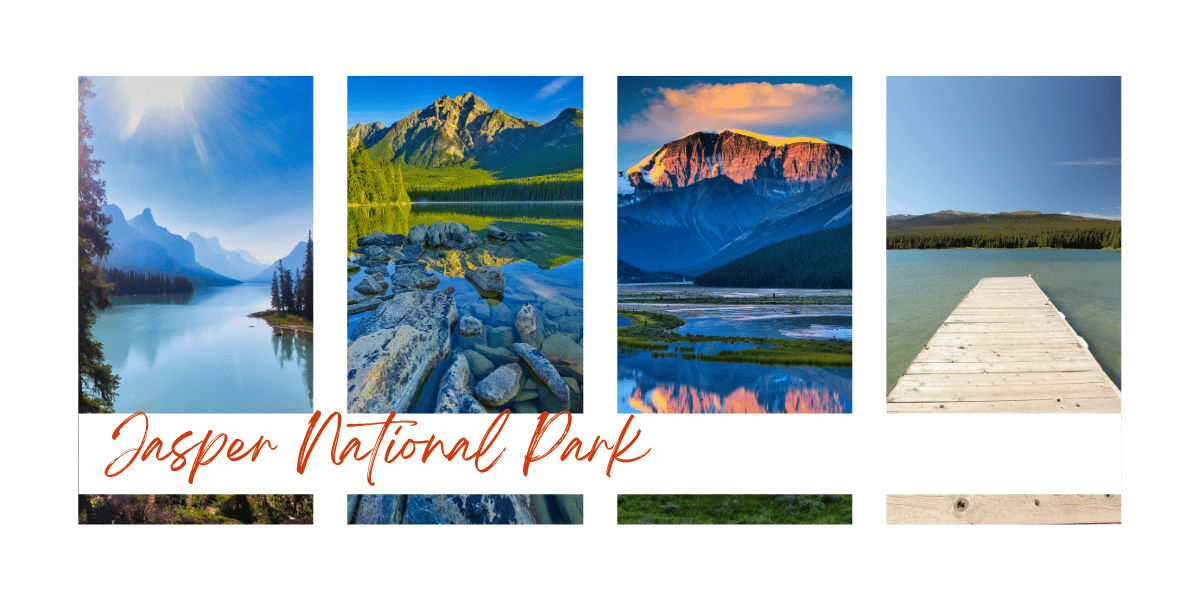
Jasper RV camping really is one of the best ways to experience the wildest, most untamed corner of the Canadian Rockies. If you’re planning your first trip or just want a deeper understanding of campground options, booking strategies, and driving logistics, this guide should cover everything you need to set up a successful RV trip in Jasper National Park.
Unlike most campground lists you’ll stumble across online, this guide comes out of of real Alberta-based family RV travel—mistakes, lessons, and all the practical tradeoffs that only happen when you actually tow a trailer through these mountains.
Maybe you’re a family with young kids. Or maybe you’re a first-time RVer, a bit nervous about mountain roads. Even if you’re an experienced traveller hunting for new routes, the info here will save you hours of research.
Our guide zooms in on the best strategy for camping in Jasper National Park. We compare options, break down booking timelines, and share driving tips for anyone chasing the ultimate Jasper RV camping experience.
We write everything from a local perspective because, well, we live in Alberta and travel these roads each year. For more Canadian Rockies RV planning resources, Along The Rockies has a growing library of top destinations campground guides and trip-planning tools worth checking out.
Key Takeaways
- Whistlers and Wapiti are Jasper’s two main RV campgrounds. Which one you pick really depends on whether you need full hookups or prefer a spot right by the river.
- Booking opens on the Parks Canada portal in late January or early February. Full-hookup sites? They disappear within minutes.
- The Icefields Parkway is stunning, but you’ll need to prepare carefully if you’re driving an RV—fuel up, plan for steep grades, and don’t expect any cell service out there.
- Comparing the various parks and campgrounds is essential. Site amenities like hookups and size limits can vary a lot between locations.
Why We Love RVing in Jasper (And Why It’s Different from Banff)
Jasper National Park is the largest national park in the Canadian Rockies. It covers more than 11,000 square kilometres of wild mountain terrain.
Compared to Banff National Park, Jasper just feels like a completely different world. The pace slows down, the crowds thin out, and the landscape stays raw and unpolished—in the best possible way.
As an Alberta-based RV family, we always end up drawn to Jasper because the campgrounds are bigger and more spread out. Sites actually give you breathing room between neighbours, which matters when you’re setting up awnings or running slides out.
Most sites have sturdy picnic tables, perfect for outdoor meals. The town of Jasper itself is smaller and way less commercialized than Banff, so grocery runs and restaurant stops feel more relaxed. It’s a fantastic base for all types of Jasper RV camping.
Wildlife encounters in Jasper? They’re not a maybe—they’re basically guaranteed. Elk graze right through the campgrounds at Whistlers and Wapiti. Bears wander through, especially in spring and fall.
This is part of what makes RVing in Jasper so memorable. But it also means food storage rules and bear awareness aren’t negotiable.
If you want a polished, resort-style mountain experience, Banff delivers that. If you’re after big skies, quiet mornings, and a campground where you wake up to bugling elk, Jasper RV camping is tough to beat.
The Best Time of Year to RV in Jasper
Timing shapes every part of a Jasper RV trip. Summer brings warmth and long days.
Fall delivers wildlife spectacles and quiet campgrounds. Winter is really only for the truly prepared.
Each season has clear advantages and real tradeoffs. You’ll want to weigh them carefully.
Summer Peak Season (Late June to August)
Summer is when Jasper really comes alive. Lakes finally thaw, trails open up, and daylight stretches past 10 p.m.
Water-based activities like canoeing on Maligne Lake and swimming at Lake Edith become possible. Families with school-aged kids are often locked into this window, and honestly, it’s a great time to visit.
The tradeoffs? They’re real. Campsite demand gets intense, especially for full-hookup spots at Whistlers.
Mosquitoes in late June and early July can be brutal near rivers and lakes. Expect busy trails, packed parking lots at popular attractions, and the need to book campsites the second reservations open.
Fall Camping in Jasper (September to October)
Fall, in our experience, is the best season for RV camping in Jasper. The bugs are gone, and campground availability improves dramatically.
The larch trees turn gold along the Icefields Parkway. The elk rut fills the valleys with unforgettable bugling sounds.
Nights drop well below freezing by late September, so a quality furnace and insulated water lines are essential. Wapiti Campground stays open all year, making it a strong base for fall trips.
The shoulder season atmosphere is worth the cold. You just have to be ready for it.
Winter RV Camping in Jasper
As mentioned above, Wapiti Campground operates year-round with 40 electrical sites available on a first-come, first-served basis during the winter season. It sits close to Marmot Basin ski resort and popular cross-country ski trails.
Winter RVing in Jasper demands serious cold-weather prep. Temperatures regularly dip to -25°C or colder.
You need a true four-season rig, heated water hoses, tank heaters, and a reliable propane supply. This isn’t a casual outing, but for those who are set up for it, winter Jasper is extraordinarily quiet and beautiful.
Complete Overview of Jasper RV Campgrounds
Jasper has some excellent front-country campgrounds, but you really need to understand the differences between them if you’re RVing. The gap between a campground with full hookups and paved pull-throughs versus one with tight gravel loops and no services is huge when you’re towing a larger trailer.
Here’s what you should know about each option. Don’t just guess—these details can make or break your trip.
Whistlers Campground (The Mega-Campground)
Whistlers is the flagship campground in Jasper National Park. With 781 sites, it’s the largest campground in the park and actually one of the biggest in the Canadian Rockies.
The campground recently underwent a full renovation. Now it has brand new washhouses, wide paved roads, and modern infrastructure built for big rigs.
Full-service sites come with water, sewer, and electrical hookups (15, 30, and 50 amp service). Showers are included in the camping fee.
Whistlers opens from early May to mid-October and you can reserve through Parks Canada. For families with large motorhomes or travel trailers, this is easily the most comfortable option in Jasper.
The trail network connecting the campground to nearby day hikes is a nice bonus. It’s worth mentioning that the 2024 Jasper wildfire changed the landscape quite a bit.
New growth is coming up, but the campground looks different from older photos you might find online. The facilities themselves are in excellent shape.
Most sites have picnic tables and level tent pads for those travelling with mixed groups. If you want a roof over your head without bringing a rig, the Whistlers oTENTiks offer a surprisingly comfortable glamping experience right inside the park.
Wapiti Campground (The Riverside Option)
Wapiti sits right on the Athabasca River, just minutes from the Jasper townsite. It’s smaller than Whistlers, with 150 summer sites, but it has a character all its own.
The key difference: Wapiti only offers electrical hookups. There’s no water or sewer at individual sites.
If you’re staying more than a couple nights, you’ll probably need a portable black tank tote to haul waste to the dump station. The campground has 15, 30, and 50 amp electrical service.
Wapiti usually has more tree cover and shade than Whistlers, though the 2024 wildfire affected the canopy in some areas. Parks Canada says Wapiti will operate at reduced capacity for the 2026 summer season.
The riverside setting is beautiful. Elk sightings here? Pretty much a daily thing.
Wapiti also doubles as the winter camping option, staying open year-round. That’s a big plus if you’re coming in the off-season.
Wabasso Campground (For Smaller Rigs)
Wabasso is further south along the Icefields Parkway. As of 2026, Wabasso is closed until further notice due to the 2024 wildfire.
Definitely check Parks Canada for updates before making any plans around this campground. When it’s open, Wabasso Campground is an unserviced facility—no hookups, tighter road loops.
It suits campervans and travel trailers under 27 feet best. Larger rigs really shouldn’t try it.
The appeal of Wabasso has always been its quieter, more secluded vibe compared to the big campgrounds closer to town. It’s a bit of a hidden gem (when it’s open, anyway).
Snaring River and Wilcox Creek Campground (Dry Camping)
If you have a self-contained RV, Snaring River Campground and Wilcox Creek Campground offer rustic, first-come, first-served camping. No reservations needed.
Snaring River Campground sits north of the Jasper townsite with 62 primitive sites. It’s best for rigs under 27 feet and has fire pits, but no hookups or showers.
You’ll find basic pit toilets here rather than modern washrooms. Wilcox Campground is near the Columbia Icefield at the south end of the park.
People often confuse it with the Columbia Icefields Campground, but that one’s for tents only. Wilcox is a popular overnight stop for travellers driving the Icefields Parkway.
It has 46 primitive sites and is also limited to rigs under 27 feet. Both locations are excellent overflow options when the major Jasper National Park RV parks are full.
They offer a more rugged experience, but you really need to be fully self-contained with water, waste capacity, and power. Don’t show up unprepared.
How to Book Your Jasper RV Campsite
Booking strategy matters more than most people realize. The difference between landing a full-hookup pull-through at Whistlers and scrambling for a backup plan often comes down to knowing when and how to book.
The Parks Canada Reservation System
You’ll book all reservable Jasper campgrounds through the Parks Canada reservation portal. Reservation dates usually open in late January or early February, but you’ll want to check the Parks Canada website for the exact date each year.
When the booking window opens, demand is immediate and intense. The most popular sites vanish within minutes.
You should:
- Create your Parks Canada account well before the booking date.
- Know exactly which campground, loop, and site type you want.
- Have backup dates ready, just in case.
- Be logged in and ready to go the moment bookings go live.
Camping fees vary by site type and service level. Parks Canada posts a full list of camping fees on their website.
Before you finalize your booking, you’ll have to agree to Parks Canada’s terms of use and their privacy policy about your personal info. It’s a quick step, but don’t forget it.
Tips for Booking Whistlers vs. Wapiti
Full-hookup sites at Whistlers always sell out first. If you need water and sewer at your site and you’re rolling with a bigger rig, these are the sites to target on booking day.
If you miss out on Whistlers full-service sites, grabbing an electrical site at Wapiti is a solid backup plan. You lose the convenience of on-site water and sewer, but you get a riverside location and a campground that usually feels a bit more relaxed.
Just plan for dump station runs and bring extra fresh water capacity. For families who can be flexible on dates, mid-week arrivals and shoulder season trips (early June, September) are much easier to book than the classic Friday-to-Sunday stays in July and August.
Navigating Jasper with an RV
Getting to Jasper with an RV? It takes a bit of planning, honestly. The roads are absolutely beautiful, but mountain driving with a trailer is a whole different story compared to cruising those flat prairie highways.
Driving the Icefields Parkway (Banff to Jasper)
The Icefields Parkway (Highway 93 North) stretches 230 kilometres between Lake Louise and Jasper. It’s honestly one of North America’s most jaw-dropping drives, but for RV drivers, it can be pretty demanding.
Key things to keep in mind:
- Steep grades: Sunwapta Pass climbs up to 2,035 metres. The grades leading to the pass are no joke, and coming down on the Jasper side really tests your braking skills if you’re hauling a heavy trailer.
- No cell service: Once you leave Lake Louise, you basically lose cell coverage until you’re almost in Jasper. Download those offline maps before you hit the road, or you’ll regret it.
- Fuel up: Saskatchewan River Crossing is your only fuel stop between Lake Louise and Jasper. It’s about halfway along. Don’t skip it if your tank’s even close to half full.
- Speed: The posted limit is 90 km/h, but honestly, towing a trailer feels a lot safer at 70 or 80 on those curves and grades.
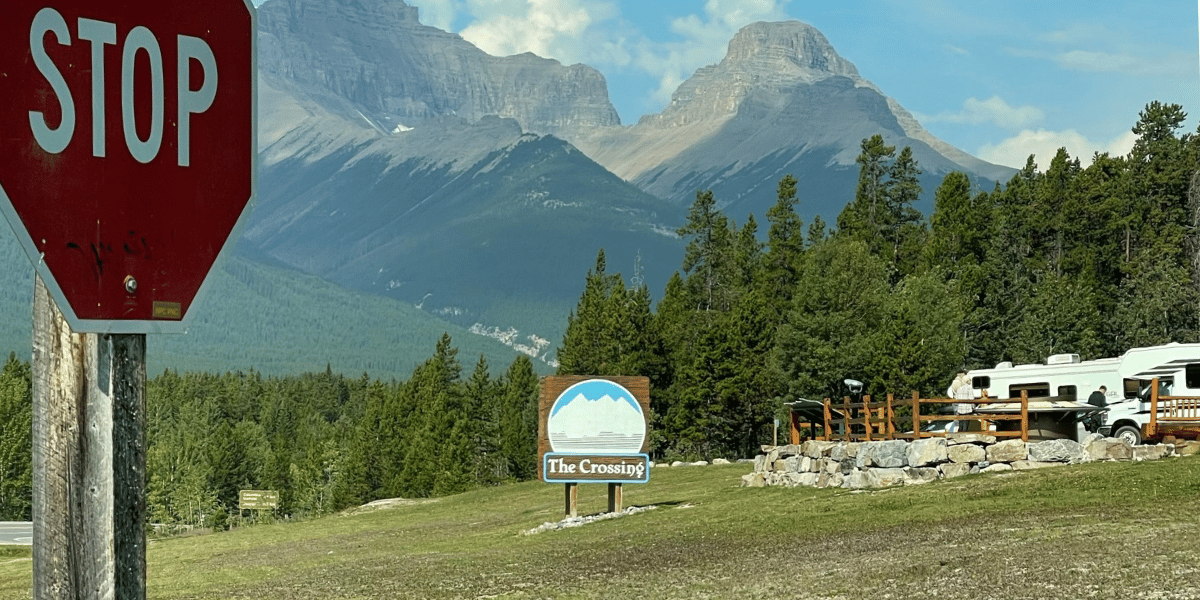
Give yourself at least four hours for the drive with an RV. If you want to stop at the Columbia Icefield, Sunwapta Falls, or Athabasca Falls, you’ll need even longer.
RV Parking in the Jasper Townsite
Parking a big RV in Banff can be genuinely stressful, but Jasper’s townsite makes it so much easier. They’ve got a dedicated, roomy RV lot right at the edge of town—it’s well-signed and super easy to find.
From there, you can walk everywhere. Restaurants, shops, groceries, visitor services—they’re all a short stroll away. Day trips into town are simple, and you don’t have to unhitch your tow vehicle just to grab a bite or pick up supplies. That’s honestly a relief.
Where to Camp if Jasper National Park Is Full
It happens. Jasper campgrounds fill up fast, especially on peak summer weekends. Having a backup plan isn’t bad planning—it’s just smart.
Jasper has a few smaller, first-come, first-served campgrounds along the Icefields Parkway. You might want to try Honeymoon Lake, Kerkeslin, Jonas Creek, or Pocahontas Campground if the main spots are booked.
Mount Kerkeslin Campground is another scenic option, especially if you want a quieter stay. Most of these are primitive sites best for rigs under 27 feet. If you don’t mind a longer drive, Miette Campground near the hot springs is also available.
Hinton (East of the Park Gates)
Hinton is honestly the best backup town for RV parks near Jasper. It sits just east of the park boundary, and you can drive from the east gates to town in about 15 minutes. When Jasper National Park is fully booked, this is a solid alternative.
Hinton offers several private RV parks with full hookups, pull-throughs, laundry, and Wi-Fi. You get full grocery stores, hardware, and fuel too. For families who can’t snag a spot in the park, staying in Hinton and day-tripping into Jasper works surprisingly well. The campgrounds near Jasper National Park include quite a few Hinton-area choices worth checking out.
Mount Robson Provincial Park (West of the Gates)
If you’re up for crossing into British Columbia, Mount Robson Provincial Park lies about an hour west of Jasper’s townsite. The campgrounds there are stunning, with Mount Robson—the highest peak in the Canadian Rockies—as your backdrop.
Mount Robson has RV-friendly campgrounds with basic services. Usually, it’s easier to find a spot here than in Jasper, even at the last minute. It’s a great pick for your first or last night in Jasper, especially if you’re heading to or from BC.
Family-Friendly RV Itinerary Ideas in Jasper
Jasper packs in activities for all ages, from toddlers to teens. The real trick is building an itinerary that mixes driving, hiking, and downtime so nobody gets burned out (kids or adults, honestly).
A 3-Day Family Itinerary
Day 1: Settle In and Ride the SkyTram
Set up camp at Whistlers Campground. Once you’re settled, drive over to the Jasper SkyTram—it’s only a few minutes away. The gondola ride gives you incredible Athabasca Valley views, and the boardwalk trail at the top is short enough for most ages to handle.
Day 2: Maligne Lake and Canyon
Head out to Maligne Lake for a boat cruise to Spirit Island, which is honestly one of the most photographed places in the Rockies. On your way back, stop at Maligne Canyon for the short, paved canyon walk. Both are family-friendly and don’t require any hardcore hiking.
Day 3: Waterfalls and Glaciers
Hit Athabasca Falls in the morning—the viewing platforms are paved and stroller-friendly. Then drive south to the Path of the Glacier trail at Mount Edith Cavell. This interpretive trail is easy and gets you right up close to Angel Glacier.
Important note: You can’t take RVs or trailers over 25 feet up the Mount Edith Cavell road. Unhitch your trailer at the campground and drive up with just your tow vehicle. The road is narrow with sharp switchbacks—not meant for big rigs, trust me.
If you have extra days, maybe spend an afternoon at Sunwapta Falls or paddle around Pyramid Lake. Both are worth it if you’ve got the time.
Essential RV Packing List for Jasper
Packing for Jasper? You’ll need a few things you might not normally bring to a typical campground. The mountain weather, wildlife rules, and campground amenities all affect what you need.
Must-have items for Jasper RV camping:
- Bear spray: You need it everywhere in Jasper National Park. Carry it on you when you’re outside the RV—don’t bury it in a compartment. Make sure you know how to use it before you arrive.
- Portable black tank tote: If you’re staying at Wapiti (which only has electrical hookups), a tote is a lifesaver for hauling waste to the dump station. A good four-wheeler makes this job a lot less miserable.
- Mosquito repellent: Early summer (late June through mid-July) brings out relentless mosquitoes, especially near the Athabasca River. Bring repellent, and maybe a screened canopy for your site if you can swing it.
- Food storage cables or bear-resistant containers: You have to store all food, coolers, and scented items properly. Campgrounds offer food storage lockers, but having your own system just makes things easier.
- Extra fresh water capacity: It’s handy at Wapiti and totally essential at dry camping sites like Snaring River or Wilcox Creek.
- Warm layers and rain gear: Even in July, mornings can be near freezing, and afternoon rain is pretty common.
- Offline maps: Cell service is almost nonexistent in most of Jasper National Park. Don’t rely on your phone’s data.
If you want a more complete gear and inspection checklist, check out the Along The Rockies Ultimate RVing Checklist. It covers RV inspection, safety, and all the must-have accessories for mountain travel.
Frequently Asked Questions
Which campgrounds in Jasper National Park can accommodate RVs?
Whistlers Campground and Wapiti Campground are the two main spots for larger RVs—they’ve got wide roads and electrical or full-service hookups. Smaller campgrounds like Snaring River, Wilcox Creek, and Miette can handle motorhomes and trailers under 27 feet, but big rigs won’t fit.
How do I make RV camping reservations for Jasper-area campgrounds?
You make reservations through the Parks Canada reservation portal. Booking windows usually open in late January or early February. Smaller campgrounds like Snaring River and Wilcox Creek run on a first-come, first-served basis.
What RV services and hookups are available at Whistlers Campground?
Whistlers has full-service sites with water, sewer, and electrical hookups (15, 30, and 50 amp). There are also electrical-only and unserviced sites. The campground was recently renovated and now includes new washhouses with showers included in the camping fee.
What are the key differences between Wapiti Campground and Whistlers Campground for RV travellers?
Whistlers offers full hookups (water, sewer, electric) and has wider, paved roads. Wapiti gives you electrical hookups only—no water or sewer at individual sites—but it sits right on the Athabasca River and feels more sheltered and treed. Wapiti is also the only campground open year-round.
Where can I find an up-to-date campground map and site layout for Jasper-area RV camping?
Parks Canada posts the most current campground maps and site layouts on their official Jasper camping page. This is your best bet, especially since conditions have changed a lot since the 2024 wildfire.
What is Canada’s 10-year rule for RVs, and how could it affect travel plans?
Some private RV parks and campgrounds in Canada—especially around British Columbia and certain parts of Alberta—actually enforce a 10-year age limit on RVs. Basically, if your rig’s older than 10 years, they just won’t let you in.
On the flip side, Parks Canada campgrounds in Jasper don’t bother with this rule. So, national park campgrounds stay open to you, no matter how old your RV is.
But if you’re thinking about private parks in Hinton or anywhere outside the park, you’d better check their age policies before booking. It’s just not worth the surprise.