

RV family trips are more popular than ever, offering the promise of freedom, adventure, and quality time together. The appeal is obvious: travel at your own pace, enjoy home comforts on the road, and make lasting memories in nature.
However, many families discover that RV trips can be more stressful than expected. Behind those picture-perfect social media posts are stories of technical issues, cramped quarters leading to arguments, and stress from constant problem-solving. What starts as an exciting journey often ends with disappointment or family tension.
Why do some RV family trips succeed while others fail? Success comes down to proper preparation, realistic expectations, and focusing on what really matters—time together. You don’t need to be a seasoned traveler or have a luxury motorhome. The key is learning about common pitfalls and planning ahead to avoid them.
Well-prepared families anticipate challenges: they practice using their RV before big trips, plan reasonable routes and stops, and understand that not everything will go smoothly. When problems arise—from mechanical glitches to bad weather or even unexpected events—they adapt, turning setbacks into memorable experiences.
This guide will help you identify frequent mistakes families make on RV trips and provide practical tips for avoiding them. With the right mindset and preparation, you can turn your next RV adventure into a positive experience—even if things don’t go exactly as planned. Sometimes it’s those unexpected moments that create the best stories and bring your family closer together.
This Post Is All About RV Family Trips
Why Most RV Family Trips Fail
The dream of hitting the open road with your family in an RV often collides with harsh reality. You’ve probably seen those picture-perfect Instagram posts of families living their best lives in their motorhomes, but what you don’t see are the countless trips that end in frustration, arguments, and a vow to never try RV travel again. The gap between expectation and reality can be massive, and understanding why these trips fail is your first step toward avoiding the same mistakes.
1. Lack of Experience with RV Living
First-time RV owners face a steep learning curve that catches most families completely off guard. You can’t just hop into a 30-foot motorhome and expect to navigate it like your sedan. The sheer size and weight of these vehicles demand respect and practice. I’ve watched families pull into campgrounds, spend two hours trying to back into a spot, and end up so stressed that they couldn’t enjoy the rest of their evening.
The driving experience alone presents multiple challenges:
- Blind spots that are significantly larger than any car you’ve driven
- Turning radius that requires planning your route through parking lots and city streets
- Height clearance concerns that can lead to expensive damage if you forget about that low bridge
- Braking distance that’s dramatically longer than what you’re accustomed to
- Wind resistance that makes highway driving in storms genuinely nerve-wracking
Living in an RV introduces another layer of complexity. You’re managing systems you’ve never dealt with before. The water pump makes strange noises. The propane system seems intimidating. The electrical hookups look like a puzzle you’re not qualified to solve. When you’re unfamiliar with these basics, every small issue becomes a crisis that derails your trip.
The RV lifestyle challenges extend beyond just the technical aspects. You need to understand weight distribution, proper leveling, winterization procedures, and dump station protocols. These aren’t things you can figure out on the fly while your kids are asking when they can go swimming and your spouse is wondering why the air conditioning isn’t working.
Renting an RV for a weekend before committing to a major purchase or extended trip gives you invaluable hands-on experience. You’ll discover whether
Similar Post: How To Rent Out Your Travel Trailer/RV And Make Extra Money
2. Big Change from a House to an RV or Travel Trailer
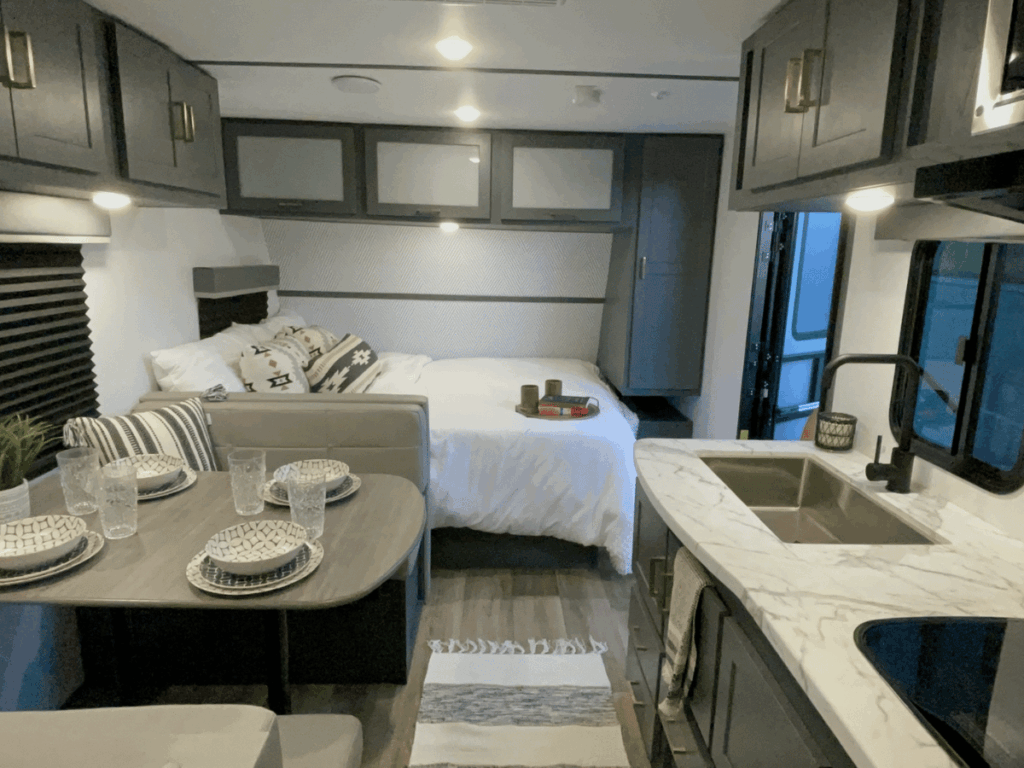
Switching from the comfort and space of a traditional home to the limited quarters of an RV or travel trailer can be a major adjustment, even for short-term recreational trips. It’s not just about packing bags for a weekend away—every trip involves rethinking routines, what you bring, and how your family interacts in much closer quarters.
The Packing and Preparation Challenge
Rather than emptying your home for good, recreational RV travel means carefully choosing which essentials you’ll need for each specific trip. Unlike a vacation rental or hotel, your RV or trailer has very limited storage. This makes every packing decision count—from clothes and shoes to food, cookware, games, and outdoor gear.
Common issues families run into include:
- Forgetting important items because there’s no “default” kitchen or closet
- Overpacking and running out of space—making the living area cramped before you even leave the driveway
- Stressful last-minute repacking when things don’t fit as planned
Unlike moving permanently into an RV, you’re not giving up your belongings forever—but you do have to think like a minimalist for every adventure.
Related post: 86 Best Travel Trailer Accessories For Easy Camping
Adjusting to Small Spaces
Even on short trips, sharing 200–400 square feet with your entire family is eye-opening. Everyone notices how different the experience is from spreading out at home:
- Getting kids dressed means coordinating who uses the bathroom or bedroom area first—there’s rarely enough room for everyone at once.
- Cooking meals turns into a tag-team effort; with tiny counters and few burners, only one person can work comfortably at a time.
- Storing groceries and supplies takes creativity—you’ll quickly learn what causes clutter and what keeps things tidy.
You don’t have weeks to gradually adapt like full-timers do. Instead, the adjustment happens immediately after you park at your campsite or stop for the night—and sometimes leads to frustration if expectations aren’t managed ahead of time.
Mindset Makes All the Difference
Treating recreational RV or trailer trips as an adventure rather than expecting all the comforts of home helps set everyone up for success. Talking with your family about what will be different—and preparing everyone to pitch in—can turn “sacrifices” into memorable moments. Remind kids (and adults) that part of the fun comes from doing things differently than usual—even if it means eating dinner outside on camp chairs or sharing bunk beds for a few nights.
By embracing the change in routine and space, even brief RV trips can become some of your family’s favorite adventures together.
3. Technical and Maintenance Problems on the Road
You’ve packed your family, loaded the RV, and started your trip excitedly. Then, at 9 PM in a quiet campground with no staff around, your water pump stops working. This happens to many first-time RV owners and turns what should be fun into a frustrating experience. For the first year, our heat would not kick on. It took me a lot of cuss words and some YouTube videos to figure out it was a very simple problem to fix.
Equipment problems are one of the main reasons RV trips go wrong. Your RV isn’t just a vehicle—it’s like a small home with many systems that need to work together. When you’re managing fresh water tanks, gray and black water systems, propane lines, electrical hookups, and slide-outs all at once, there’s a big chance something might fail.
The reality hits when you get to your campsite and can’t figure out how to connect to the power source. You might be confused about whether you need a 30-amp or 50-amp adapter. Knowing how your RV’s electrical system works is very important, especially when switching between generator and shore power. Or maybe your sewer hose isn’t long enough to reach the dump station. These setup issues aren’t just annoying—they can leave your family without basic needs like running water, electricity for heating or cooling, or bathroom use.
Common Water System Issues
Water system problems often affect RV families:
- Leaking faucets or connections that waste fresh water
- Pipes freezing during unexpected cold weather
- Water pump failures that stop running water
- Clogged filters that lower water pressure
- Dirty water tanks from not cleaning them properly
You should know how your RV’s plumbing works before problems happen. Learning where the water pump is, how to prepare pipes for winter, and how to fix simple issues can turn a small problem into an easy fix instead of ruining your trip.
Understanding Your Electrical System
Electrical system problems, as discussed in this detailed guide on RV electrical systems troubleshooting and maintenance, bring their own challenges. Your RV uses two types of power: 12-volt DC from batteries and 120-volt AC from shore power or generators. If you don’t understand this dual system, it can be hard to figure out why some appliances work and others don’t. A blown fuse, tripped breaker, or dead battery can shut down important systems.
Also, make sure you have a good surge protector to protect against power spikes that could damage your RV or even cause electrical fires. If your RV has an Automatic Transfer Switch (ATS), learn how it works—it helps switch between generator and shore power smoothly.
Follow basic electrical safety tips for RV owners: always turn off appliances before unplugging from shore power and regularly check your wiring for wear or damage.
4. Poor Trip Planning and Pacing
You’ve probably seen Instagram posts of families enjoying their RV trips, moving from one beautiful spot to another every few days. What you don’t see are the tired parents, cranky kids, and stress that come with keeping up that pace. Poor planning and pacing is a major reason many family RV trips don’t go well, and I’ve seen many first-time RV owners learn this the hard way.
The freedom of the open road can quickly become overwhelming if you start full-time RV living without enough preparation. I’ve met families who sold their homes, packed everything, and hit the road within weeks—only to feel stressed and ready to quit within the first month. The challenges weren’t impossible, but trying to handle everything at once without practice made it much harder.
The risks of jumping in too fast:
- You don’t get a chance to learn what your family really needs before committing
- It’s harder to learn when you have no home base to return to
- Mistakes can cost a lot without the safety of a regular home
- Constant problem-solving can lead to emotional burnout
- It’s tough to change plans once you’ve sold everything
Many planning mistakes come from underestimating how much time and effort RV living needs. It’s not just a vacation—you’re running a mobile home. Every time you move, you have to disconnect utilities, secure everything inside, drive, find your spot, level the RV, and set up again. This can take 2-4 hours even when things go well.
I learned about pacing the hard way on my first long RV trip. I planned a busy route with moves every 2-3 days across several states. By week two, my family was worn out. We spent more time packing, driving, and setting up than enjoying where we were. The kids were cranky from all the changes, and I was stressed trying to keep up with an unrealistic schedule.
Common pacing mistakes that ruin trips:
- Overpacking your schedule: Trying to do too much in too little time leads to burnout. Focus on a few key experiences and leave room for rest.
- Ignoring travel days: Don’t forget how tiring travel days are. Give yourself plenty of time for driving between places.
- Underestimating setup time: Setting up at each new spot takes longer than you think—plan for it.
- Not considering family needs: Every family is different. Think about your family’s energy levels and interests when planning.
- Skipping rest breaks: Always being on the move wears everyone down. Schedule regular downtime to relax and enjoy time together.
If you avoid these common mistakes and plan a balanced schedule that fits your family’s needs and goals, you’ll enjoy each stop more and reduce stress along the way.
5. Space Limits and Privacy Issues in an RV
Most RVs offer only 200-400 square feet of living space. Compared to the average American home, which is over 2,000 square feet, this is a big drop in personal space. This often surprises new RV owners—the close quarters mean you’re always near family members in a small area.
The Reality of Small Spaces
You’ll quickly see how tight the space is. That queen-sized bed from home won’t fit. Your teenager’s large wardrobe will need to shrink by about 75%. The board games, sports gear, and hobby supplies you brought will have to be narrowed down to just a few favorites.
It’s not just storage that’s limited:
- When four people share one tiny bathroom, timing becomes important.
- Kitchen counters fill up fast when cooking.
- Sleeping arrangements often include fold-out dinettes or convertible sofas.
- Personal items shift around because of vehicle movement.
Many families arrive with their RV packed full but spend the first night reorganizing because they can’t easily reach what they need. Learning to manage clutter in an RV takes time and catches most families off guard.
Privacy Is Hard to Find
Privacy in an RV is very limited. You can hear every conversation, phone call, and bathroom visit because walls are thin and the space is small. Personal space becomes more of an idea than a reality.
Common privacy problems include:
- Parents trying to work while kids play video games nearby.
- Teens trying to chat privately while siblings listen in.
- Couples wanting quiet time when kids are always close.
- Anyone needing peace after a long travel day.
RV living challenges your family’s usual boundaries since you can’t just close a bedroom door for alone time—the bedroom might also be the hallway someone must pass through to get to the bathroom.
These space and privacy issues can affect family relationships, so it’s important for families to adjust quickly and find creative ways to make RV life comfortable and enjoyable. For instance, incorporating some organizational strategies can help manage clutter effectively.
Tips for Traveling with a Dog in an RV
Potty Solutions for Dogs
- Plan regular potty breaks and identify dog-friendly stops along your route.
- Use portable dog potty pads or artificial grass mats for emergencies or bad weather days.
- Designate a specific potty routine so your dog knows when and where bathroom breaks happen.
Leash & Harness Training
- Make sure your dog is comfortable wearing a leash or harness before the trip.
- Choose a well-fitted harness that allows natural movement and prevents pulling or escape.
- Practice short walks in new environments to help your dog adjust to travel situations.
Maintain Familiar Routines
- Stick to regular feeding, walking, and play schedules similar to home routines.
- Bring familiar toys, bedding, and treats to help your dog feel secure.
- Consistent routines help reduce anxiety and keep your dog calm while traveling.
6. Weather and Environment Challenges Affecting Comfort on the Road
Nature doesn’t care about your RV plans. Many families end trips early because they didn’t expect how much weather can affect RV travel. Your RV isn’t a well-insulated house—it’s basically a metal box that feels every change in temperature.
Extreme Heat: A Hidden Trip Ruiner
In summer, your RV can heat up quickly. New RV owners often find their air conditioner can’t keep up when it’s over 95°F. You run the AC full blast, use up your power, and still feel hot at night. The roof soaks up heat all day and warms the inside even after sunset.
I’ve seen families stuck in hot desert campgrounds in July, miserable because they didn’t plan for how hard extreme heat makes RV life. The fridge works harder and might break down. Kids get cranky. Without good cooling, no one sleeps well, leaving everyone tired and unhappy.
The problem gets worse when you’re camping without hookups. Your batteries drain fast trying to run fans and cooling systems. You have to run your generator a lot, which is noisy, uses fuel, and might break campground quiet rules.
Winter’s Tough Challenges
Cold weather brings its own problems. When it drops below freezing, your RV’s plumbing can freeze and burst pipes, causing expensive damage and no running water.
Heating your RV in winter uses lots of propane, so you’ll refill tanks more often than expected, adding extra costs. The furnace runs nonstop, making the air dry and irritating your sinuses and throat. Moisture builds up on windows and walls, which can cause mold if not handled right.
Many families don’t expect frozen water hookups at campgrounds in winter. Without thawing them first, you can’t shower, wash dishes, or use the bathroom easily—this can disrupt your whole day’s plans.
7. Handling Family Relationships When Living Close Together During Travel
You can fix technical and maintenance problems on the road, deal with weather and comfort challenges, and manage limited space and privacy, but if you can’t handle family relationships in tight spaces, your RV trip won’t go well. I’ve seen many families arrive at campgrounds with so much tension you could feel it—and I’ve been that family too.
The challenges of RV living from being close all the time are very different from living in a regular home. When you’re going through the difficult change from a regular home to an RV, you’re not just dealing with less space—you’re changing how your family interacts. Every habit and personality trait feels bigger when there’s no place to get away.
The Importance of Open Communication
Good communication among family members isn’t optional—it’s necessary. You need to make room for honest talks about needs, limits, and expectations. This means:
- Daily check-ins where everyone shares how they feel and what they need
- Family meetings before the trip to talk about worries and set rules
- Agreed ways to solve conflicts before problems start
- Regular “temperature checks” to notice small frustrations early
The families who do well on the road treat communication like regular maintenance. They don’t wait for problems or bad feelings; they deal with issues early before they grow.
Lessons Learned from Our First Long Trip
I learned this the hard way on our first long trip. My teenage daughter needed alone time to relax, my son wanted to be around people all the time, and my wife and I had very different ideas about relaxing. We hadn’t set any rules, and by day three, everyone was cranky. Our lack of experience with RV living meant we didn’t expect how different family life would be in 200 square feet instead of 2,000.
How To Really Enjoy Your Next Family RV Trip
You know the common problems that can ruin most family RV trips. Now, let’s focus on what actually works—the tips that turn stressful trips into fun memories your family will love.
Start with Practice RV Trips to Gain Confidence
The biggest mistake families make is treating their first big RV trip as a learning experience. You don’t want to find out your water pump is broken when you’re hours away from help with tired kids in the back.
Practice trips are a safe way to learn. Try a weekend trip to a campground within an hour of home. This way, you can go back quickly if something goes wrong but still get real experience living in an RV.
On these short trips, you’ll face many of the same challenges as longer ones:
- Setting up and taking down camp
- Driving and parking in tight spots
- Handling fresh water and waste tanks
- Using your RV’s appliances and systems
- Cooking in a small kitchen
- Sleeping in unfamiliar beds
- Managing limited storage space
The difference is, when you deal with these challenges close to home, it’s less stressful. You can fix problems without worrying about sticking to a strict schedule or upsetting kids excited about specific destinations.
Spot Your Problem Areas Before They Ruin Your Trip
Practice RV trips help you find your family’s specific challenges. Maybe your spouse feels nervous backing into campsites, your teens need constant internet, or your toddler won’t sleep in the RV bunk beds.
These aren’t failures—they’re helpful lessons. Each practice trip lets you fix issues in a low-pressure setting. You might discover you need:
- More backing-up practice in an empty parking lot
- A mobile hotspot or signal booster for better internet
- Blackout curtains or a white noise machine to improve sleep
- Better ways to organize clothes and gear
I’ve seen families skip practice trips and regret it. One family planned a month-long cross-country trip without ever using their RV first. They quickly found out their youngest couldn’t handle long car rides and would have frequent meltdowns when stuck in her seatbelt for hours.
Now they face tough choices: either shorten their trip or find ways to keep their daughter entertained during travel days, which isn’t easy.
Conclusion
The key to Why Most RV Family Trips Fail—And How to Actually Enjoy Yours is simple: being prepared and flexible turns possible disasters into great memories.
You’ve seen common problems like lack of experience, big changes, technical issues, poor planning, tight spaces, bad weather, and family stress. These challenges aren’t impossible to overcome. They’re just part of learning what works for your family and what doesn’t.
The difference between a failed RV trip and successful family trips isn’t luck. It’s starting small, learning as you go, and adjusting your plans. When your first practice trip shows your water pump isn’t working, that’s not failure—it’s important info for future trips. When your kids complain about cramped space on a weekend getaway, you learn what needs fixing before a longer trip.
Every challenge helps you get better. Every mistake teaches you more about your RV, your family, and yourself. Families who enjoy RV life aren’t those without problems—they’re the ones who expect challenges, prepare for them, and see solving problems as part of the fun instead of giving up.
You don’t need to be an expert mechanic or traveler to enjoy RV life with your family. You just need patience, flexibility, and a willingness to learn along the way. Start with short practice trips. Build confidence step by step. Talk openly with your family about what works and what doesn’t. Celebrate small wins—hooking up at your first campsite, making a tricky turn safely, or finding the perfect spot to watch the sunset together.
The road will have bumps. Your RV might break down at bad times. Your kids will argue in the backseat. You’ll take wrong turns and face bad weather. These moments don’t ruin your trip—how you handle them does.
Accept that learning takes time. Allow yourself to make mistakes. And remember why you chose this adventure: to spend quality time with your family and create unforgettable memories together.
If you’re considering a more permanent shift into the RV lifestyle like many families are doing nowadays after selling their house, these insights will serve you well on that journey too!
FAQs (Frequently Asked Questions)
Why do most RV family trips fail?
Most RV family trips fail because people aren’t used to living in an RV, find it hard to adjust from a regular home, face technical problems on the road, don’t plan the trip well, struggle with limited space and privacy, deal with bad weather, and have trouble managing family life in close quarters.
How can first-time RV owners prepare for the transition to RV living?
New RV owners should practice driving and living in an RV before long trips. Renting an RV for short periods or doing trial runs helps them learn how the vehicle works and get used to the changes needed for RV travel.
What are common technical issues faced during RV trips and how can they be managed?
Common issues include problems with water, power, or sewer hookups, equipment breakdowns, vehicle troubles, and setup challenges. Knowing basic information about your RV’s systems and carrying important tools can help you handle these problems while on the road.
Why is proper planning and pacing important for a successful RV family trip?
Good planning makes sure your schedule is realistic and includes rest days to avoid getting too tired. Taking the trip at a comfortable pace helps families adjust to RV life slowly and enjoy their time without feeling stressed.
What problems do limited space and privacy cause during RV trips?
Having little space in an RV can make it hard to have privacy and can cause stress as families get used to having fewer belongings. Being flexible, adaptable, and creating routines that respect everyone’s needs helps handle these problems well.
How can families get along in tight spaces during an RV trip?
To manage family life in close quarters, it’s important to communicate clearly, set rules about shared spaces, find time or spots for alone time when possible, and stay flexible with routines. Knowing how living closely affects feelings helps families stay peaceful while traveling.