
The Ultimate Guide to RV Camping on the Icefields Parkway
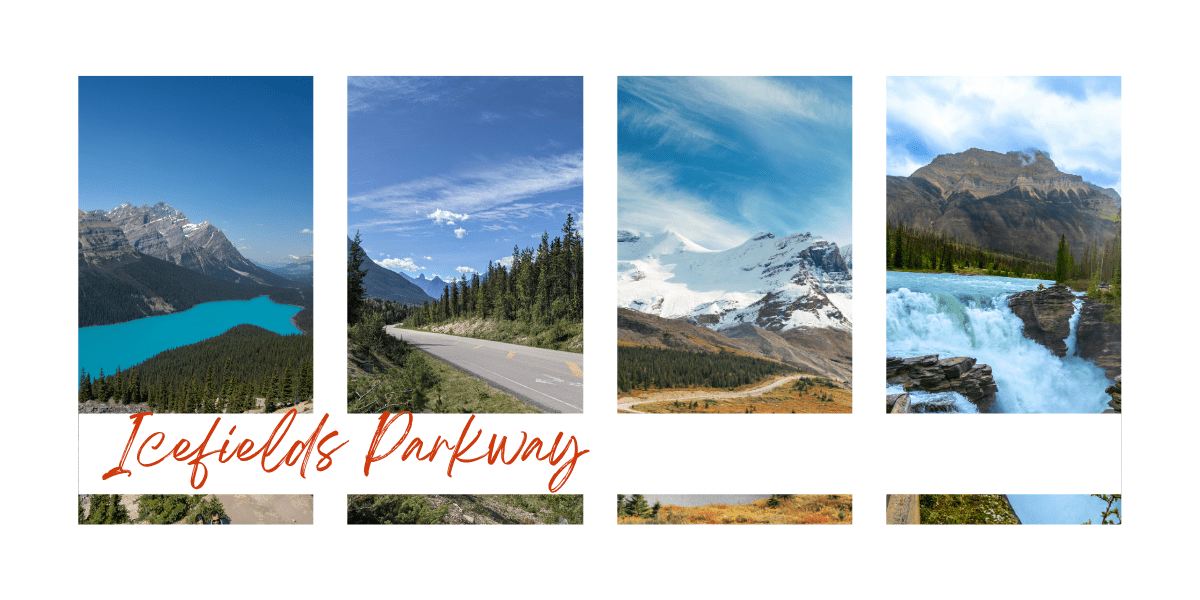
RV camping on the Icefields Parkway is honestly one of the most rewarding experiences you can have in the Canadian Rockies. But, wow, it demands more preparation than almost any other route in western Canada.
This 232-kilometre stretch of Highway 93 North connects Lake Louise in Banff National Park to Jasper. Along the way, you’ll pass massive glaciers, turquoise lakes, and scenery that’s just jaw-dropping—with almost no services to bail you out if you forget something.
Folks call the route from Lake Louise to Jasper the crown jewel of the Canadian Rockies, and I get why. If you’re planning to camp along it in an RV, you really need to know what you’re getting into before you turn the key.
Securing a Parks Canada pass is your first step toward an unforgettable journey. Don’t skip that, trust me.
This guide is for RV travellers, families, and first-timers who want clear, practical advice for camping this route. Whether you tow a travel trailer or drive a motorhome, we cover Icefields Parkway campgrounds, the road hazards that catch people off guard, and booking strategies.
I’ve included a packing list tailored to Icefields Parkway camping and off-grid mountain adventures. That’s something I wish I’d had my first trip.
What makes this different from other guides? It comes from years of driving this highway with kids, dealing with frozen mornings in July, watching the fuel gauge drop with no gas station in sight, and learning the hard way that showing up at 5:00 PM means you’ll be sleeping in a parking lot. Every tip here comes from real trips and, honestly, real mistakes.
If you want more family-focused route planning for the Canadian Rockies, Along The Rockies is a good place to start exploring. There’s no shortage of stories there.
Key Takeaways
- Every campground on the Icefields Parkway is unserviced. That means no power, water, or sewer hookups, so your RV must be fully self-contained.
- There’s only one gas station on the entire 232 km route. Cell service? Pretty much nonexistent, so pre-trip preparation is absolutely essential.
- Most campsites are first-come, first-served. Arriving by late morning is really the only reliable way to snag a spot in peak season.
Why the Icefields Parkway Is the Ultimate RV Road Trip
The Icefields Parkway—Highway 93 North—runs 232 kilometres between Lake Louise and Jasper, right through the heart of the Canadian Rockies. You’ll travel through both Banff National Park and Jasper National Park, winding beneath some of the tallest peaks and skirting ancient glaciers that spill down from the Columbia Icefield.
The mountain scenery here? It’s just not like anything else in North America. As an Alberta-based family, this is hands-down our favourite drive in the Rockies. It’s also the one we prep for most carefully.
This isn’t a casual scenic drive with towns every 30 minutes. There are no major communities between Lake Louise and Jasper. Cell service drops to zero once you leave either end.
The road climbs over Sunwapta Pass at over 2,000 metres of elevation. Weather can swing from sunshine to snow in just a few hours—even in midsummer.
The mountain views are truly something else. You’ll pass glacial-fed rivers, towering limestone walls, and wildlife corridors where black bears, grizzlies, elk, bighorn sheep, moose, and mountain goats wander across the highway. It’s a prime spot for wildlife viewing in the park system.
According to the Banff Blog, plenty of travellers call it one of the most scenic drives in the world. That reputation? Absolutely earned, in my opinion.
But the Parkway really rewards preparation, not spontaneity. The mix of elevation, isolation, and limited infrastructure means your RV, your supplies, and your plan all need to be dialled in before you even start.
The Best RV Campgrounds on the Icefields Parkway
Every campground along the Parkway is rustic—no electrical hookups, no water connections, and no sewer service at any site. You’re dry camping the whole way.
A few campgrounds have pit or dry toilets, fire rings, and bear lockers, but that’s about it for amenities. Your RV really needs to be fully self-contained.
Many folks start their trip at Lake Louise Campground or Two Jack Lakeside Campground before heading onto the Parkway. A visit to Moraine Lake is also a popular way to kick things off before heading north.
Wilcox Creek Campground (Near the Columbia Icefield)
Wilcox Creek is probably the most well-known RV campground on the Icefields Parkway. Most people just call this area Wilcox Campground when they’re searching for spots near the icefields.
It sits right across from the Columbia Icefield, and you can actually see the Athabasca Glacier from some of the campsites. The campground even has a sani-dump station, which feels like a rare luxury out here.
This place works best for motorhomes and trailers under 27 feet. Larger rigs can have a tough time manoeuvring in the tighter sites.
As folks mention in a Tripadvisor discussion on Parkway RV camping, many campgrounds along the Parkway enforce length limits of 24 to 27 feet.
The cold catches a lot of people off guard. At this elevation, nighttime temperatures can drop near freezing even in July. I’ve woken up to frost on the windshield in the middle of summer here. Pack accordingly—you’ll thank yourself later.
Wilcox Creek is first-come, first-served, and fills up early during peak season. It’s one of the most popular Columbia Icefield campgrounds for those wanting to stay near the glaciers.
The trailhead for Wilcox Pass is just across the road. It’s a spectacular hike with views that’ll stick with you for ages.
Waterfowl Lakes Campground
Waterfowl Lakes sits about 57 kilometres north of Lake Louise, so it’s a nice option if you’re starting your Parkway trip from the south end. The campground is nestled between two stunning turquoise lakes, with glacier-backed mountain views in every direction.
It’s got flush toilets and a hand pump for water, which puts it a step above a lot of other Parkway campgrounds in terms of facilities. You’ll also find fire pits and picnic tables at each site.
The catch? Its popularity. Waterfowl Lakes is first-come, first-served, and according to IceWalks, you really need to arrive before noon to snag a site. By early afternoon, it’s usually full.
The scenery here is hard to match, so the demand makes sense. Further south, Mosquito Creek Campground offers a more intimate setting among the trees. It’s one of the more rustic Icefields Parkway campgrounds, giving smaller rigs a true wilderness feel.
Rampart Creek Campground & Silverhorn Creek Campground
Rampart Creek Campground and Silverhorn Creek Campground work as solid alternatives when the more popular spots are full. Both have stunning views and easy access to the highway.
Rampart Creek Campground sits about 90 kilometres north of Lake Louise and offers a secluded, high-elevation experience. You’ll find pit toilets, fire pits, and bear lockers here. This site runs on a reservation system through Parks Canada.
Silverhorn Creek Campground is just south of Waterfowl Lakes. It’s basically a big gravel lot, which makes it one of the easiest campgrounds for bigger rigs to pull into and set up. Silverhorn also runs on a reservation basis.
Mount Kerkeslin Campground
As you get closer to Jasper, Mount Kerkeslin Campground gives you a great base for exploring the northern section of the route. It’s close to the Athabasca River and offers easy access to nearby trails.
Like a lot of other spots, it’s unserviced and runs on a first-come, first-served basis. It’s often less crowded than the sites further south, making it a bit of a hidden gem for RV travellers.
Both campgrounds have minimal amenities, so plan for full dry camping. It’s just part of the adventure out here.
Crucial Road Restrictions and RV Safety on the Parkway
This section matters more than any campground review, honestly. The Icefields Parkway is a wilderness highway with real hazards that can turn dangerous fast if you’re not ready.
Highway 93 North throws steep grades at you, skips guardrails in many stretches, and wildlife can be on the road at any time. If you’re driving an RV here, you need to know the risks—there’s no way around it.
The Sunwapta Pass Grade
Sunwapta Pass stands as the highest point on the Icefields Parkway, at roughly 2,035 metres above sea level near the Columbia Icefield Centre. The approach from either direction means a long, steep grade that really strains your brakes, especially if you’re towing.
Before you drive this route, make sure your RV brakes are in excellent condition. If you’re towing a trailer, double-check that your trailer brakes and brake controller work properly.
When descending, shift into a lower gear and let engine braking do most of the work. Riding your brakes down a mountain pass is a quick way to overheat them and lose stopping power—nobody wants that.
The grade isn’t technical, but it just keeps coming. Combine that with the elevation and the chance of wet or even icy conditions in summer, and you’ve got to respect it.
Fuel and Cell Service
You’ll only find one gas station on the 232-kilometre route: the Crossing Resort at Saskatchewan Crossing, sitting roughly at the midpoint. The fuel there costs a lot more than what you pay in town.
If you need a break, the Crossing Resort also has a restaurant and general store. Some travellers report prices 30 to 50 percent higher than in Lake Louise or Jasper, which is a bit of a sting.
Fill your tank completely in Lake Louise or Jasper before you start the drive. Don’t assume you’ll be able to top up along the way.
If you’re towing and burning more fuel than expected because of the grades and elevation, running low out here isn’t just a hassle. It’s a real problem with no quick fix.
As a comprehensive Parkway guide by Camping Ground Info points out, stocking up on essentials in Jasper, Banff, or Lake Louise is critical. Services between these endpoints are just extremely limited.
Cell service is basically nonexistent on the Parkway. No coverage from any major Canadian carrier for almost the whole route. Download offline maps before you leave. Write down campground locations, distances, and emergency contacts on paper—seriously, old school is best here.
If something goes wrong, you won’t be able to call for help until you reach one of the endpoints. That’s a reality you don’t want to learn the hard way.
How to Book Camping on the Icefields Parkway
Planning your overnight stops on the Parkway isn’t like booking a KOA online weeks in advance. The system here works differently, and understanding it before you go will save you a lot of stress.
First-Come, First-Served Reality
Almost all campgrounds on the Icefields Parkway work on a first-come, first-served basis. You can’t reserve a site online for Wilcox Creek, Waterfowl Lakes, Mosquito Creek, or most other Parkway campgrounds.
A few, like Rampart Creek and Silverhorn Creek, let you make reservations through the Parks Canada reservation system, but honestly, that’s pretty rare.
This setup means your camping spot isn’t guaranteed—no matter how early you start planning. In July and August, competition for sites really heats up.
Strategies for Snagging a Site
If you want a site, timing is everything. Try to pull into your target campground by 11:00 AM, or noon at the latest.
That’s when campers start packing up and checking out, and sites flip over fast.
If you show up at 3:00 PM or later during peak season, brace yourself—most campgrounds will be full. By 5:00 PM, you’ll almost certainly be out of luck.
Here are a few extra tips that have worked for us (sometimes we still get skunked, but hey, that’s camping):
- Have a backup plan. Pick two or three campgrounds you’d actually enjoy and check them in order as you drive.
- Camp midweek. Tuesday through Thursday nights are way less competitive than weekends.
- Travel early in the season. Late June usually has more availability, but by mid-July, things get crowded fast.
- Check the overflow options. The Columbia Icefield area has offered overflow RV parking in the past, though rules and availability change year to year.
Don’t pin all your hopes on just one campground. Flexibility is honestly your best friend on this route.
Family-Friendly RV Stops Along the Drive
The Icefields Parkway is loaded with stops that work great for families, no matter how old your kids are. The best part? Most of the big attractions have parking lots big enough for RVs, so you don’t have to unhitch or leave your rig behind to explore.
The Columbia Icefield Centre
The Columbia Icefield Discovery Centre has a massive, RV-friendly parking lot. Nearby, the Icefields Centre RV parking area gives larger vehicles a dedicated space while you wander around the glaciers.
From the Centre, you can book the Ice Explorer snowcoach tour, which drives you right out onto the Athabasca Glacier. It’s a pretty wild experience for both kids and adults, honestly.
The Glacier Skywalk is also right here, and it’s got a glass-floored observation platform above the Sunwapta Valley. If you want a little luxury, the Glacier View Lodge sits right next to the discovery centre with rooms that have some jaw-dropping views.
The Centre has washrooms, a cafeteria, and interpretive exhibits—super handy for families who just need a break from the road.
Peyto Lake & Bow Lake
Peyto, Bow, and Hector Lake have to be some of the most photographed stops along the whole Parkway. Keep an eye out for the Herbert Lake turnoff too; the reflections there are unreal.
Hector Lake is actually the biggest natural lake in Banff National Park, and it really gives you a sense of the region’s scale.
You can get to Peyto Lake from a parking area just off the highway, and there’s even a dedicated lane for RVs and buses (shoutout to this driving guide by Adventure Alberta for that tip). The walk up to the viewpoint takes maybe 10 to 15 minutes, uphill but not bad, and you get that classic view: a turquoise lake shaped like a wolf’s head, surrounded by dark green forest and those glacier-carved peaks.
Bow Lake sits right beside the highway, and roadside access couldn’t be easier. The flat shoreline walk is ideal for little kids, and the views of Bow Glacier and Crowfoot Mountain are just gorgeous.
If your family’s up for more, the trail to Bow Glacier Falls is a solid way to see where the lake comes from. Also, it’s a great spot for a family picnic.
Keep driving north and you’ll hit Mistaya Canyon, which has a short hike to see swirling water carving into the limestone. Both Bow and Peyto can be enjoyed in under an hour, so they’re easy to squeeze into a driving day.
Further up, the Weeping Wall has water streaming down a massive rock face. Stop at Sunwapta Falls and Athabasca Falls too—they’re both worth it.
Both falls have big parking lots that can handle most RVs. The views of glacial water tearing through the rock are just plain powerful.
Nearby, you’ll spot the Sunwapta Falls Rocky Mountain Lodge and the Athabasca Falls Hostel. These make good landmarks when you’re navigating the northern end of the parkway.
Essential RV Packing List for the Icefields Parkway
Every campground along the Parkway is completely unserviced, so your RV has to show up ready for anything. No hookups to save you if you forget something.
Before you leave, double-check you’ve got:
- A full freshwater tank
- Empty grey and black tanks
- Fully charged house batteries (or a generator, or solar—whatever works for you)
- A valid Parks Canada Discovery Pass or Parks Canada pass for every vehicle
- Bear spray (seriously, keep it on you when you hike or walk)
- A first aid kit
- Offline maps on your phone, or a good old paper map of the route
Clothing and comfort items you really want to have:
- Warm layers, including a winter jacket, toques, and gloves—it gets cold at night
- Rain gear, because mountain weather is unpredictable
- Extra blankets or sleeping bags rated for near-freezing temps
The elevation along the Parkway goes from about 1,400 up to over 2,000 metres. Even in July and August, nights can get close to freezing.
We’ve camped in weather that felt more like late October than the middle of summer. It’s wild.
Also, bring more food and water than you think you’ll need. If a campground’s full and you have to keep driving, you really don’t want to run out with no services around.
As BLUETTI’s RV power guide for the Parkway points out, off-grid power planning gets a lot trickier the minute you turn off your engine on this route.
Frequently Asked Questions
Which campgrounds along the Icefields Parkway can accommodate RVs, and what are their size limits?
Wilcox Creek, Waterfowl Lakes, Rampart Creek, and Silverhorn Creek Campgrounds all welcome RVs. Any Icefields campground along this route gives you a similar rustic vibe.
Most have size limits around 24 to 27 feet. Mosquito Creek and Mount Kerkeslin Campgrounds also work well for smaller or mid-sized setups.
Do I need reservations for RV-friendly campgrounds on the Parkway, and how far in advance should I book?
Most campgrounds, like Wilcox Creek and Waterfowl Lakes, run first-come, first-served—you can’t reserve ahead. Rampart Creek and Silverhorn Creek do take reservations through Parks Canada, though.
If you’re going all the way to Jasper, you might want to book at Whistlers, Wapiti, or Wabasso Campgrounds. Jasper is a designated Dark Sky Preserve, which means the stargazing is incredible.
And after you unhook the rig, why not celebrate at Jasper Brewing Company in town? Feels like a proper finish.
Are there any free or informal overnight RV parking options along the route, and what restrictions apply?
Parks Canada says you have to stay in designated campgrounds overnight. Sleeping at viewpoints or trailhead parking lots isn’t allowed.
The Columbia Icefield area has sometimes offered overflow RV parking, but the rules change, so check with Parks Canada before your trip.
Where can I find RV dump stations, potable water, and fuel between Lake Louise and Jasper?
Wilcox Creek Campground has a sani-dump station. Some campgrounds, like Waterfowl Lakes, have hand-pump water, but don’t count on potable water everywhere.
The only fuel stop on the Parkway is at Saskatchewan River Crossing, and honestly, the prices are steep. Fill up in Lake Louise or Jasper before you head out.
Is there designated RV parking at the Columbia Icefield, and how long can I stay?
The Columbia Icefield Discovery Centre has a big, paved lot designed for RVs and buses. You can park there during the day for the snowcoach tour, the Glacier Skywalk, or to check out the interpretive centre.
Overnight parking rules have changed recently, so make sure to confirm with Parks Canada before you plan to stay overnight.
What seasonal road conditions and wildlife safety rules should RV travellers plan for on the Parkway?
The Parkway usually opens up from May through October, but you know, snow can still show up at those higher elevations pretty much any month. That means you might wake up to a dusting in July—it’s happened before.
If you’re driving in winter, you’ll need chains or proper winter tires. Sometimes, they just shut down sections altogether when the snow gets heavy, so keep an eye on those updates.
Wildlife is always around, all along the corridor. Seriously, you can’t predict where you’ll spot something, so it’s best to stay alert.
When you camp, stash all your food in the bear lockers—don’t just leave it out. If you go hiking, bring bear spray (even if it feels silly at first), and whatever you do, don’t approach or feed the animals. Tempting as it is, it’s just not worth it.
Parks Canada sometimes puts fire bans or even alcohol bans in place at the campgrounds. So, before you head out, check for any current restrictions. Better safe than sorry, right?