
Banff National Park has some of Canada’s most stunning RV campgrounds. Here, you can wake up to mountain views and enjoy world-class amenities right at your campsite.
The best RV campgrounds in Banff National Park include Tunnel Mountain Village, which gives you full hookups and easy access to town. Two Jack Lakeside sits right by the water near Lake Minnewanka, and Lake Louise Campground puts you close to that iconic turquoise lake.
These campgrounds in Banff National Park fill up fast during peak season. You’ll want to plan ahead, seriously.
This guide helps you choose the right campground based on your RV size, what amenities you want, and which activities you’re hoping to try. You’ll get the scoop on hookup options, how to score a reservation, and which spots work best for different travellers.
Whether you drive a compact Class B van or a giant fifth wheel, you’ll find practical tips for navigating Banff’s campgrounds. No sugar-coating, just what you actually need to know.
We go beyond just listing campgrounds. You’ll find insider advice on how to avoid common mistakes, deal with Banff’s weird seasonal conditions, and actually make the most of your stay in the Rockies.
We’ll talk about everything from dump station locations to wildlife safety. All of this helps you plan a smooth, memorable RV camping experience in one of the world’s most beautiful national parks.
Key Takeaways
- Banff has multiple RV campgrounds with different hookup options, from full-service sites to basic tent-only areas.
- You need reservations for most campgrounds, and honestly, you should book months ahead for summer visits.
- The best campgrounds put you close to hiking trails, lakes, and town amenities. They also offer essential RV services like dumping stations and potable water.
This Post Is All About The Best RV Campgrounds In Banff National Park
Top RV Campgrounds in Banff National Park
Banff National Park gives you several excellent RV campgrounds with different levels of service. Some offer full hookups, while others feel more rustic and simple.
These four campgrounds have reliable access to amenities like power, water, and dumping stations. They also put you close to Banff’s most popular sights.
Tunnel Mountain Village II Campground
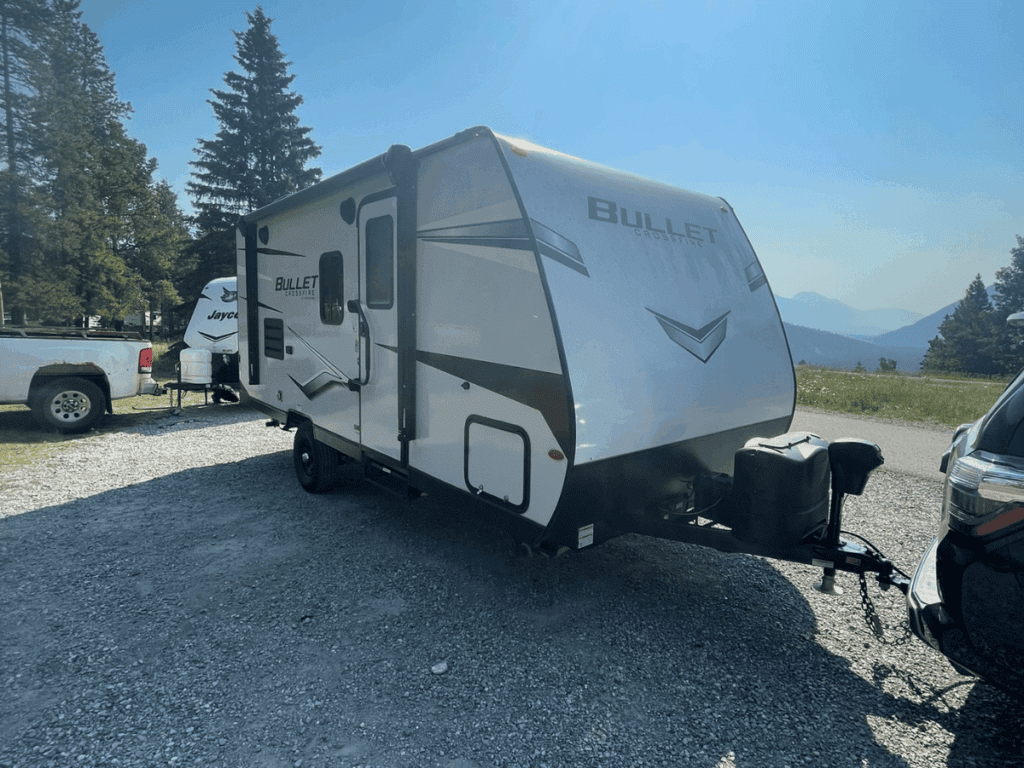
Tunnel Mountain Village II stands out as the only campground in Banff National Park with full hookups for electricity, water, and sewer connections. You’ll find it just 4 kilometres from downtown Banff.
The campground runs from early May through early October. It has 188 sites, and they fit RVs up to 30 feet.
Flush toilets, hot showers, and kitchen shelters with cooking facilities are available. Fire pits and picnic tables come standard at each site, and you’ll get food storage lockers to keep the wildlife out of your snacks.
Available Amenities:
- Full hookups (30 amp service)
- Hot showers and flush toilets
- Kitchen shelters
- Interpretive programs
- Playground
This spot puts you within walking distance of the Hoodoos Trail and close to everything in town. Book way ahead for summer—these sites go fast because of the full-service hookups.
Our family just loves this spot. It has to be one of the most iconic campgrounds in Banff. The kids love exploring, going into the town, and being surrounded by spectacular views. However, it is tricky to book as this campground fills up fast so be sure to book in January when reservations open up.
Lake Louise Campground
Lake Louise Campground sits about 5 kilometres from the famous lake itself. It offers 206 RV sites with electrical hookups (but not full hookups).
The campground runs from May through September and can handle RVs up to 35 feet. You get flush toilets, hot showers, and a dump station right on site. Every site includes a picnic table and fire pit.
This camping location near Lake Louise gives you easy access to some of the park’s most jaw-dropping scenery. It’s an ideal base for exploring Lake Louise, Moraine Lake, and the endless hiking trails around here.
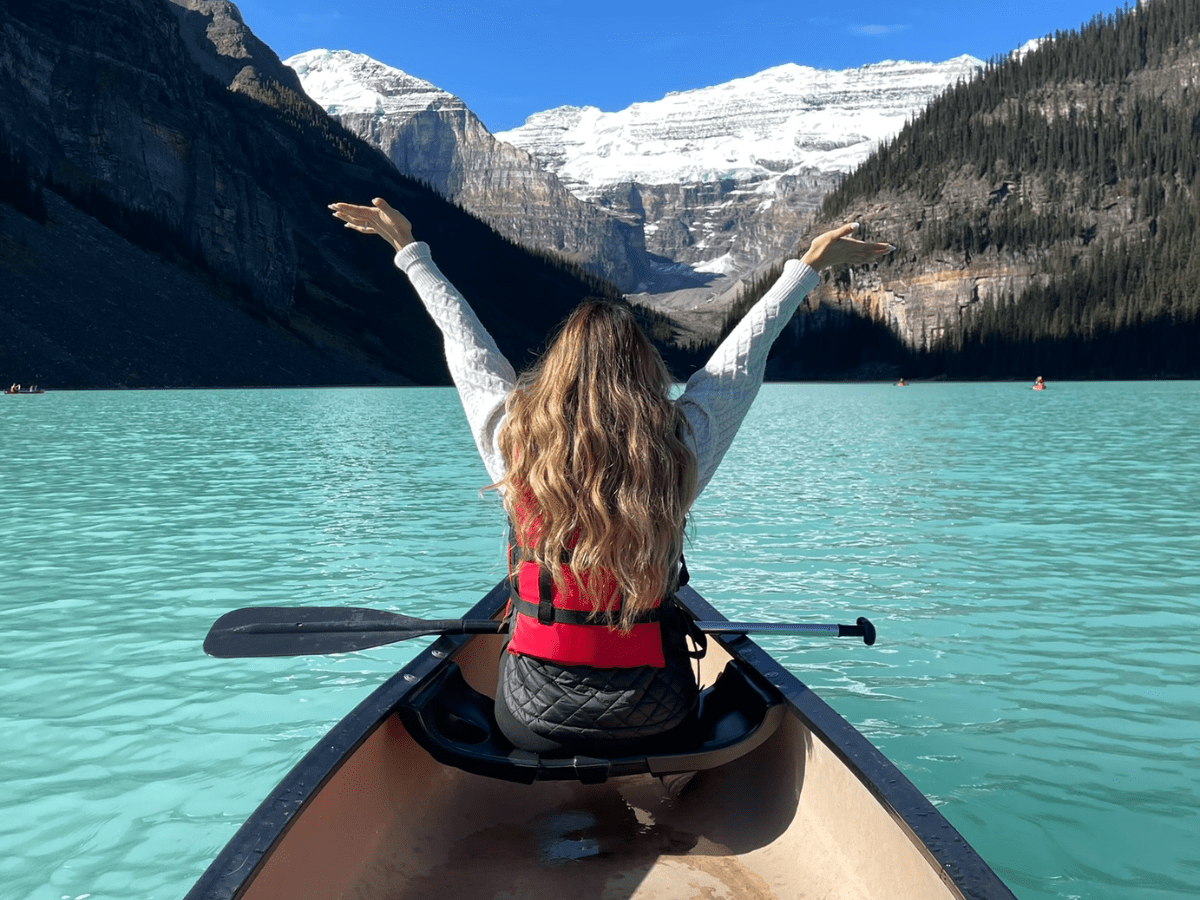
A shuttle runs from the campground to Lake Louise Village during peak season. That helps you dodge the parking chaos at the lake, which is honestly a lifesaver.
Sites are split into three areas. Some offer more privacy than others, and the whole place sits in a forested area that gives you decent shade when it’s hot out.
Two Jack Lakeside Campground
Two Jack Lakeside Campground has 74 sites for tents and RVs. It’s about 10 kilometres from Banff townsite, right near Lake Minnewanka.
This campground usually opens from mid-May through late September. There aren’t any electrical hookups, so it’s better for self-contained RVs.
You’ll get drinking water, flush toilets, hot showers, and cooking shelters. Each site has picnic shelters, fire pits, and food storage lockers. The lakeside setting means you get unreal mountain views and direct access to the water.
People love kayaking, paddle boarding, and fishing on Two Jack Lake. Lake Minnewanka is nearby if you want boat tours or more recreation.
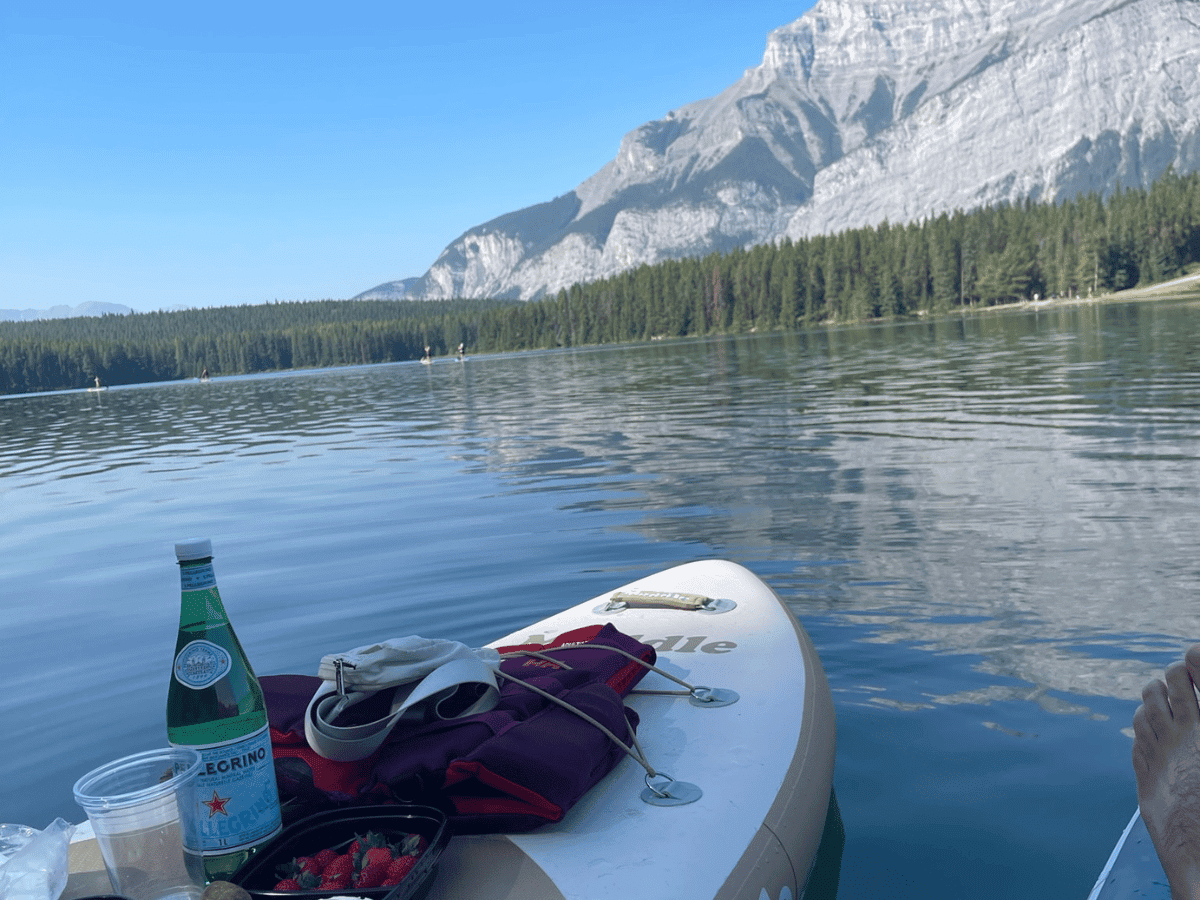
Wildlife shows up often, so keep your food locked up. Sites come in all shapes and sizes—some sit right by the water, others are tucked back in the trees. It’s usually quieter here than at Tunnel Mountain.
We love it here! we get to the lake a little early to beat the crowds! Nothing beats a summers day on this lake with a picnic on the paddle board
Johnston Canyon Campground
Johnston Canyon Campground has 132 sites about 26 kilometres northwest of Banff, right along the Bow Valley Parkway. It’s open from early June through mid-September and doesn’t offer electrical hookups, but it works for RVs with their own power.
The best part? You’re right next to Johnston Canyon’s famous waterfalls. You can walk from your campsite to the paved trail—Lower Falls takes about 20 minutes, Upper Falls is roughly an hour away on foot.
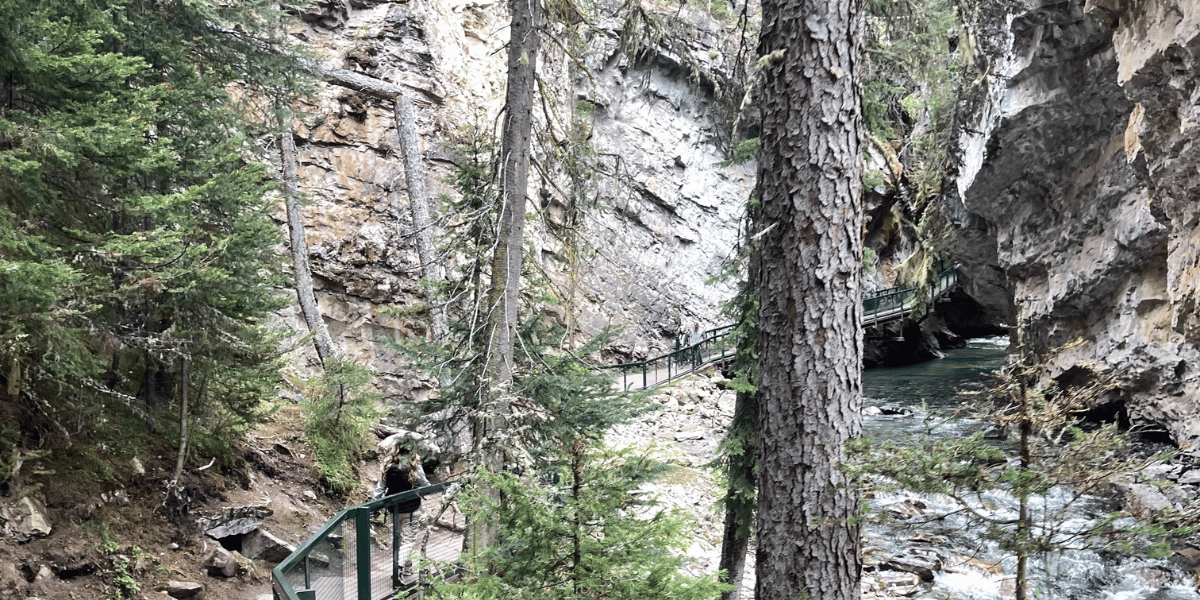
Facilities here include flush toilets, a dump station, and kitchen shelters. Each site comes with a fire pit and picnic table. The campground sits deep in the forest, so you get great shade and a real wilderness vibe.
Distance to Key Attractions:
- Lower Falls: 1.1 kilometres
- Upper Falls: 2.7 kilometres
- Banff townsite: 26 kilometres
- Lake Louise: 50 kilometres
Wildlife likes to hang out along the Bow Valley Parkway, so you might spot elk, deer, or even a bear. If you want to avoid crowds at the falls, start your hike early—by mid-morning, it gets packed.
Johnston Canyon is extremely busy during summer. We go early or a little later in the day if time permits. This allows for less crowds and more photo worthy pictures.
Additional Notable Campground Options
Three campgrounds along the Icefields Parkway give you quieter alternatives to Banff’s busy sites. They’re rustic, a bit more remote, and perfect if you want to get away from the crowds and hit some hiking trails.
Mosquito Creek Campground
Mosquito Creek Campground sits 24 kilometres north of Lake Louise on the Icefields Parkway. This small campground provides basic amenities for RVers who don’t need full hookups.
You’ll find 32 sites for tents and RVs. Each spot gives you vault toilets, fire pits, and picnic tables. There’s no electricity or water hookups, but you can get potable water on-site.
Key Features:
- Maximum RV length: 7.3 metres
- No reservations (first-come, first-served)
- Open late June to early September
- Kitchen shelters available
This campground makes a great base for hiking. The Mosquito Creek Trail starts right from camp and leads to some gorgeous alpine meadows.
The name’s not a joke—mosquitoes can be brutal in July and early August, so don’t forget the bug spray.
Castle Mountain Campground
Castle Mountain Campground sits 32 kilometres northwest of Banff townsite, right on the Bow Valley Parkway. It’s a mid-sized facility, and larger RVs fit here better than at Mosquito Creek.
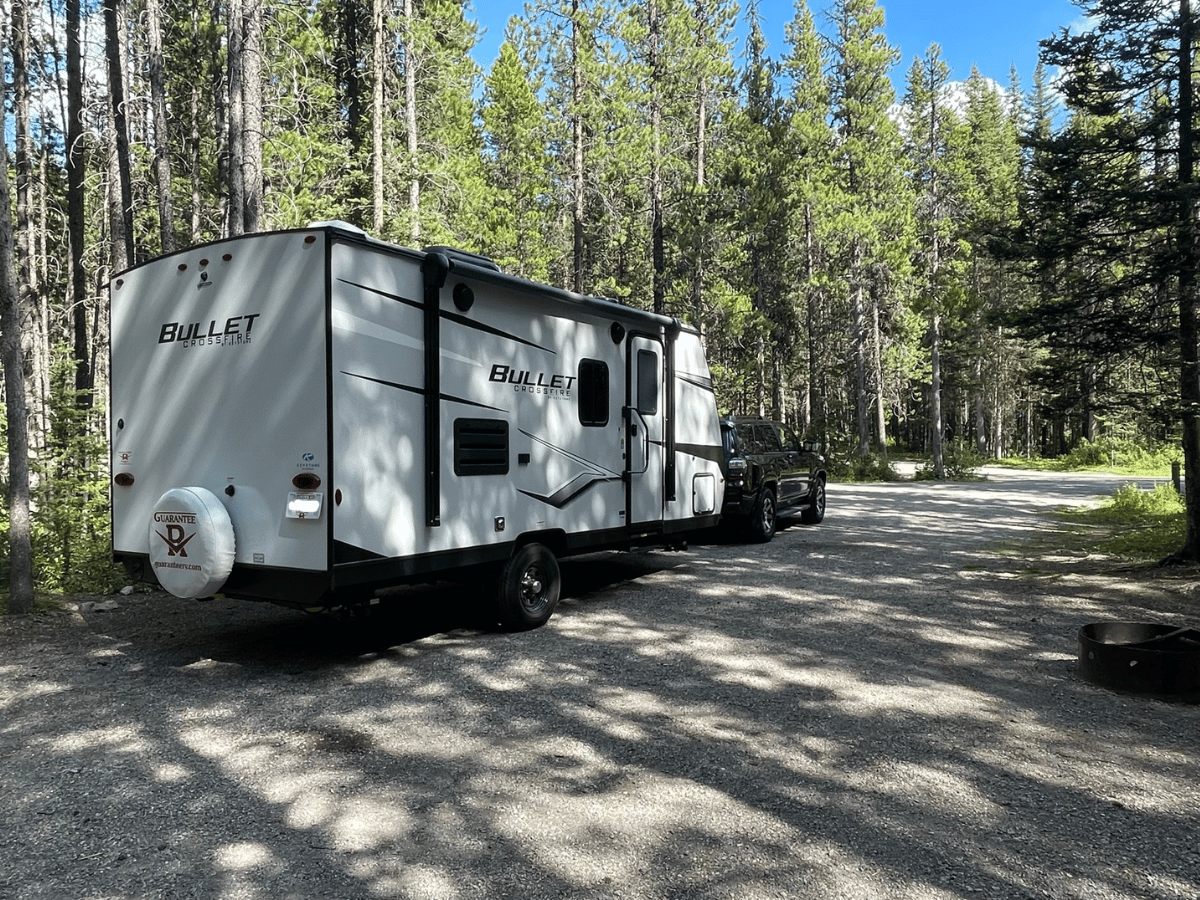
You’ll get 43 sites with a mix of options for different camping styles. No electrical hookups, but the location is hard to beat if you want to check out several popular spots nearby.
Available Amenities:
- Flush toilets and potable water
- Kitchen shelters with wood stoves
- Food storage lockers
- Maximum RV length: 10 metres
Castle Junction is close enough to walk and grab basic supplies. The campground usually operates from late May through September, depending on the weather.
The sites here are well maintained and level. However, depending the size of rig you have, be careful where you book due to narrow roads. We also found, this campground is very shaded from all the trees and you will need to adventure out to see better mountain views.
The Bow Valley Parkway sometimes closes seasonally to protect wildlife. That means fewer evening drives, but honestly, it ups your chances of seeing elk and bears right near camp.
Waterfowl Lakes Campground
Waterfowl Lakes Campground sits 57 kilometres north of Lake Louise on the Icefields Parkway. Honestly, if you’re up for venturing a bit farther from town, it’s one of the most scenic campgrounds in Banff you’ll find.
The facility has 116 sites, so it’s definitely on the larger side for this stretch of the parkway. RVs up to 8.8 metres can fit here, which covers most folks’ setups.
You won’t find hookups, but they do provide the basics. It’s a tradeoff—no frills, just what you need.
What You’ll Find:
- Vault toilets throughout
- Kitchen shelters
- Potable water taps
- Fire pits and picnic tables
- Food storage required (bear country)
The campground usually opens in mid-June and closes in late September. You can reserve up to three months ahead, and honestly, you’ll want to for July and August.
You can walk right to the lakes from your campsite. When the morning light hits the water and those mountains reflect back—wow, the photo ops are unreal.
The Chephren Lake trail starts super close and makes for a solid moderate hike if you’re itching to stretch your legs.
Key Amenities and Services for RV Campers
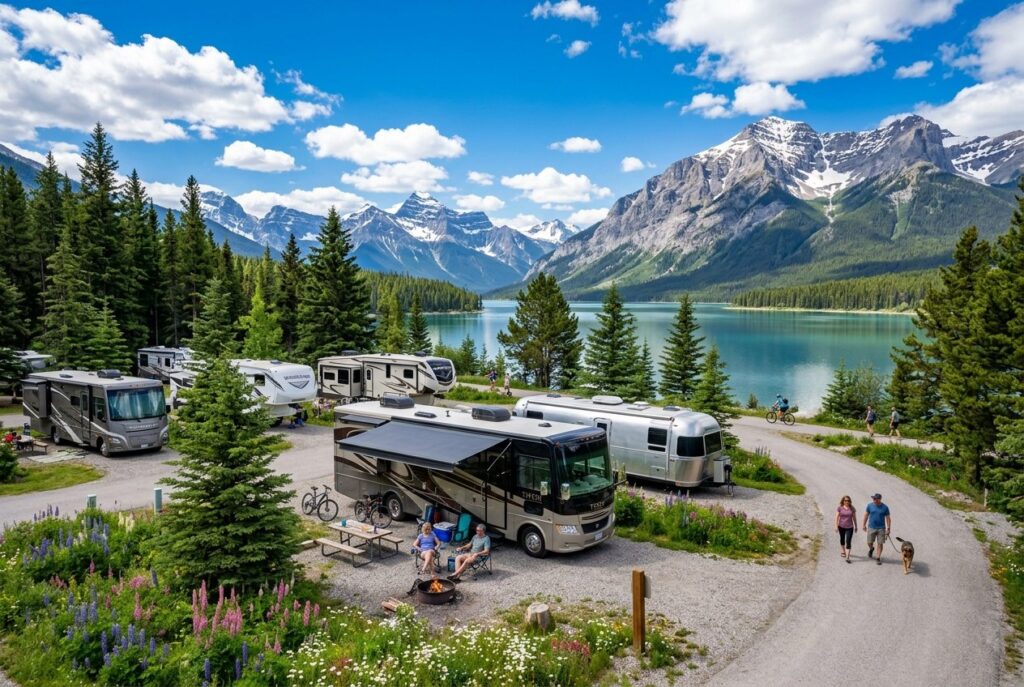
If you’re RV camping in Banff National Park, you’ll want to know where to find essentials like electrical hookups, decent washroom facilities, and waste disposal stations. The amenities swing a lot from one campground to the next, so it’s worth checking before you book.
Electrical and Water Hookups
Most campgrounds in Banff National Park open from May to October. Only a handful offer electrical hookups, and that’s mostly in summer.
Tunnel Mountain Village II stands out with 30-amp service at a bunch of sites. If you need power for A/C or heat, this is where most RVers end up.
Water hookups? Not so much. Usually, you’ll top up your tank at a station instead of having a direct line at your site.
The main campgrounds scatter potable water taps within walking distance of most spots. It’s not perfect, but it works.
Available Services by Campground:
- Full hookups: Not available in Banff National Park campgrounds
- Electrical only: Tunnel Mountain Village II (30-amp)
- No hookups: Lake Louise, Two Jack Lakeside, Johnston Canyon
Showers and Washroom Facilities
All frontcountry camping and RV sites have washroom buildings with flush toilets a short walk away. Tunnel Mountain Village I and II both offer hot showers—pretty rare for national park campgrounds and a total bonus if you’re there for more than a night or two.
Lake Louise Campground gives you washrooms but skips the showers. So, you’ll either use your RV’s shower or trek to the rec centre in Lake Louise village if you’re desperate.
Staff clean the washrooms regularly during peak season, but sometimes you’ll wait 15-20 minutes for a shower on those busy summer mornings. Bring patience—or shower at odd hours.
Dump Stations and Waste Disposal
Every major campground keeps at least one sani-dump station running for grey and black water. Registered campers use them for free, and you’ll usually find them near the entrance or exit.
Tunnel Mountain’s dump station is probably the easiest to access. The signage is obvious, and there’s enough space for bigger rigs to get in and out without drama.
The dump station stays open through the camping season, and there’s fresh water for rinsing tanks. It’s all pretty straightforward once you get the hang of it.
Garbage and recycling bins dot every campground. Parks Canada is strict about bear-proof waste, so all your trash needs to go in those heavy metal bins with proper latches.
Never, ever leave garbage outside your RV overnight. That’s just asking for trouble.
Most campgrounds we have been have fairly convenient dump and fill stations. Just make sure you have sanitizer and gloves with you haha.
Prime Locations and Accessibility
The best RV campgrounds in Banff National Park somehow juggle jaw-dropping mountain views with real-world convenience. Distance from town and whether your rig can actually get there—these two things will make or break your stay.
Proximity to Banff Town and Canmore
Camping options in Banff National Park run the full spectrum, from right in the townsite to tucked-away mountain spots. Tunnel Mountain Village, just 2.5 kilometres from downtown Banff, is a breeze for grabbing food, groceries, or last-minute gear. Walking or biking into town is totally doable from here.
Two Jack Lakeside sits 10 kilometres northeast of Banff, so it’s quieter but still close enough for supply runs. The drive takes maybe 12 minutes—just enough to feel away from it all, but not so far you’re stranded.
If you’re closer to Canmore, check out campgrounds along the Bow Valley Parkway. These put you 20-30 minutes from Canmore’s shops, but you’re still deep in park territory.
Accessibility for Large RVs and Trailers
Some Banff campgrounds can handle big RVs, but not all. Tunnel Mountain Trailer Court takes rigs up to 12 metres and has pull-through sites with full hookups, which is a lifesaver if you’re new to towing.
The paved roads and level sites take the stress out of maneuvering. Even first-timers with longer trailers won’t sweat it here.
Two Jack Lakeside, on the other hand, has 74 sites but tighter turns and some narrow spots. Larger Class A motorhomes might struggle, but truck campers and smaller trailers (under 9 metres) fit just fine.
The lakeside setting kind of makes up for any hassle, if you ask me. If you’re comfortable driving, it’s worth it.
Always check the maximum RV length before you book. Parks Canada actually enforces those limits, and some campgrounds in Banff National Park list restrictions from 7.5 to 12 metres, depending on the site and road.
Outdoor Activities and Attractions Near Campgrounds
Campgrounds in Banff National Park land you right in the thick of world-class hiking, wildlife viewing, and lakes just begging for a paddle or a fishing line. The park’s layout is nice and compact, so most adventures are just a quick drive or bike ride from wherever you’re parked.
Nearby Hiking Trails and Scenic Walks
Tunnel Mountain Trail starts right from the campground area and gives you a 4.3-kilometre moderate hike. You’ll gain 260 metres in elevation, but the payoff? Panoramic views of Bow Valley and the peaks all around. Expect to spend about two hours round-trip.
Johnston Canyon is a classic—23 kilometres northwest of Banff townsite. You’ll walk along catwalks bolted to the canyon walls, pass the Lower Falls at 1.1 kilometres, and hit the Upper Falls at 2.7 kilometres. If you want to dodge the crowds, go before 8 AM or after 6 PM.
Lake Louise shoreline paths are easy, family-friendly, and absolutely gorgeous. The 2-kilometre lakeshore trail is mostly flat and works for strollers and wheelchairs too.
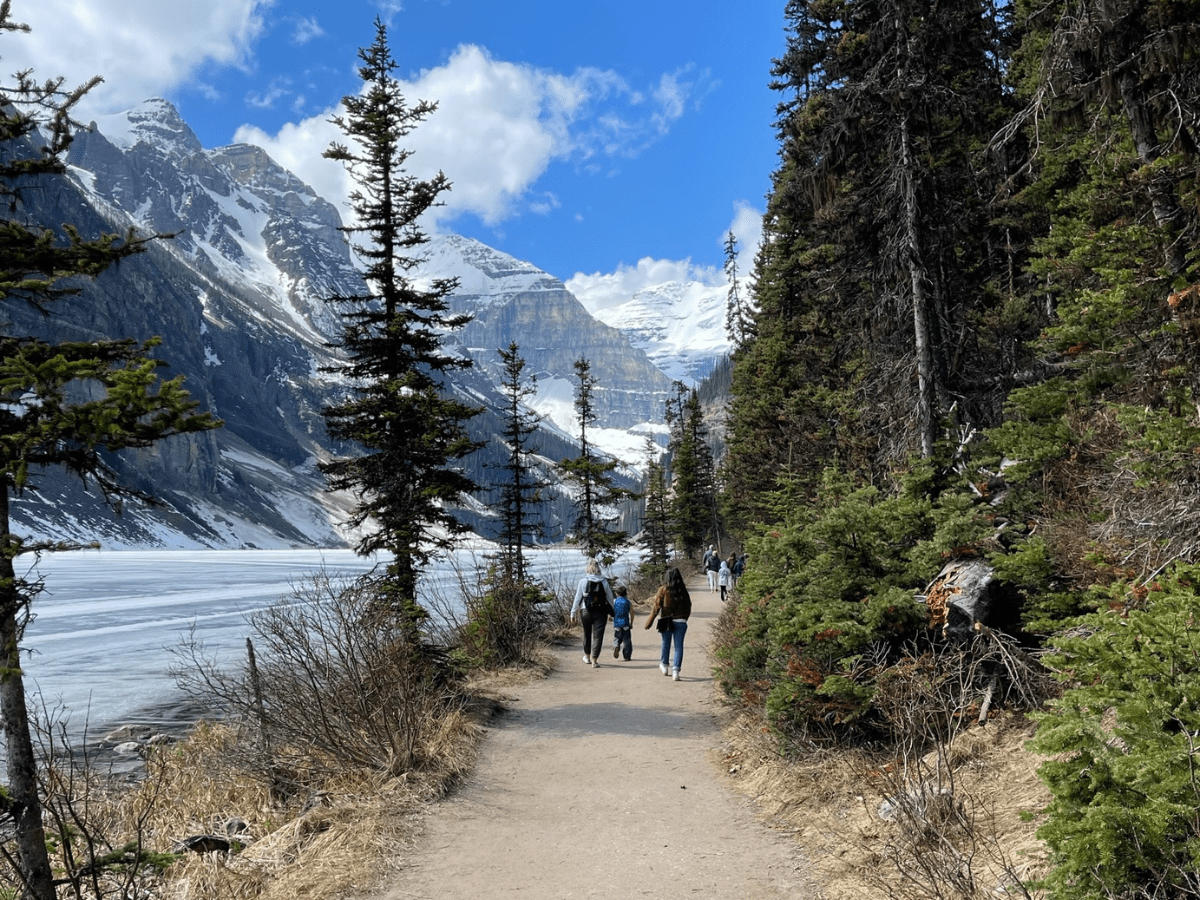
The Kids love Lake Louise Shoreline. Its easy for them to have fun without a lot of work. My wife and I love doing the Little Bee Hive. It is more challenging but extremely rewarding with some amazing surprise on the way up!
For those who want a real workout, the Plain of Six Glaciers Trail runs 10.6 kilometres return from Lake Louise. You’ll climb 365 metres and get up close with actual glaciers. Don’t forget bear spray, and always check trail conditions before heading out.
Wildlife Viewing Opportunities
Elk hang out around Tunnel Mountain campground a lot, especially early in the morning or at dusk. Keep at least 30 metres away—bulls can get aggressive, especially in September and October during rut.
The Bow Valley Parkway between Banff and Lake Louise is your best shot at seeing black bears, grizzlies, and bighorn sheep. If you drive slow between dawn and 10 AM, you’ve got a real chance. There are lots of pullouts for safe viewing too.
Common Wildlife Near Campgrounds:
- Elk: Most active at dawn and dusk near townsite areas
- Bighorn Sheep: Often seen on steep slopes along roadways
- Black Bears: Frequent berry patches in late summer
- Grizzly Bears: Prefer valley bottoms and alpine meadows
- Deer: Common in forested campground areas
Vermilion Lakes, just five minutes from Banff townsite, draws in moose, beaver, and all sorts of birds. Bring binoculars and try weekday mornings if you want some peace and quiet for spotting wildlife.
Always store your food properly and keep your site clean. Wildlife that learns to look for human food usually ends up relocated—or worse.
Boat Launch and Water Recreation
Lake Minnewanka has the park’s only public motorboat access. The boat launch sits 15 kilometres northeast of Banff, and you can bring vessels up to 10 horsepower.
Canoeing and kayaking are allowed on most Banff lakes without motor restrictions. Moraine Lake and Lake Louise rent canoes from June through September, as long as the weather cooperates.
Rates usually run about $150 per hour. That’s steep, but the scenery? Worth every penny, if you ask me.
Two Jack Lake offers a quieter paddling spot with a small boat launch for canoes and kayaks. The water stays cold all year—seriously cold—so I always recommend wearing a wetsuit or drysuit and, of course, a personal flotation device.
You’ll need a Parks Canada fishing permit, which you can grab at visitor centres. The Bow River has native bull trout (catch and release only) and some introduced brook trout.
I usually find the best fishing spots downstream from Banff, near the Hoodoos Trail. You might have to hike a bit, but the solitude is unbeatable.
Tips for a Safe and Enjoyable RV Camping Experience
Banff National Park really rewards people who plan ahead and know the rules. Book your campsite months in advance, brush up on Parks Canada’s rules, and pick your season carefully—it all makes a difference.
Campground Reservations and Permits
Book your Banff campsite early using the Parks Canada reservation system. Reservations open 90 days before your arrival, and the popular places like Tunnel Mountain are gone within minutes.
Set a reminder for 90 days out and be ready at your computer when bookings open at 8:00 AM Mountain Time. The system can lag during busy times, so keep calm and have a few backup dates ready—trust me, you’ll need them.
Required permits and passes include:
- Parks Canada Discovery Pass (daily or annual)
- Camping permit (comes with your reservation)
- Fire permit (it’s free, but you still need one for campfires)
You’ll also need a park entry permit for your vehicle, which you can buy online or at the gate. The Discovery Pass pays off if you visit more than once or stay longer than a week.
Park Regulations and Responsible Camping
Parks Canada enforces strict rules to protect wildlife and keep Banff’s environment pristine. You have to store all food, toiletries, and scented stuff in your locked RV or in the metal lockers at each campsite.
Don’t leave food outside, not even for a minute. Bears roam everywhere, so you really need to follow proper food storage protocols all the time.
Wash your dishes right away and dump grey water only at the designated stations. Keeping a clean site isn’t just for the rules—it actually makes camping nicer for everyone.
Generators can run only during certain hours, usually 8:00 AM to 10:00 PM. Double-check your campground’s quiet hours, since some are stricter than others.
Respect those hours if you want to stay on good terms with your neighbours. People come here for the peace and quiet, after all.
Stick to designated roads and trails with your RV. Off-roading damages fragile alpine plants and isn’t allowed.
If you bring your dog, keep it on a leash at all times. Some trails don’t allow pets at all, so check before you go.
Best Seasons for RV Camping
The camping season in Banff runs from mid-May to early October. Most campgrounds open from late June to early September.
July and August bring the warmest weather, but also the biggest crowds and highest prices. You’ll have to decide if the trade-off is worth it.
Peak season (July-August):
- Warmest days (15-25°C)
- All facilities open
- Highest campground rates
- Trails and attractions are packed
- Mosquitoes can get brutal in the woods
Shoulder season (May-June, September):
- Cooler days (5-15°C)
- Fewer crowds
- Lower camping fees
- Some facilities may have shorter hours
- Greater chance of rain or even snow
September is fantastic for wildlife watching—elk start their rut and larch trees turn golden in late September and early October. Some campgrounds close after Labour Day, though, so your options narrow down quickly.
Even in summer, nights can get cold—sometimes close to freezing if you’re higher up. Pack warm bedding and make sure your RV’s heater works.
Exploring Parks Beyond Banff
If Banff campsites fill up or you’re just in the mood for more adventure, Jasper National Park sits a few hours north and totally delivers on scenery. Several conservation areas nearby offer quieter alternatives too, if you’re not keen on crowds.
Day Trips to Jasper National Park
Jasper National Park lies about 290 kilometres north of Banff, right along the legendary Icefields Parkway. The drive takes three to four hours, but honestly, you’ll want to stop for viewpoints and wildlife every chance you get.
Camping in Jasper and Banff ranges from full-hookup RV campgrounds to rustic sites. Jasper feels less crowded than Banff, especially in the shoulder seasons, and the town itself is more laid-back. Parking a big RV is easier, too.
Key attractions worth the drive:
- Maligne Lake and Spirit Island
- Athabasca Falls
- Columbia Icefield
- Jasper SkyTram
Book your campsites as early as possible in summer. Spring and fall offer more breathing room, but you might run into colder temps or road closures.
Nearby Conservation Areas
Provincial parks near Banff are fantastic backup options if the national park is full. Kananaskis Country, just southeast of Banff, has more than 3,000 campsites across several campgrounds, and the rules are a bit more relaxed than in the federal parks.
Peter Lougheed Provincial Park has several RV-friendly campgrounds with mountain views that rival Banff’s. Sites here usually cost less and don’t book up as fast.
Spray Valley Provincial Park and Bow Valley Provincial Park both sit within half an hour of Banff. Camp here and you can explore Banff by day, then retreat to a quieter and cheaper site at night.
Frequently Asked Questions
If you’re planning an RV trip to Banff, you probably have questions about full hookups at Tunnel Mountain Trailer Court, when to book, and the size limits at different campgrounds.
Which campgrounds offer full hookups for RVs near the townsite, and what services are typically available?
Tunnel Mountain Trailer Court is the only Banff campground with full hookups—water, sewer, and electricity. It runs from May 8 to October 5 in 2026.
This campground sits just a few kilometres from downtown Banff. Each site has 30-amp electrical service, plus access to flush toilets and hot showers.
Tunnel Mountain Village II offers electrical hookups only and stays open all year. If you’ve got your own water tank and can deal without a sewer hookup, it’s a solid option.
Both places fill up fast in summer. The Trailer Court costs more than the unserviced sites, but you’ll save yourself from extra dumping runs.
How far in advance should camping reservations be made, and what is the best way to secure a site during peak season?
Book your Banff campsite as soon as reservations open. Parks Canada usually releases dates several months before camping season starts.
Peak season is late June through August. Sites at Tunnel Mountain and Lake Louise vanish within hours, sometimes minutes.
Make your reservation through Parks Canada online or by phone. The system opens at 8:00 AM Mountain Time on release day—don’t be late.
Two campgrounds—Mosquito Creek (June 4 to October 12) and Waterfowl Lakes (June 18 to September 6)—don’t take reservations. They operate first-come, first-served.
If you want a spot at these, arrive early in the morning. Weekdays are less competitive than weekends, in my experience.
What are the RV size limits and road access considerations for popular campgrounds in the area?
Most Banff campgrounds fit RVs up to 40 feet, but each site can have its own restriction. Tunnel Mountain Trailer Court handles big rigs without much trouble.
Some campgrounds along the Icefields Parkway have tighter turns and narrower roads. Check site specs before booking if you drive a longer motorhome or fifth wheel.
Two Jack Lakeside and Johnston Canyon are good for mid-sized RVs (25-35 feet). The roads are paved but wind through the forest, so take it slow.
Pull-through sites are rare in Banff. Most are back-in only, so it’s worth practicing your backing skills before you go.
Trees block satellite reception at a lot of campgrounds. If you need satellite internet or TV, you might be out of luck in the park.
How do Tunnel Mountain, Lake Louise, and Two Jack Lakeside compare for scenery, amenities, and convenience?
Tunnel Mountain sits right next to Banff townsite. So, if you want quick runs for groceries or a restaurant meal, it’s definitely the easiest option.
But, yeah, you lose a bit of that wild, tucked-away vibe. It’s a trade-off—easy access to shops and sights versus feeling deep in nature.
The three Tunnel Mountain campgrounds all do things a little differently. Village I gives you unserviced sites for a more basic experience.
Village II keeps the lights on with electrical hookups, and it stays open all year. Trailer Court? That one’s got full hookups, so it’s basically camping with all the comforts.
Lake Louise campground puts you right by that iconic lake and a bunch of hiking trails. The hard-sided section has electrical service and doesn’t close for winter, which is nice.
But if you’re in a tent or soft-sided trailer, you’re limited to May 29 through September 23. That’s a pretty short window, honestly.
Two Jack Lakeside just nails the lake views. You wake up, step outside, and bam—Minnewanka Lake is right there.
The walk from your site to the water takes, what, maybe a minute? Hard to beat that for a morning coffee spot.
They only run Two Jack from May 22 to October 5, and there aren’t any hookups. Still, it feels quieter than Tunnel Mountain most days.
But it’s not so far from town that grabbing extra marshmallows is a hassle. I think that balance is pretty great.
Are there campgrounds with easy access to hiking trails and shuttle routes, including options near Johnston Canyon?
Johnston Canyon campground opens May 22 and shuts down September 21. It sits literally at the trailhead, so you can roll out of your tent and start hiking before the tour buses even show up.
You only get unserviced sites here. The place sits along Bow Valley Parkway, about 23 kilometres away from Banff townsite—so not exactly a quick stroll, but not too remote either.
Roam Transit buses run to some campgrounds during summer. They link Tunnel Mountain, Two Jack, and Lake Louise to a bunch of trailheads and attractions.
But honestly, check the current Roam Transit schedules before you go. They change the routes and how often they run depending on the season, which can be a little unpredictable.
Lake Louise campground lets you walk right to the lakeshore trail. When Moraine Lake Road opens to private vehicles, you can drive there in just a few minutes.
What rules and best practices should RV travellers follow for wildlife safety, quiet hours, and generator use?
Stash all your food, toiletries, and anything scented inside your RV, or toss them in the metal food lockers you’ll find at campsites. Bears roam all over Banff. Honestly, a bear that gets human food almost never ends up surviving—so let’s not tempt fate.
Don’t leave food outside, not even for a few minutes while you’re cooking. After you barbecue, scrub it down and store it somewhere safe. I’ve seen folks get way too casual about this, and it’s just not worth the risk.
Quiet hours kick in at 11:00 PM and last until 7:00 AM at every Parks Canada campground. Generator use isn’t a free-for-all either—you can usually only run them from 8:00 AM to 10:00 PM, but there’s often a midday break.
Some campgrounds don’t allow generators at all. Always double-check the rules for wherever you’re staying; don’t just assume you can fire yours up whenever you want.
Keep your dog leashed, no exceptions. Most national park hiking trails don’t allow pets, which can really throw a wrench in your plans if you travel with animals, so plan ahead.
Stick to the 20 kilometres per hour speed limit in campgrounds. Trust me, wildlife and kids dart across the roads out of nowhere, and nobody wants a close call.