
If you’re considering your first adventure in Alberta’s great outdoors, Kananaskis Country deserves a spot at the top of your list. Often overshadowed by its famous neighbor, Banff National Park, Kananaskis is a sprawling mountain playground that offers breathtaking scenery, endless activities, and a more laid-back vibe—all just a short drive from Calgary.
In this guide to Kananaskis for beginners, you’ll learn exactly what makes this area so special, how to get started exploring it, and the essential tips that will help you make the most of your visit without feeling overwhelmed. Whether you’re seeking easy hikes, stunning viewpoints, or simply a peaceful escape into nature, Kananaskis Country is the perfect place to begin your journey.
This Post IS All About Kananaskis For Beginners
Kananaskis for beginners (what it is, where it is, and why people love it)
Kananaskis Country is one of those names you hear a lot if you live in Alberta. But the first time you actually try to plan a trip there, it can feel weirdly… vague.
In plain terms, Kananaskis Country is a massive mountain recreation area west of Calgary, sitting right beside the better-known Banff National Park. It’s not Banff. It’s close to Banff. And that difference matters because it changes how the whole place feels.
People love Kananaskis Country because it’s still dramatic, still mountain gorgeous, still full of lakes and peaks and wildlife. But it’s usually quieter than Banff, more spread out, and more “choose your own adventure” than “everyone goes to the same three spots.”
A good beginner mindset is simple:
- Don’t forget that you’re in prime grizzly bear and cougar habitats. Bear Spray is a must
- Pick one base area.
- Keep driving time realistic. Distances look short on a map, but mountain roads and parking can slow everything down.
- Start with short walks and scenic stops, not a huge hit list of hikes.
Quick orientation to the main corridors you’ll hear about:
- Hwy 40 (Kananaskis Trail): the main paved north to south route into the heart of Kananaskis Country.
- Hwy 1A: the scenic route between Calgary and Canmore area, connects you toward the Kananaskis region.
- Hwy 68 (Sibbald Trail): access toward the south and some day use areas.
- Smith Dorrien Trail (742): a famous gravel road connecting Canmore area toward Spray Lakes and Kananaskis Country. Beautiful, dusty, sometimes rough.
If that already feels like a lot, good. That means you’re normal. You don’t need to “do Kananaskis” in one trip. You just need one solid plan.
The one thing that surprises most first timers: fees, passes, and park rules
The surprise is not that there’s a fee. It’s that people assume it’s the same as Banff National Park. It’s not.
Kananaskis Conservation Pass (what it is and where it applies)
You’ll usually need a Kananaskis Conservation Pass for vehicles parked in Kananaskis and Bow Valley provincial park day use areas. Think trailheads, lakes, picnic areas. Not every single pullout in the universe, but enough that you should treat it like a must do.
How it works, in beginner language:
- It’s tied to your vehicle plate.
- You buy it online (Alberta Parks) and keep proof on your phone.
- There are daily and yearly options depending on how often you’ll visit.
Check the official Alberta Parks page before you go, because boundaries and enforcement details matter and can change.
You can also purchase when you enter the park at a number of different information facilities.
National Parks pass vs Kananaskis pass
If you drive into Banff National Park, you need a Parks Canada pass. That is separate. Buying one does not cover the other. It’s important to note that Kananaskis Country and Banff National Park are distinct areas with different regulations and fees.
This mix up is probably the most common first timer mistake. It’s also the easiest to avoid if you just decide ahead of time where you’re actually going that day.
Basic rules beginners miss (and regret later)
- Pets on leash. Not “mostly.” Not “if nobody is around.” Leash.
- Wildlife distance. Don’t approach. Don’t surround. Don’t be that person.
- No feeding wildlife. Ever.
- Stay on the trail. Shortcutting ruins vegetation and causes erosion fast.
- Fire restrictions. They happen. Especially in dry summers. Check before you go. This is particularly important in Kananaskis Country, where conditions can change rapidly.
- Drone restrictions. Many areas have restrictions and enforcement. Don’t assume you can fly because it looks empty. Always verify the regulations specific to Kananaskis Conservation Pass.
Camping basics in one breath
Camp in designated sites unless you know the random camping rules and are prepared. In peak summer, reservations matter.
Best time to visit Kananaskis (and what each season actually feels like)
Kananaskis is highly seasonal.
Summer (June to September)
Ideal for beginners: most trails are accessible, lakes are thawed, and classic day activities require no winter gear. Expect busy weekends at popular lakes; start early.
Shoulder seasons (May, October)
Fewer people but watch for:
- Mud.
- Snow patches.
- Icy mornings.
- Surprise trail closures.
Great if you’re flexible and pack layers; avoid tight schedules.
Winter (November to April)
Beautiful but risky. Great for:
- snowshoeing
- cross country skiing
- short winter hikes
Respect:
- avalanche terrain
- short daylight
- cold temperatures
If you only have one day
Late spring to early fall is easiest for a memorable experience.
How to get to Kananaskis (Calgary, Banff, Canmore) + simple driving tips
Most beginners enter through Canmore or the Calgary side.
Common routes:
- Calgary → Canmore → Hwy 40 (Hwy 40 is before Canmore)
- Calgary → Bragg Creek / Highway 66 → West Bragg Creek trails
- Banff or Canmore → Smith Dorrien (742) → Spray Lakes
Typical drive times:
- Calgary to Canmore: 1 to 1.5 hours
- Canmore to Kananaskis Village: 20 to 40 minutes
- Canmore to Spray Lakes via Smith Dorrien: slower due to gravel and traffic
Factors: construction, wildlife jams, weather.
Fuel and food planning:
- Top up in Canmore, Calgary, or Bragg Creek.
- Limited services deeper in; don’t rely on gas stations.
Road notes:
- Hwy 40 is paved.
- Smith Dorrien (742) is gravel; drive slowly and let others pass.
Where to base yourself as a beginner (pick one area and enjoy it)
You’ll have a better first trip if you choose one base and commit.
Option 1: Canmore (most amenities)
Best if you want restaurants, groceries, coffee, gear shops, and lots of accommodations. You do day trips into Kananaskis, come back to a real bed and a real dinner. Hard to beat for first timers.
Option 2: Kananaskis Village (on the doorstep)
You’re right there, which feels amazing in the morning. But dining and shopping are limited. Great if you want quiet and convenience, not variety.
Option 3: Bragg Creek / Calgary side
Good for West Bragg Creek and Elbow Valley style day trips. If your goal is easy forest trails, low stress loops, and less driving, this side works really well.
Consider nearby areas like Peter Lougheed Provincial Park for stunning landscapes or Spray Lakes for picturesque views as alternative bases or points of interest.
How to choose:
- Short trip? Stay close (Canmore or Bragg Creek).
- Camping or RV? Base near the zone you’ll actually explore.
- Want alpine lakes? Canmore or Kananaskis Village makes it easier.
Beginner friendly things to do in Kananaskis (low stress, high reward)
You can have an incredible day without a monster hike.
Scenic drives and viewpoints
Build a “no hike” day:
- Drive Hwy 40 with a few stops.
- Add a lake day use area.
- Do one short walk. That’s it. You’ll still get huge mountain views.
Short walks that deliver big views
Aim for wide, well marked trails with obvious navigation. Lakes, meadows, valley viewpoints. The kind of walk where you’re not staring at your feet the whole time.
Picnic and day use areas
This is the easiest win in Kananaskis. Pack lunch, grab a table, stare at the mountains, feel like you’re getting away with something.
Wildlife viewing (safely)
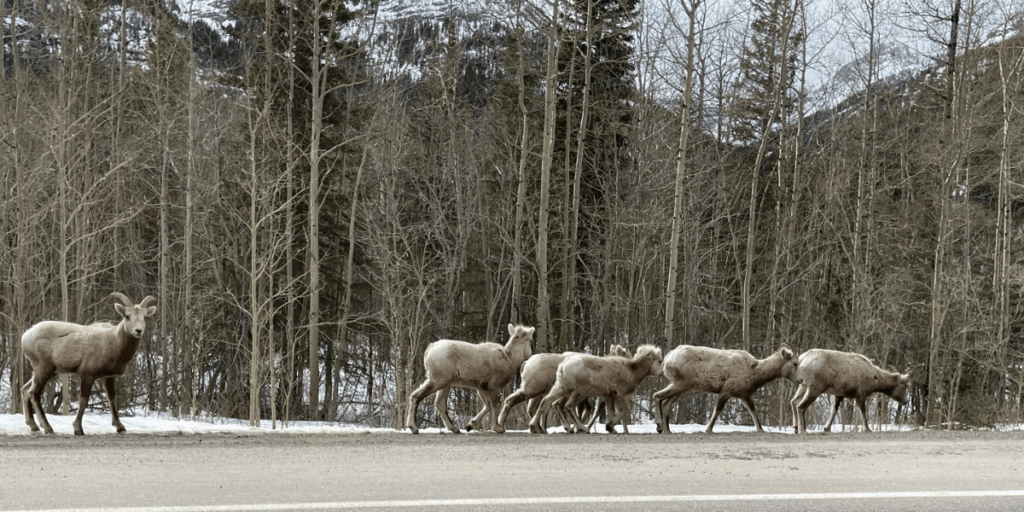
You might see elk, bighorn sheep, maybe bears. The rule is boring because it works: keep distance. And if you’re hiking, carry bear spray and keep it accessible, not buried in your pack like a good luck charm.
Easy hikes and walks to start with (choose 1 to 2, not 6)
Before you publish or go, always verify conditions and closures. Things change fast.
Here are beginner friendly options people commonly start with:
- Barrier Lake (viewpoints and shoreline options): short options, easy to customize, good reward for effort. Common pain point: parking fills up early on weekends.
- Wedge Pond loop: gentle, pretty, low navigation stress. Common pain point: can feel busy, and bugs can be annoying in peak summer.
- Troll Falls (near Kananaskis Village): family friendly classic, clear trail, short. Common pain point: crowds and slippery sections if wet or icy.
- Grassi Lakes (near Canmore, very popular): short, well traveled, big payoff. Common pain point: crowds, parking, and icy patches in shoulder seasons.
- West Bragg Creek trail network (choose short loops): tons of loop options, easy to bail out early. Common pain point: decision overload. Pick one loop and stick to it.
In addition to these, consider other beginner-accessible hikes like Chester Lake and Rawson Lake for stunning scenery. If you’re feeling adventurous but want to gauge your skill level, Sarrail Ridge offers a bit more challenge while Tent Ridge is great for those ready to experience some difficulty.
Simple decision rule: if you’re new to mountain hikes, start with something that’s under 2 to 3 hours round trip with modest elevation. Finish feeling good. That’s the whole point.
Your first “big lake” experience (without biting off too much)
Iconic lakes often come with one of two problems: long hikes or limited parking. Sometimes both.
Beginner strategy:
- Go early.
- Pack lunch.
- Have a backup plan if the lot is full.
Popular targets to research (and verify access/conditions):
- Upper and Lower Kananaskis Lake day use areas
- Spray Lakes viewpoint stops
- Bow Valley Provincial Park lakes on the way through the area
Be sure to check AllTrails for trail maps or updates on conditions before you go.
A simple 1 day beginner itinerary (copy paste and adjust)
Here’s a low stress template.
Morning
- Leave early.
- Drive into your chosen corridor (Hwy 40 is simplest).
- Do one short hike or walk (something like Troll Falls or Barrier Lake area). Check AllTrails for trailhead directions and elevation gain.
Midday
- Picnic at a lake day use area.
- Add one quick viewpoint stop on the drive.
Afternoon
- Do a second short walk if you still feel good. If not, just do a mellow shoreline stroll.
- Head back to Canmore for a snack or early dinner.
Backup plan logic:
- If parking is full at Spot A, go to Spot B (don’t circle for 45 minutes in a mood).
- If weather turns, choose low elevation trails or shorter interpretive style walks.
A relaxed 2 to 3 day beginner itinerary (see more with less rushing)
First Day: arrive and ease in
- Settle into Canmore or your base
- One easy trail (consider a loop hike for variety)
- Sunset viewpoint or lakeside stop
Second Day: main adventure day
- Choose one longer hike OR two short ones—check AllTrails for options based on your energy level
- Lake time, slow lunch, no rushing
- Back to base, early night
Third Day: simple finish
- West Bragg Creek loops or a scenic drive out
- Head home before you’re exhausted
The downtime is not wasted time. This is how Kananaskis actually feels good.
What to pack for Kananaskis (beginner checklist that prevents misery)
The mountains don’t care that it’s “just a short hike.” Bring the basics.
Day hike essentials:
- layers (base layer + warm layer)
- rain shell
- water
- snacks
- headlamp
- navigation (download offline maps)
- first aid kit
- sun protection
- emergency blanket or bivy, whistle
- extra warmth even in summer evenings
Bear safety basics:
- carry bear spray where you can reach it fast
- make noise on trail
- hike in groups when you can
- if you see wildlife, give space and back away slowly. No photo is worth it.
Footwear:
- Running shoes can be fine on some wide dry paths.
- Hiking shoes help a lot on rocky, muddy, or rooty trails. Less slipping, less ankle drama.
Weather reality: Conditions change fast. You can start warm and end cold and soaked. Dress in layers even when Calgary is baking.
Note: If you’re hiking in shoulder seasons or winter, consider bringing microspikes or traction devices for icy trails. Additionally, be aware of avalanche risks; if venturing into winter terrain, an AST1 course is recommended along with basic avalanche gear (transceiver, probe, shovel).
Staying safe: weather, wildlife, and trail etiquette (the quick version)
- Check forecasts for the specific area, not just Calgary.
- Watch for afternoon thunderstorms in summer.
- Turn around early if the sky goes weird or your pace is slower than expected.
- Snow and ice can linger. Microspikes can be a trip saver in shoulder seasons.
- In winter, avoid steep avalanche terrain unless trained and equipped.
- Keep dogs leashed and food secured.
- Leave No Trace. Pack out trash, stay on trail, respect closures.
Camping in Kananaskis for beginners (how to not get stuck without a site)
Camping here is amazing. It’s also competitive.
Types of camping:
- Frontcountry campgrounds (best for beginners): consider popular options like Elkwood Campground or Bow Valley Campground
- Backcountry (more planning, more gear, more commitment)
Start with frontcountry. Get comfortable with the area first.
Reservations:
- Weekends in summer can book out quickly.
- Plan ahead, especially if you want to be near a specific activity zone.
What a typical campground includes (and doesn’t):
- Often vault toilets, sometimes water taps
- Firewood rules vary and fire bans happen
- Bear proof bins in many areas, but not everywhere
- Quiet hours and basic campground etiquette apply
Beginner tip: pick one activity zone near your campsite so you’re not driving forever every day.
If you’re looking for alternative camping experiences, consider Sheep River Provincial Park or the Sandy McNabb area.
RVing in Kananaskis (what to know before you roll in)
RVing is doable in Kananaskis, and honestly it can be the most comfortable way to do it. But you need a slightly different plan than car campers.
Where RVing works best:
- Campgrounds with proper RV sites and enough space to maneuver.
- Book early for peak summer. The good sites go fast.
Road and driving considerations:
- Mountain roads can have narrow shoulders and wildlife on the edges.
- Hwy 40 is the easier paved option.
- If you’re not comfortable, avoid Smith Dorrien (742) gravel with a larger RV or tow setup, or take it slow and be ready for dust and rough patches.
Hookups and dump fill planning:
- Don’t assume full service hookups everywhere.
- Know where you can dump and refill before you get deep into the area.
- Plan your water and battery use like you actually mean it.
Day use parking reality: Some day use lots are not RV friendly. You might fit, you might not. Arrive early and have alternates so you’re not trying to turn around in a crowded lot with an audience.
A beginner friendly RV routine:
- Set up camp.
- Do short hikes nearby.
- Keep driving days simple. One major move per day is plenty.
Food, toilets, cell service, and other small details that matter a lot
Services:
- Canmore is your best bet for groceries, restaurants, and gear.
- Bragg Creek is great on the Calgary side.
- Deep in Kananaskis, services are limited. Pack snacks like an adult. Consider visiting Kananaskis Village for additional amenities.
- If you’re near Peter Lougheed Provincial Park, check out the visitor center for information on available services.
Toilets:
- Expect vault toilets at many day use areas.
- Bring hand sanitizer and tissue. Just do it.
Cell coverage:
- It can be spotty or nonexistent.
- Download offline maps.
- Tell someone your plan if you’re going beyond popular areas.
Respecting locals and the landscape:
- Park properly. Don’t block roads or shoulders.
- Keep noise down.
- Don’t trample vegetation for the perfect photo.
The simplest way to have a great first trip
The beginner formula is boring. And it works.
- Pick one base.
- Buy the right pass (and don’t confuse it with the Banff pass).
- Start early.
- Do 1 to 2 easy hikes.
- Bring a backup plan.
Check closures and trail reports before you leave. Prioritize safety over finishing a hike. Your first trip to Kananaskis should be about confidence, not conquest.
Because Kananaskis is best enjoyed slowly. You’ll want to come back anyway.
FAQs (Frequently Asked Questions)
What is Kananaskis and where is it located?
Kananaskis Country is a vast mountain recreation area located west of Calgary, Alberta, adjacent to Banff National Park. It’s known for its dramatic mountain landscapes, lakes, peaks, and wildlife.
How does Kananaskis Country differ from Banff National Park?
While Kananaskis Country is close to Banff, it offers a quieter and more spread out experience. Unlike Banff’s popular spots, Kananaskis provides a ‘choose your own adventure’ vibe with less crowded trails and scenic areas.
Do I need a Kananaskis Conservation Pass to visit Kananaskis?
Yes, most vehicles parked in Kananaskis and Bow Valley provincial park day use areas require a Kananaskis Conservation Pass. This pass is tied to your vehicle plate and can be purchased online through Alberta Parks. Note that this pass is separate from the Parks Canada pass needed for Banff National Park.
What are some important rules to follow when hiking in Kananaskis?
Key rules include:
- Keeping pets on leash at all times
- Maintaining safe distances from wildlife without approaching or feeding them
- Staying on designated trails to prevent erosion
- Adhering to fire restrictions especially during dry seasons
- Respecting drone regulations which vary by area
When is the best time to visit Kananaskis Country for beginners?
Summer (June to September) is the easiest time for beginners due to accessible trails and thawed lakes. Shoulder seasons like May and October offer fewer crowds but can have mud, snow patches, and icy conditions. Winter offers beautiful snowy landscapes but requires caution due to avalanche risks and cold temperatures.
How do I get to Kananaskis Country from Calgary or Banff?
Common routes include:
- Driving from Calgary through Canmore onto Highway 40 (Kananaskis Trail)
- Via Bragg Creek/Highway 66 area for West Bragg Creek trails
- From Banff or Canmore, taking Smith Dorrien Trail (742) towards Spray Lakes
Drive times vary depending on your destination within the region.