
Camping in the Canadian Rockies lets you experience breathtaking mountain scenery, crystal-clear alpine lakes such as Lake Louise, and abundant wildlife in forests filled with pine, spruce, and fir.
This area has famous national parks like Banff, Jasper, Yoho, and Kootenay, each with its own special landscapes and outdoor activities. Driving along the beautiful Icefields Parkway is a must when visiting these parks.
When planning your trip, you’ll find many campgrounds to suit different needs—whether you want quiet backpacking spots or family-friendly RV sites with facilities. From camps by lakes with mountain views to spots in forests near flowing streams, these top campgrounds give you a chance to enjoy some of the most stunning nature on Earth.
Because camping here is very popular, it’s important to plan ahead. Most campgrounds are run by Parks Canada and fill up fast during summer, especially in July and August. To get a spot at popular places like Banff and Jasper, it’s best to book early, sometimes months before your trip. Last-minute plans often don’t work during busy times since sites fill up quickly and there are few spots for walk-in campers.
This guide will show you seven great campgrounds that highlight the best of the Canadian Rockies. Each one offers special features, facilities, and easy access to natural beauty so you can have a safe and memorable camping trip in this amazing mountain area.
This Post Is All About Campgrounds In The Canadian Rockies
Understanding Frontcountry And Backcountry Camping In The Canadian Rockies
When planning your camping trip in the Canadian Rockies, especially along the Icefields Parkway, you’ll find two main types of camping: frontcountry camping and backcountry camping. Each offers a different way to enjoy nature, and knowing the differences will help you pick the best option for your trip.
What is Frontcountry Camping?
Frontcountry camping means staying at established campgrounds that you can drive to. These sites are easy to reach by paved or gravel roads and offer more comfort with modern facilities. You’ll find marked spots for your tent or RV, and you’re always close to your vehicle if you need extra gear or supplies. According to Parks Canada, frontcountry campsites are those that “can be accessed by vehicle and provide basic services such as fire pits, picnic tables, and nearby washrooms” (source). Popular frontcountry campgrounds in the Canadian Rockies include Tunnel Mountain Trailer Court Campground and Lake Louise Campground.
What is Backcountry Camping?
Backcountry camping isn’t suitable for RVs or travel trailers, as these sites are only accessible by hiking, biking, paddling, or off-road travel that vehicles can’t handle. These remote campsites provide a true wilderness experience and plenty of solitude, but they require careful planning and self-sufficiency—making them best suited to tent campers ready for an adventure away from established roads and amenities.
What Frontcountry Campgrounds Offer
Frontcountry campsites in the Canadian Rockies come with features that make camping easier and more comfortable:
- Washrooms – Flush or vault toilets are available depending on the campground
- Picnic tables – Each site has a table for cooking and eating
- Fire pits – Safe spots for campfires (when allowed)
- Clean water – Taps or pumps providing drinking water throughout the campground
- Food lockers – Bear-proof metal boxes to keep food and scented items safe
- Parking spots – Designated areas for your vehicle right next to your campsite
Some frontcountry campgrounds offer extra amenities like hot showers, electrical hookups for RVs, playgrounds for kids, and guided programs by Parks Canada staff. These sites often have camp hosts who can answer questions and provide info about local attractions such as Lake Louise or hiking trails along the Icefields Parkway.
Why You Need a Discovery Pass for Your RV Camping Trip
Before you pack your RV and hit the road to the Canadian Rockies, remember one important thing: the Discovery Pass. This pass is your vehicle’s admission ticket to all national parks managed by Parks Canada, including Banff National Park, Jasper National Park, Yoho National Park, Waterton National Park and Kootenay National Park.
The Discovery Pass Canadian Rockies acts as a vehicle permit for these parks. Even with a reserved campsite, you can’t access the campgrounds without this pass displayed in your RV. The funds collected from these passes help maintain the roads, campgrounds, and spectacular viewpoints that make RVing through the Rockies so rewarding.
What the Discovery Pass Includes
With your Discovery Pass, you have access to:
- All national parks in the Canadian Rockies
- National historic sites across Canada
- National marine conservation areas
- Day-use areas, scenic drives, picnic sites, and hiking trails within the parks
Note: The Discovery Pass covers park entry and day-use areas but does not include campground fees—those are separate and must be paid when reserving your RV site.
Prices and How to Buy
Parks Canada offers several Discovery Pass options tailored for RV travelers:
Daily Pass: $12.25 CAD per adult (ages 18-64)
- Valid until 4 PM the following day
- Ideal if you’re staying just one night or passing through
Family Day Pass: $24.50 CAD
- Valid until 4 PM the following day
- Ideal if you’re staying just one night or passing through
Annual Discovery Pass: $83.50 CAD per adult
- Valid for 12 months from purchase date
- Great value if you plan several trips or an extended RV journey
Family/Group Annual Pass: $167.50 CAD
- Covers up to seven people traveling together in one vehicle (perfect for families or small groups sharing an RV)
Seniors (65+) pay $10.75 CAD for a daily pass and $71.50 CAD for an annual pass. Youth (17 and under) receive free entry and do not require a pass.
How to Buy Your Discovery Pass
You have three easy ways to get your Discovery Pass for the Canadian Rockies:
- Online: Order ahead on the Parks Canada website here and have it mailed before your trip.
- In person: Purchase at any Parks Canada visitor center or park gate when you arrive with your RV.
- By phone: Call Parks Canada at 1-888-773-8888.
For online or phone orders, keep your vehicle details handy for faster processing. During peak camping season, buying in advance saves time at park entrances—especially when driving a larger rig.
Important Note: The Parks Canada Discovery Pass is only valid for entry into national parks and historic sites managed by Parks Canada (including Banff, Jasper, Yoho, and Kootenay). It does not provide access to Alberta provincial parks, which require a separate Alberta Parks pass and fee structure.
Having a valid Discovery Pass ensures smooth entry into all Canadian Rockies national parks so you can focus on enjoying your RV adventure!
Essential Safety Tips and Weather Prep for Your RV Camping Trip
RV camping in the Canadian Rockies puts you close to nature—but also near wildlife and unpredictable mountain weather. Preparation is key for a safe and enjoyable trip.
Bear Safety in the Canadian Rockies: RV Edition
Bear spray is just as important for RVers as it is for tent campers at any of the top campgrounds in the region. Always keep bear spray easily accessible inside your RV—not packed away in storage bays or cabinets.
Learn how to use bear spray before you need it. Practice removing the safety clip and know how far it sprays (about 23–33 feet). Store it near your main door or carry it with you when outside relaxing at your campsite.
Most frontcountry campgrounds offer bear-proof food lockers at each site. Even though your RV feels secure, never leave food out or store it in slide-out compartments that might be accessible through open windows or vents:
- Toiletries (toothpaste, sunscreen)
- Cooking gear (pots, pans)
- Trash/recycling bags
- Pet food & bowls
- Coolers/fridges (keep them closed tightly)
If possible, use campground-provided lockers overnight or whenever leaving your site unattended. Bears have been known to break into vehicles—including motorhomes—if they smell food inside.
For those venturing into more remote spots without lockers, always clean up thoroughly after meals and never leave scented items outside overnight.
With some simple precautions—keeping scents locked away and learning about bear safety—you’ll help protect yourself, fellow campers, and wildlife while making unforgettable memories on your Canadian Rockies RV trip!
1. Two Jack Campgrounds (Banff National Park)
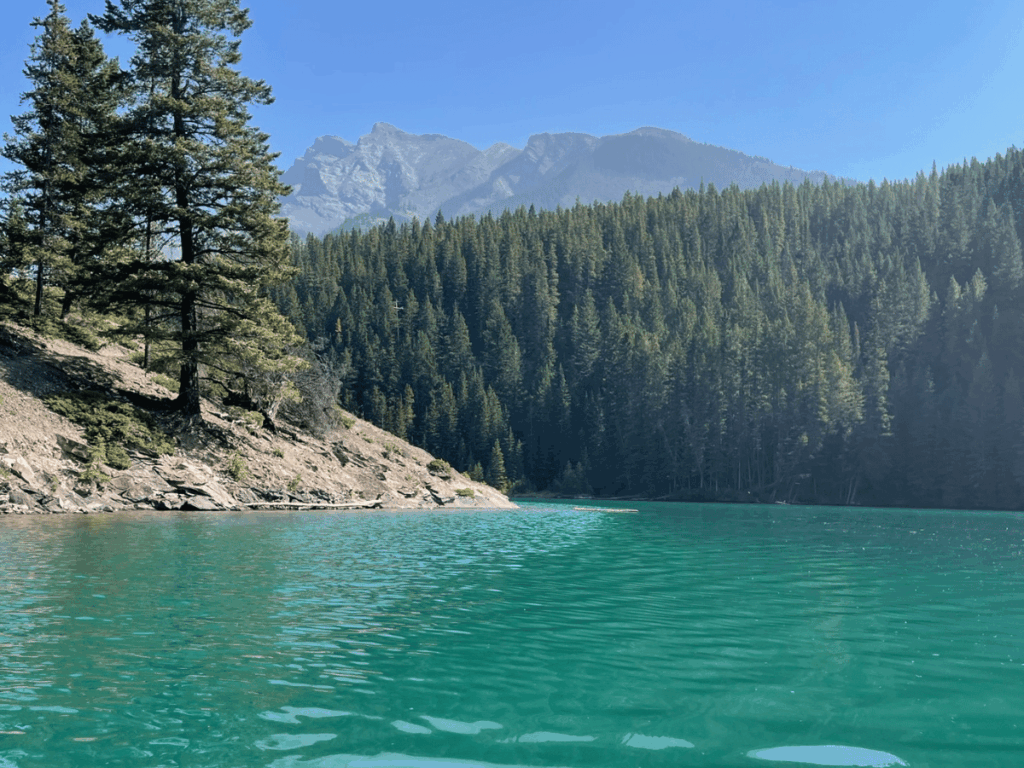
The Two Jack area features two popular frontcountry campgrounds: Two Jack Main Campground and Two Jack Lakeside Campground. Both are located on the picturesque shores of Two Jack Lake, just 13 kilometers northeast of Banff townsite, nestled between Mount Rundle and the Fairholme Range. These campgrounds offer classic Rocky Mountain scenery with turquoise waters, dramatic mountain backdrops, and easy access to Banff’s top outdoor attractions.
Two Jack Main Campground
Two Jack Main Campground is larger than its lakeside neighbor and offers a peaceful forest setting within walking distance of the lake’s shores. This campground is perfect for families and groups looking for a more traditional camping experience close to both nature and amenities.
Features:
- 380 sites suitable for tents, trailers, and RVs
- Flush toilets and drinking water taps
- Food storage lockers
- Fire pits at most sites (with firewood available for purchase)
- Kitchen shelters with picnic tables
- A short walk or drive to the lakeshore for swimming, canoeing, or kayaking
The sites here are well-spaced among tall pines, offering privacy and a classic wilderness feel. While there are no showers onsite, the town of Banff is just a short drive away.
Two Jack Lakeside Campground
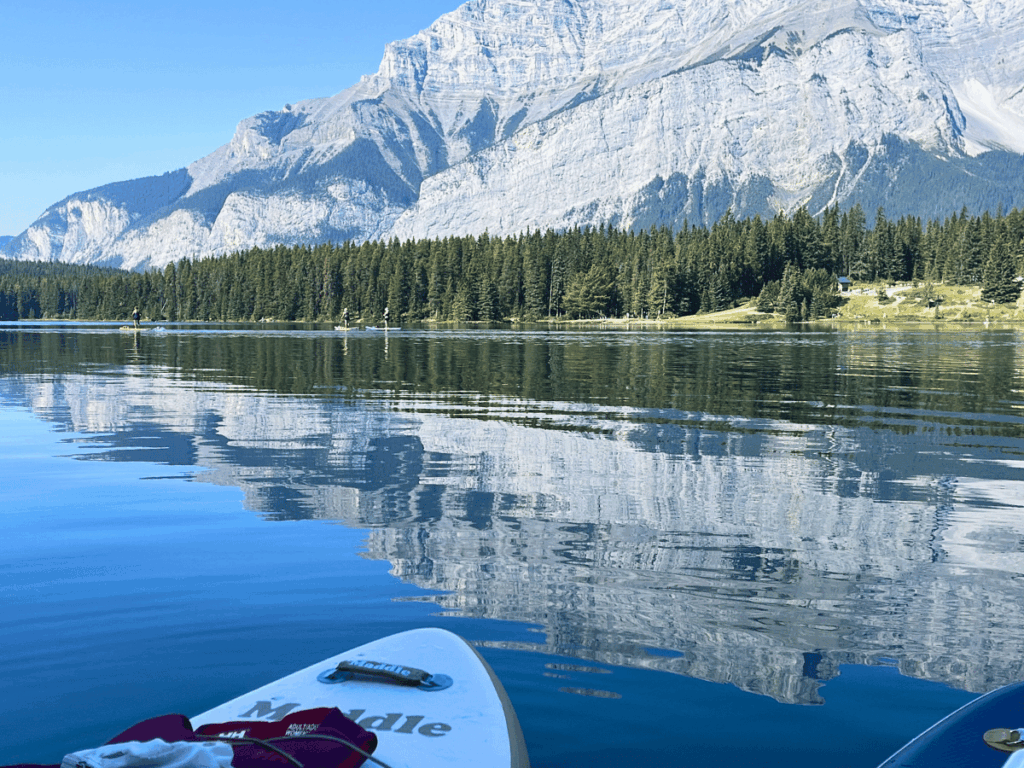
Two Jack Lakeside Campground is smaller and set right on the water, making it ideal for those wanting an intimate lakeside camping experience. Many campsites have direct views of the lake—perfect for sunrise and sunset photography with Mount Rundle reflected in clear blue-green water.
Features:
- 74 sites including walk-in tent sites along the lakeshore
- Easy access to non-motorized boat launch (canoe, kayak, paddleboard)
- Bear-proof food storage lockers at every site
- Flush toilets and drinking water taps
- Fire pits with firewood available to buy
- Kitchen shelters with picnic tables
- Recycling and trash disposal areas
The stunning location puts you close to scenic hiking trails such as the Minnewanka Loop Trail and Johnson Lake Trail. The famous Icefields Parkway starts nearby, offering endless day-trip possibilities to places like Peyto Lake or Athabasca Falls.
Both campgrounds provide a true Rockies experience—whether you prefer the forested peace of Two Jack Main or waking up beside sparkling waters at Two Jack Lakeside. Advance reservations are recommended during peak season due to their popularity.
Nearby Attractions:
- The Banff Gondola for panoramic mountain views
- Lake Louise’s iconic glacial waters
- The historic town of Banff for shopping, dining, and cultural experiences
Whether you choose Two Jack Main or Lakeside, you’ll be perfectly situated for adventure in Banff National Park.
2. Mosquito Creek Campground (Banff National Park)
Mosquito Creek campground is located along the Icefields Parkway, about 24 kilometers north of Lake Louise. This small 32-site campground offers a quieter camping experience than larger Banff campgrounds. Sitting at 1,890 meters elevation, it gives you a true mountain wilderness feel while still being close to one of the most beautiful highways in the world.
Right on the famous Icefields Parkway, Mosquito Creek Campground is easy to reach when traveling between Lake Louise and Jasper. Its closeness to Lake Louise makes it perfect for campers who want to enjoy the natural beauty of the Canadian Rockies and take in the amazing views along the Parkway. As a first-come, first-served campground, it’s great for those who like flexible plans.
The campground doesn’t require reservations, so spontaneous travelers can easily find a spot. Campsites are spaced out among trees that provide privacy and shade on sunny days. The forest setting adds to the quiet, peaceful feel that many visitors look for in the Canadian Rockies.
Basic Amenities in a Natural Setting
Mosquito Creek campground offers basic amenities without too many modern features. Each campsite has:
- A picnic table for meals and activities outdoors
- A fire pit with a cooking grate for campfire cooking
- Vault toilets (non-flush) nearby
- Bear-proof food lockers at every site
- Hand-pumped water available around the campground
There are no electrical hookups, showers, or RV dump stations here. The campground mainly suits tent campers and smaller RVs or campervans that don’t need full hookups. The largest RV allowed is about 7.3 meters (24 feet), but driving bigger vehicles on the narrow, winding roads can be tricky.
Spacious Sites and Bear Safety
Sites have mostly flat ground and enough space for tents and small RVs. Bear-proof lockers are required to store all food, toiletries, and scented items since bears are active in the area—this is an important safety measure.
If you’re considering a camping trip this summer, Mosquito Creek Campground could be a great option, offering a unique experience in the heart of nature.
Why It’s Great for Families
Mosquito Creek Campground is an excellent choice for families seeking a true Canadian Rockies adventure. This campground offers a peaceful, natural setting away from the crowds, making it easier for families to connect with nature and each other. The creekside location provides opportunities for kids to explore safely, splash in the water (with supervision), and watch for wildlife.
While Mosquito Creek is more rustic than some larger campgrounds, the campsites are well spaced out, giving families privacy and room to set up tents or small RVs. Each campsite features a picnic table and fire pit—ideal for family meals and evening campfires where you can share stories or roast marshmallows under the stars.
Vault toilets and bear-proof food storage lockers are provided for safety and convenience. If your family enjoys simple pleasures like hiking, playing near the creek, or gazing at mountain views, Mosquito Creek Campground offers an unforgettable experience without distractions.
For more details on camping in Banff National Park, visit Parks Canada’s official website.
3. Tunnel Mountain (Banff National Park)
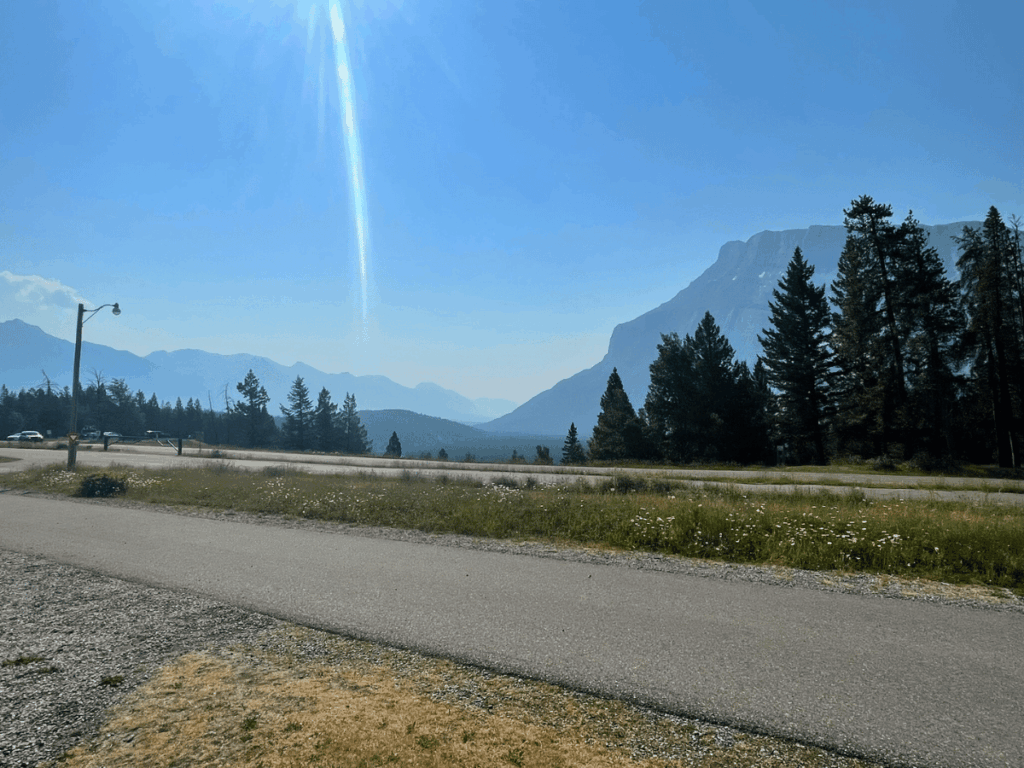
Tunnel Mountain Campgrounds are among the most popular camping options in Banff National Park, located just minutes from the town of Banff. The area is divided into three separate campgrounds: Tunnel Mountain Village I, Tunnel Mountain Village II, and Tunnel Mountain Trailer Court. Together, they offer over 1,000 campsites accommodating tents, trailers, and RVs of all sizes.
What Makes Tunnel Mountain Great
Tunnel Mountain is ideal for campers who want easy access to both wilderness experiences and urban amenities. The campgrounds are well-serviced with modern washrooms, showers, kitchen shelters, and full hookups in some areas—plus regular shuttle bus service to downtown Banff.
Families love Tunnel Mountain for its spacious sites and stunning views of the surrounding peaks. It’s also a great base for exploring nearby hiking trails, biking routes, and attractions like the Banff Upper Hot Springs or Bow Falls.
Facilities and Amenities
- Flush toilets and hot showers
- Electrical and full-service sites available
- Drinking water stations
- Food storage lockers (bear-proof)
- Kitchen shelters with stoves
- Fire pits at most sites (firewood available for purchase)
Tunnel Mountain’s combination of convenience, excellent facilities, and beautiful scenery make it a top choice for both first-time visitors and seasoned campers in the Canadian Rockies. For more information or to reserve your site, visit Parks Canada’s official website.
4. Wapiti Campground (Jasper National Park)
Wapiti Campground Jasper Park is the biggest campground in Jasper National Park, with 362 sites that suit everyone from tent campers to those with large RVs. It’s just 5 kilometers south of Jasper town along Highway 93, making it an easy spot to explore the park’s beautiful wilderness.
The campground is open from mid-May to mid-October, with July and August as the busiest months. Even though it’s large, the campground is designed so campers don’t feel crowded. Sites are spread out among tall pine and spruce trees, giving privacy and shade on hot summer days.
Facilities and Amenities
Wapiti Campground offers a range of options to suit different camping styles:
- Powered sites with 15-amp or 30-amp electricity (no water or sewer hookups at each site)
- Unserviced sites for tents or those seeking a more traditional experience
- Centralized potable water taps conveniently located throughout the campground
- Modern bathrooms featuring flush toilets and hot showers
- Kitchen shelters with wood stoves for cooking during poor weather
- Playgrounds to keep children entertained
- RV dump and fill stations available near the campground entrance for easy waste disposal and water refilling
Most campsites have paved access roads and parking pads, making them accessible for larger RVs and trailers. Each site comes with a fire pit and picnic table, and firewood is available for purchase from the camp hosts.
Great Location for Exploring the Park
Staying at Wapiti Campground puts you close to Jasper National Park’s top natural spots. It’s near the beautiful Athabasca River and close to the Jasper Skytram, one of Canada’s longest and highest aerial tramways. From there, you can ride up Whistlers Mountain for amazing views of six mountain ranges and the Athabasca Valley. Maligne Canyon and the Valley of Five Lakes are also nearby, letting you enjoy the park’s stunning landscapes.
5. Snaring Campground (Jasper National Park)
If you want to avoid crowds and enjoy a true wilderness feel, Snaring Campground in Jasper Park is a great choice. It’s about 17 kilometers north of Jasper town along Highway 16, set in a quiet forest that feels far from busy camping spots.
A Quiet Camping Experience
Snaring is one of Jasper’s remote campgrounds, offering a simple camping experience for those who value peace and quiet over convenience. The campground has 66 sites surrounded by tall pine and spruce trees, giving each site natural privacy. The feeling here is very different from Wapiti—there’s a strong sense of solitude and being close to nature that’s harder to find at busier campgrounds.
Besides its calm setting, Snaring Campground is close to rafting on the Athabasca River. Visitors looking for adventure can enjoy the excitement of rafting through rapids while taking in Jasper National Park’s beautiful scenery. This area is also known for its variety of wildlife, making it a great place to see animals like bears, moose, and bighorn sheep in the wild.
Basic Facilities
Snaring offers simple facilities that match its rustic feel:
- Vault toilets (no flushing toilets or showers)
- Hand-pumped water stations
- Fire pits at each site
- Picnic tables
- Food storage lockers to protect your food from wildlife
The campground can accommodate tents and smaller RVs, but sites are smaller than at Wapiti. RVs up to about 25 feet are allowed. There are no electrical hookups or dump stations here, so if you have a large motorhome, you’ll need to look elsewhere.
A Peaceful Setting
The main attraction of Snaring campground in Jasper Park is its peaceful atmosphere. From my visits, I’ve seen that campers here tend to be more experienced and enjoy the quiet environment. You won’t hear noisy generators late at night, and without many modern comforts, camping feels more connected to nature.
Also, the campground is close to many trails and scenic spots, making it a perfect base for exploring Jasper National Park’s wildlife. Watch carefully for bears, moose, and bighorn sheep as you hike nearby.
Great Wildlife Viewing
This spot is excellent for seeing wildlife. Located along the Snaring River, it’s a good place to spot elk, deer, and sometimes bears early in the morning or evening. Make sure to follow bear safety rules—the food lockers are required and keeping your campsite clean is very important.
You might also want to drive along the Icefields Parkway nearby. It offers amazing views and many chances to see wildlife like caribou grazing or eagles flying overhead on one of Canada’s most scenic routes.
Easy Access to Hiking Trails and Nature Spots
This location gives you easy access to many hiking trails and natural sights. The Snaring River, known for its beautiful views and outdoor activities, is nearby, offering more chances for adventure and exploration.
6. Kicking Horse Campground (Yoho National Park)
Located in Yoho National Park, Kicking Horse Campground is one of the best camping spots in the area and ranks among the top campgrounds in the Canadian Rockies. It’s close to some of the most amazing natural attractions in the mountains, like the famous Takakkaw Falls, Emerald Lake, and the impressive Natural Bridge.
Discover Yoho’s Natural Wonders
Kicking Horse Campground stands out because of its location. You’re just minutes from Takakkaw Falls, one of Canada’s tallest waterfalls at 373 meters high. It’s a short drive away, perfect for visiting early before it gets busy. The campground is also a great base for exploring Emerald Lake, where you can paddle on bright turquoise water or hike around the lake on a scenic trail.
Natural Bridge is another amazing spot just 10 minutes from the campground. This natural rock formation was shaped by the Kicking Horse River over thousands of years, showing how powerful water erosion can be. Being so close to these attractions means you can spend more time enjoying Yoho’s beauty instead of driving long distances between your campsite and the park’s main sights.
Campsite Options and Amenities
Kicking Horse Campground has 86 sites that mix rustic charm with modern comforts. You can choose from:
- Unserviced sites for tents and small RVs (up to 27 feet)
- Electrical sites with 15-amp power hookups for RVs
- Walk-in tent sites for a more private camping experience
The campground offers basic facilities like flush toilets, drinking water taps, and kitchen shelters with picnic tables. Each site includes a fire pit and picnic table so you can enjoy campfires while having access to modern conveniences. Firewood is also available for purchase on-site.
Each campsite has bear-resistant food lockers that you must use to store your food safely and avoid attracting wildlife.
Kicking Horse Campground is popular because of its great location in Yoho National Park and its amenities. Whether you’re planning day trips to see Yoho’s natural attractions like Takakkaw Falls, Emerald Lake, and Natural Bridge, or just want to relax surrounded by beautiful scenery, this campground is a perfect base for exploring the Canadian Rockies.
7. Kananaskis Interlakes Campground (Kananaskis Country)
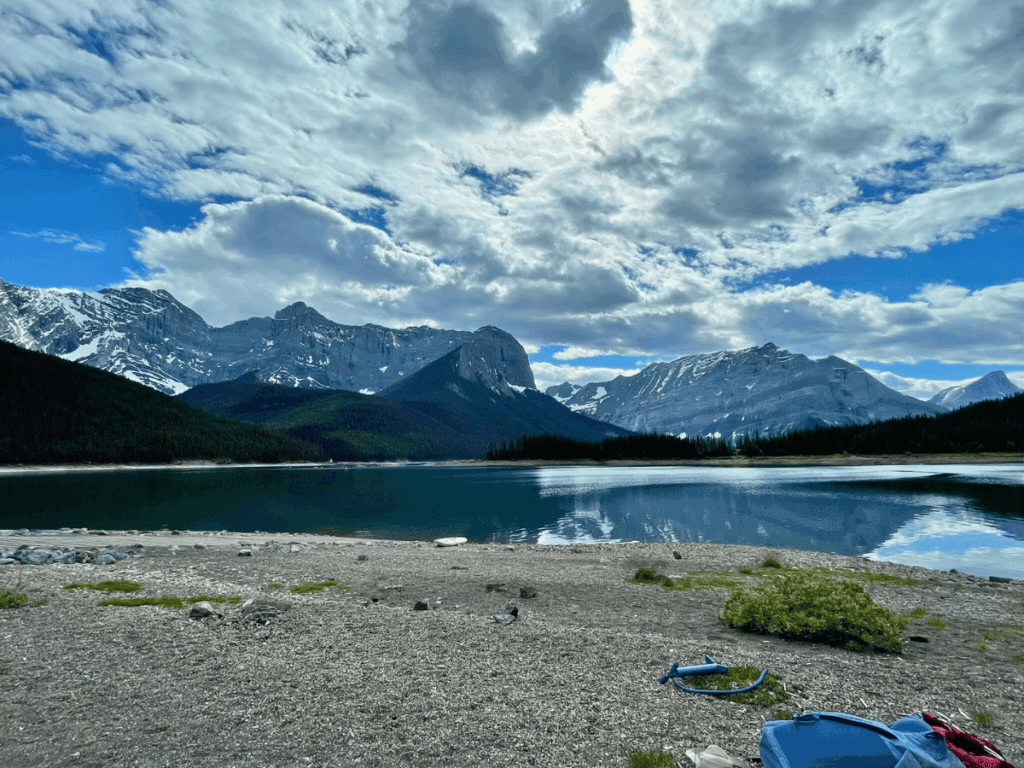
Kananaskis Interlakes Campground offers a unique experience outside the national parks but still provides stunning Rocky Mountain views. Located in Kananaskis Country between Upper and Lower Kananaskis Lakes, it gives you easy access to clear alpine waters and some of the best hiking trails in the area. It’s easy to reach from Calgary via a gorgeous scenic drive down Highway 40, with possible stops at Bow Valley Provincial Park.
The Upper Kananaskis Lake is famous for its beautiful views and clear water, while Lower Kananaskis Lake is quieter, great for fishing and picnics by the shore. Both lakes offer different but equally enjoyable experiences during your visit.
The campground’s location makes it an ideal base for exploring nearby attractions. You can walk to the lakeshore to paddleboard, fish, or simply enjoy the turquoise water surrounded by tall mountains. The Rawson Lake trail, one of the most popular hikes in Kananaskis, starts nearby and leads to a beautiful alpine lake about 3.5 kilometers away. This trail is well-loved year-round for its colorful wildflowers in spring and bright fall leaves.
Other favorite hikes close by include Burke Creek Trail, offering amazing views of both lakes and surrounding mountains, and Ptarmigan Cirque Trail, known for its challenging path and stunning panoramic views at the top.
Campsite Options and Facilities
Kananaskis Interlakes Campground offers 66 sites for both tent campers and RV users. You’ll find different types of sites, including:
- Standard spots with picnic tables and fire pits
- Pull-through spots for larger RVs and trailers
- Walk-in tent sites for more privacy
- Sites with electrical hookups for RVs needing power
The campground has vault toilets, drinking water taps, and a kitchen shelter to cook during bad weather. There are no showers, but the simple facilities fit well with the natural setting. Each site comes with a bear-proof food locker, which is important here because wildlife is common.
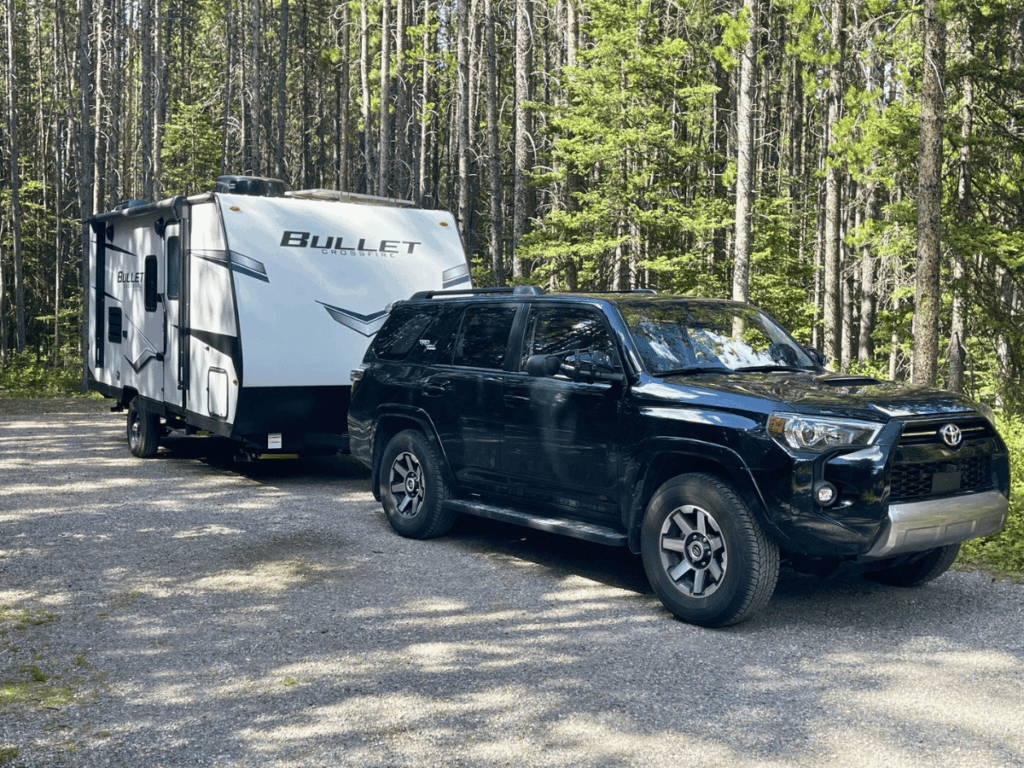
Open All Year
Unlike many campgrounds in the Canadian Rockies that close after Labour Day, Kananaskis Interlakes stays popular through the shoulder seasons. You can visit in late spring when wildflowers bloom or in early fall when larches turn golden. The campground usually runs from mid-May to early October, giving you more time to enjoy this area than many national park campgrounds.
In winter, visitors can try snowshoeing and cross-country skiing on nearby trails while staying at special winter sites that stay open all year. This lets you enjoy Kananaskis Country’s stunning snowy landscape without the crowds found in national parks that close until summer.
Planning Your Trip: Reservations, Fees, and More!
You need to plan ahead to secure a spot at these amazing campgrounds. You can’t just show up and expect a site to be available, especially in the busy summer months. Popular places like Johnston Canyon Campground and those near Moraine Lake and Lake Louise are often full because of their beautiful views and easy access. The good news is that booking campsites in the Canadian Rockies is simple once you understand how it works.
How to Book Your Campsite
Parks Canada bookings are done mainly in two ways. You can book your campsite online through the Parks Canada Reservation Service website, which is the easiest way. The website lets you check available dates, compare different campgrounds, and pick specific sites based on what you want. It shows details about each site, like if it fits RVs, if it’s close to water, and what facilities are there.
If you prefer talking to someone, you can also book by phone. The Parks Canada reservation line connects you with staff who can answer questions about campgrounds and help you find the right site. I’ve used both ways; calling is good for detailed questions, but online lets you browse and choose at your own speed.
Understanding Peak Season Demand
July and August are the busiest months for camping in the Canadian Rockies. During this peak season, popular campgrounds like Two Jack Lakeside and Tunnel Mountain Village fill up very quickly—sometimes just minutes after reservations open.
Parks Canada usually opens bookings several months ahead. For summer dates, be ready as soon as reservations start. Set a reminder, have your account info ready, and know which dates and campgrounds you want. The spots go fast.
If your travel dates are flexible, think about visiting in June or September. There are fewer people, cooler weather, and it’s easier to book a campsite. The views are still amazing, and you’ll enjoy a quieter camping trip.
Campsite Fees in the Canadian Rockies
Fees can shift quite a bit depending on where you’re staying and the perks your site offers. Here’s a handy breakdown so you know what to expect before rolling in and setting up camp:
- Basic Tent Sites: Perfect for those who pack light and love simplicity!
- Average cost: $15–$22 CAD per night
- Includes a spot for your tent, access to shared washrooms (usually with flush toilets), and sometimes picnic tables and fire pits.
- No hookups or electricity—just you and the mountains!
- Serviced Sites: Great if your RV needs a little extra power or water.
- Generally range from $28–$40 CAD per night
- Commonly include electrical hookups (and sometimes water or sewer), ideal for trailers, campervans, or motorhomes.
- Walk-In or Wilderness Sites: For the adventurers who don’t mind hiking in with their gear!
- Cost: $11–$18 CAD per night
- Usually more remote with fewer amenities—expect pit toilets and no running water.
Tip: Firewood is not included. In Banff, you can purchase a fire permit for $12 CAD/night, and in Lake Louise, the fire permit is $17 CAD/night if you want to cozy up by the campfire!
Reservation Fees:
Don’t forget there’s typically a non-refundable reservation fee when booking online or by phone—usually about $13.50 CAD per booking.
- You can check exact prices and availability for each campground on the Parks Canada Reservations website. Rates can change slightly each season, so it’s always best to double-check before planning your stay!
Your Ultimate Guide to Camping in the Beautiful Canadian Rockies!
You have the info and your bookings—now it’s time to enjoy the 7 best campgrounds in the Canadian Rockies. These spots aren’t just places to set up your tent—they’re gateways to some of the most stunning wilderness areas.
1. Two Jack Lakeside: Beautiful Lake Views
Two Jack Lakeside offers stunning lake views that will impress your friends on social media.
2. Mosquito Creek: True Mountain Camping Experience
Mosquito Creek gives you a real mountain camping feel where you can unwind completely.
3. Tunnel Mountain Village: Great for Families
Tunnel Mountain Village has all the amenities families need for a comfortable stay.
4. Wapiti: Plenty of Space in Jasper’s Wilderness
Wapiti offers lots of room for everyone right in the heart of Jasper’s wild area.
5. Snaring: Peaceful Spot Away from Crowds
Snaring is perfect if you want quiet and solitude away from busy areas.
6. Kicking Horse: Ideal Base for Exploring Yoho
Kicking Horse is a great starting point for discovering Yoho National Park’s hidden treasures.
7. Kananaskis Interlakes: Easy Access and Beautiful Nature
Kananaskis Interlakes offers a great mix of easy access and stunning natural beauty.
Why Camping in the Canadian Rockies is Unforgettable
I’ve camped all over the Canadian Rockies, and it truly changes you. Waking up to fresh mountain air, making coffee as the sun rises over the peaks, and falling asleep to the sound of a nearby creek is special. You start to slow down and notice things you usually miss—the way sunlight shines through pine trees, the call of a loon across the water, and the fresh smell after mountain rain.
Here’s what makes these campgrounds so special:
- Hiking trails right at your campsite
- Wildlife sightings that remind you to stay safe around bears
- Clear night skies where you can easily see the Milky Way
- Other campers who love nature as much as you do
- Scenery that changes with every hour of the day
You’ll make memories here that last long after you pack up. Maybe it’s spotting an elk near your tent one morning, or gathering with family around a fire sharing stories in the evening. It could be a quiet hike where you finally find peace.
The Canadian Rockies offer more than just camping—they offer a chance to change how you feel. While exploring this amazing area, consider planning a trip that includes scenic drives between Banff and Jasper, fun family activities at lakes like Lake Louise, and trying some of the best food spots in Jasper and Banff. You’ll come home with plenty of great photos and unforgettable experiences.
What are the main differences between frontcountry and backcountry camping in the Canadian Rockies?
Frontcountry camping in the Canadian Rockies usually has facilities like washrooms, picnic tables, and fire pits, making it easier and more comfortable for campers. Backcountry camping is more remote and undeveloped, so you need to prepare more, including getting a Wilderness Pass and booking specific sites, as there are few or no facilities.
Why do I need a Discovery Pass for camping in the Canadian Rockies, and how do I buy one?
A Discovery Pass is required for all visitors to national parks in the Canadian Rockies because it lets you use park facilities and helps protect the parks. You can buy a pass online on Parks Canada’s website or at park entrances. Prices vary depending on how long you need it and the type of pass.
What safety steps should I take when camping in bear country in the Canadian Rockies?
When camping where bears live, always carry bear spray, store food safely using bear-proof lockers or by hanging it from trees, follow rules about campfires, and throw away trash properly. These actions help keep you safe and reduce chances of meeting wildlife.
Which campgrounds in the Canadian Rockies are best for families and groups?
Tunnel Mountain Village Campground in Banff National Park is popular with families and groups because it offers showers and picnic tables. Other good options include Two Jack Lakeside campground, which has beautiful views and easy access to hiking trails—great for family-friendly camping.
How can I book campgrounds in the Canadian Rockies, especially during busy times?
You can book campgrounds in the Canadian Rockies online or by phone through Parks Canada. It’s best to plan early and reserve your spot ahead of time, especially in July and August when many people visit. Campsite fees usually range from $15 to $38 CAD per night.
Why is Kananaskis Interlakes Campground popular with campers?
The Kananaskis Interlakes Campground is popular because it’s close to lakes, hiking trails, and works well for both tents and RVs all year. Located in Kananaskis Country, it offers beautiful nature and many outdoor activities. If you’re new to the area, backcountry hiking here can be a special and enjoyable experience.
FAQs (Frequently Asked Questions)
What are the best campgrounds to consider in the Canadian Rockies?
Some of the best campgrounds in the Canadian Rockies are Two Jack Lakeside, Mosquito Creek, and Tunnel Mountain Village in Banff National Park; Wapiti and Snaring Campgrounds in Jasper National Park; Kicking Horse Campground in Yoho National Park; and Interlakes Campground in Kananaskis Country. These places offer options from quiet wilderness sites to spots that welcome RVs with modern facilities.
Do I need a pass or reservation to camp in the Canadian Rockies national parks?
Yes, you need a Discovery Pass to enter national parks like Banff, Jasper, Yoho, and Kootenay. This pass doesn’t cover campground fees, which you must pay separately. It’s best to book your campsite months ahead, especially in July and August, since popular spots fill up fast. You can make reservations online or by phone through the Parks Canada Reservation Service.
What facilities and amenities can I expect at frontcountry campgrounds in the Canadian Rockies?
Frontcountry campgrounds usually have drive-in access and modern facilities like:
- flush or vault toilets
- picnic tables
- fire pits (sometimes with firewood for sale)
- drinking water taps
- bear-proof food lockers
- kitchen shelters with wood stoves or picnic tables
- playgrounds for kids
- electrical hookups at some sites (especially for RVs)
- hot showers at places like Tunnel Mountain Village and Wapiti Campground
- recycling bins
- parking spots
How should I practice bear safety while camping in the Canadian Rockies?
Bear safety is very important when camping here. Always carry bear spray where you can reach it easily; it sprays 7-10 meters and should be used in short bursts aimed downward if a bear comes close. Keep all food, toiletries, cooking gear, trash, pet food, and coolers stored in bear-proof lockers at frontcountry campsites. If you’re camping in backcountry areas without lockers, hang your food properly away from your tent. Follow park rules for waste disposal and never feed any wildlife.
What kinds of camping can you do in the Canadian Rockies?
The Canadian Rockies offer many camping options, from frontcountry camping—where you can drive to sites with modern facilities—to backcountry camping, which involves hiking, biking, or paddling to remote spots with few amenities and more privacy. Frontcountry campgrounds have comforts like restrooms and picnic areas, while backcountry camping is more rugged and requires a Wilderness Pass.
Which campgrounds are good for families and groups?
Family-friendly campgrounds include Tunnel Mountain Village Campground and Two Jack Lakeside Campground in Banff National Park. These places have kid-friendly features like playgrounds, kitchen shelters with picnic tables for group meals, flush or vault toilets, drinking water taps, fire pits (with firewood for sale at some spots), easy family-friendly hiking trails, beautiful views such as the lake reflections of Mount Rundle at Two Jack Lakeside, and are close to town services within walking distance at Tunnel Mountain Village.