
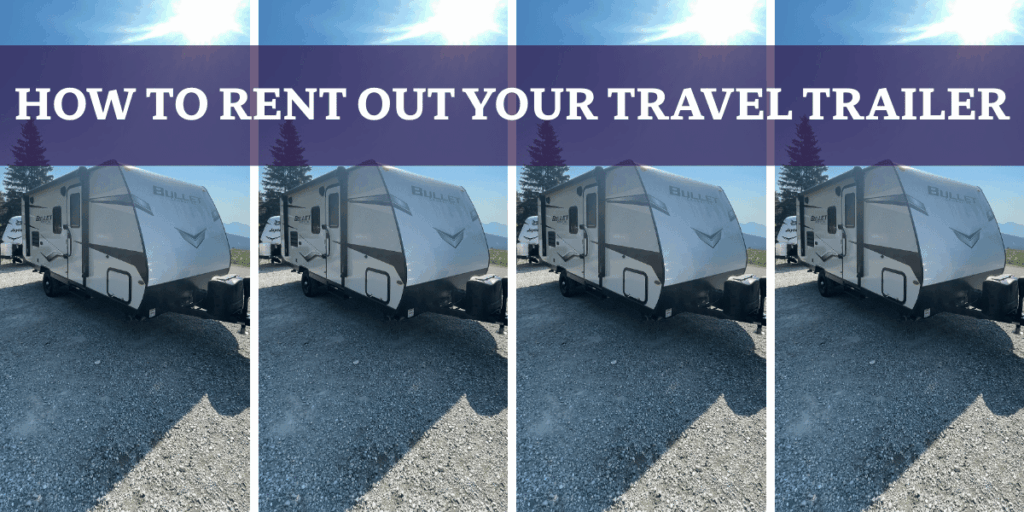
Want to learn how to rent out your travel trailer or RV? If you own one, you probably know the feeling. You use it a few weekends or trips a year, and then it just sits—whether in the driveway, storage, or a “I’ll get to it later” spot. Renting it out is an easy way to make extra money without selling it and helps avoid storage fees.
Making extra cash with your RV can be great, especially during busy camping seasons, long weekends, or big local events. But keep in mind: it’s not completely hands-off. You’ll need to answer messages, handle pick-ups and drop-offs, clean, and sometimes help renters with things like turning on the water pump.
Still, once you set up a routine, it gets much easier.
This Post Is All About How To Rent Out Your Travel Trailer
The Basic Process of Renting Out Your RV
Here’s the basic process:
- Pick how you want to rent it out (through a rental site or rental company)
- Set your rental prices and any extra fees
- Create a listing that attracts good renters
- Screen potential renters
- Get the right insurance and protections
- Do a clean handoff and walk-through
- Check everything after each rental, reset, and repeat
Why Renting Out Your Travel Trailer or RV is a Smart Way to Earn Extra Money
The main idea is simple: your RV earns money when you’re not using it.
This works well for:
- RV owners whose trailers sit unused between trips
- People who camp only part of the year
- Anyone who wants extra income without buying another RV just for rentals
The benefits are clear: you can cover payments, insurance, storage, maintenance (and maybe even buy new accessories), plus still make some profit. Speaking of accessories, consider checking out some of the best travel trailer accessories.
The downside is real too: renters are people. Some are great. others are new and unsure. Some might test your patience. The goal is to create a process that finds good renters and protects you from problems.
To get the most from renting your trailer, it’s important to know it well—from finding the VIN number to knowing which batteries work best. If you’re thinking about buying a new trailer or upgrading yours, having a solid checklist can really help.
First Things to Do Before Your First Rental (So You Don’t Regret It)
Before you list your RV, make sure it’s truly ready to rent. Not just “we used it last summer” ready, but “a stranger can use this without me worrying” ready.
Check That Your RV Is Mechanically Ready
Even if it’s a towable trailer, do a safety check:
- Tires (age, tread, cracks, proper pressure)
- Brakes and breakaway system
- All outside lights
- Propane system and check for leaks
- Batteries charged and holding power
- Water system working (pump, city hookup, no leaks)
If you’re unsure, pay for a quick inspection at an RV service shop. It’s cheaper than dealing with problems or bad reviews later.
Set Up a Basic “Rent-Ready” Kit (But Don’t Overfill It)
Think of it as a “starter kit,” not a fully stocked Airbnb pantry.
Good basics to include:
- RV-safe toilet paper (one to three starter roll)
- A small stack of trash bags
- Black and grey water tank treatment
- Sewer hose plus supports if you use them
- Fresh water hose and pressure regulator
- Power adapter(s)
- Leveling blocks
- Wheel chocks
Understanding the basics of RVs helps make things easier for both you and the renter.
For detailed info on how to operate and maintain your RV, check out your RV’s owner’s manual. It covers everything from simple tasks to advanced troubleshooting.
Avoid leaving personal or expensive items in the RV. Renters sometimes lose things—it happens.
Remove personal belongings and valuables
Take out:
- Tools you care about
- Family items, paperwork, mail
- Anything sentimental
- Extra electronics, expensive cookware, etc.
Decide what stays locked in compartments. If you have a locked pass-through or tongue box, use it.
Decide where your RV stays between bookings
Parking in your driveway is easy, but consider:
- Security
- HOA rules
- Neighbor complaints
- Easy access for pickup
A storage lot is how I store my trailer. Its great because you can store during times your don’t use it, not renting out, or in my case…For the winter off season.
Set your rules early
Make clear rules now so you’re not deciding during a booking:
- Pets allowed or not
- Smoking (I suggest no smoking)
- Festivals and tailgates (these cause extra wear and tear)
- Off-road or forest service roads (decide what’s okay)
- Where renters can travel (some owners limit to certain states or provinces)
Put these rules in your listing and in messages before rentals.
I personally allow pets for a fee, depending on size. However, I do not allow smoking, festivals or tailgating.
Choose the easiest way to rent: rental marketplace vs rental companies
You have two main options:
- Rental marketplace (RV rental platforms): You list the RV and handle bookings and handoffs yourself.
- Rental companies/services: They manage renters, logistics, sometimes storage and cleaning, but you give up some control and earnings.
Marketplace pros and cons
Pros:
- More control over rules and renters
- Potentially higher income from rentals
- Reviews help build your reputation
- You can offer extras like delivery, linens, or gear for extra income
Cons:
- Requires more work from you as the owner
- Platform fees apply to transactions
- You handle most customer service yourself
Rental company pros and cons
Pros
- Less daily work
- Sometimes they handle cleaning and inspections
- Fewer messages and screenings for you
Cons
- Lower earnings
- Less control
- Policies may be the same for everyone
What to compare before choosing
No matter what you pick, compare:
- Demand in your area
- Platform fees and payout timing
- Insurance and liability coverage (look for options like $1 million liability insurance)
- Roadside assistance (preferably 24/7)
- Quality of customer support
- How deposits and damage claims are handled
Rental Platforms (what I use for my trailer rentals)
I rent my trailer through rental platforms because it’s the easiest way to stay in control while getting steady bookings.
The two big platforms I recommend starting with are:
Why I like platforms for a travel trailer
Platforms make things easier by offering:
- Built-in booking calendar
- Messaging all in one place
- Payment processing
- Reviews (important for long-term success)
- Identity checks and trust features
If you set up your listing well, you can avoid 80% of repetitive questions.
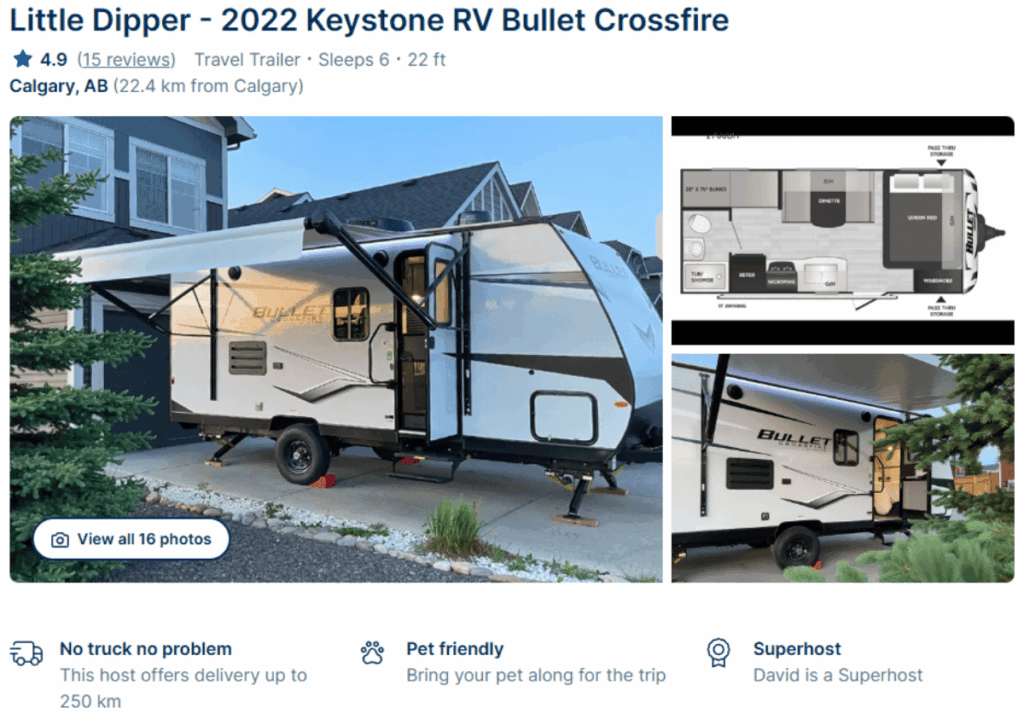
Pick the right RV rental platform for your area and style
RVezy
RVezy is very popular in Canada and also works in the US. It feels made for regular RV owners, not just big rental companies.
Key features on RVezy:
- Booking and messaging system that keeps everything recorded
- Secure handling of deposits and payments
- Platform protections and insurance options (look for full RV rental insurance)
- Clear cancellation policies
If you want an easy way to manage bookings and messages from your phone, the RVezy app makes it simple.
Outdoorsy
Outdoorsy is well-known, especially in the US. Many renters check it first, which is good for owners.
Important Outdoorsy features to compare:
- Demand in your area (search your city to see how many listings there are)
- Insurance options (including $1 million liability insurance)
- Availability of roadside assistance (look for 24/7 help)
- Customer support response times
My advice: Use both platforms, search your local area, and see how booked similar trailers are. Real demand says more than any marketing page.
Additional Tips: Picking the Right Tires
When renting an RV or trailer, don’t forget to check the tire quality. The best RV trailer tires can make your trip safer and help save fuel. Always inspect the tires before you start your journey!
Insurance, Liability, and Peace of Mind (Don’t Skip This)
Many people overlook this and regret it later. When renting an RV, it’s important to know about different types of RV insurance, including rental insurance coverage and liability options that protect you if there’s an accident or damage.
Personal RV Insurance vs Rental Coverage
Your personal RV insurance usually doesn’t cover commercial rentals. Even if it seems to, you don’t want to find out during a claim. Look for a policy with at least $1 million in liability coverage for good protection.
Make sure you know:
- Who covers you during the rental
- What the deductible is
- What damage is covered (inside, outside, tires, awning, roof, etc.)
- If liability coverage is included
- How claims work and what proof they need
If unsure, call your insurer and ask:
“Am I covered if I rent my RV to someone for money?”
Why Liability Coverage Is Important
Damage to the RV is one thing, but liability is more serious. If someone gets hurt, there’s an accident, or property is damaged, you want clear liability protection. Make sure your rental agreement includes full liability coverage to protect you from these risks.
Clearly Define Renter Responsibilities
Include these in your listing and remind renters before pickup or dropoff:
- Fuel/propane refill rules and fees
- Dumping tanks or dump fees
- Late return charges
- No smoking policy and penalties for breaking it
- Pet rules and fees
- Cleaning fees
For an example: I charged around $70 CAD to refill one 20lbs propane tank if they bring it back empty. And $225 to empty the black and grey water tanks.
Things you will need to factor into your fee guide, especially using a rental platform such as RVezy or Outdoorsy is their commission, cost of sani dump ($15-$25 per dump in my area) and your time and gas.
Privacy basics (if you collect renter info)
If you collect IDs, phone numbers, or other sensitive info:
- Only ask for what you really need
- Keep it safe (don’t store in shared photo albums)
- Delete it when you don’t need it anymore
Also, try to keep all communication within the platform to avoid dealing with screenshots later.
I highly recommend to keep all communication within the rental app. Its important to have all your documentation in one place if ever there is an issue.
Additional Considerations
When renting out your RV, think about extra things like having the right surge protector to avoid electrical damage. Check out options like the best surge protector for RV to protect your RV.
It also helps to know the differences between materials used in RVs, such as aluminum vs fiberglass RV, since each has pros and cons that might affect your rental choice.
Create a pre-trip and post-trip checklist
This helps keep any disputes fair and not personal.
Your checklist should include:
- Photos/videos of inside and outside
- Awning condition
- Tires and wheels
- Hitch and safety chains
- All tanks and their levels
- Any existing scratches or dents
Set clear protections: security deposit, rules, and a solid agreement
A security deposit isn’t about being strict—it’s about making expectations clear.
The rental platform companies have great security deposit agreements which you do have some control over. They also act as a neutral party when it comes to security deposits and potential payouts.
How to set up a security deposit:
Be clear about:
- What it covers (damage, missing items, extra cleaning)
- When you charge or hold it
- When you’ll refund it (for example, within 48–72 hours after inspection)
Rules that save you money:
At least be clear on:
- Smoking (I recommend a firm no)
- Pets
- Festival use
- Off-road driving rules
- Who can tow (only the renter listed on the booking)
Understanding leases and renting basics can also provide valuable insights into setting up your rental process effectively.
Create an RV listing that attracts the right renters
Renters decide quickly. Your listing should answer their main questions right away.
They want to know about:
- Clear, accurate photos (15 plus high quality photos)
- How many people can sleep
- Towing needs (for trailers)
- What’s included with the rental
- Total costs and fees
Also, highlight important features that make your RV special, like:
- Fully stocked kitchen (pots, pans, utensils)
- Comfortable beds
- Outdoor gear (chairs, grill)
- Entertainment options (TV, stereo)
- Heating and air conditioning
Photo checklist (don’t miss these)
Take photos in good daylight, using wide angles if possible:
- All sides of the exterior
- Close-up of tires
- The hitch area
- Awnings extended
- Wide shots of the interior from different angles
- Beds set up
- The kitchen, bathroom, and shower
- Storage spaces
- Control panels (power, water, thermostat)
Good photos attract better renters. It shows you’re organized and trustworthy.
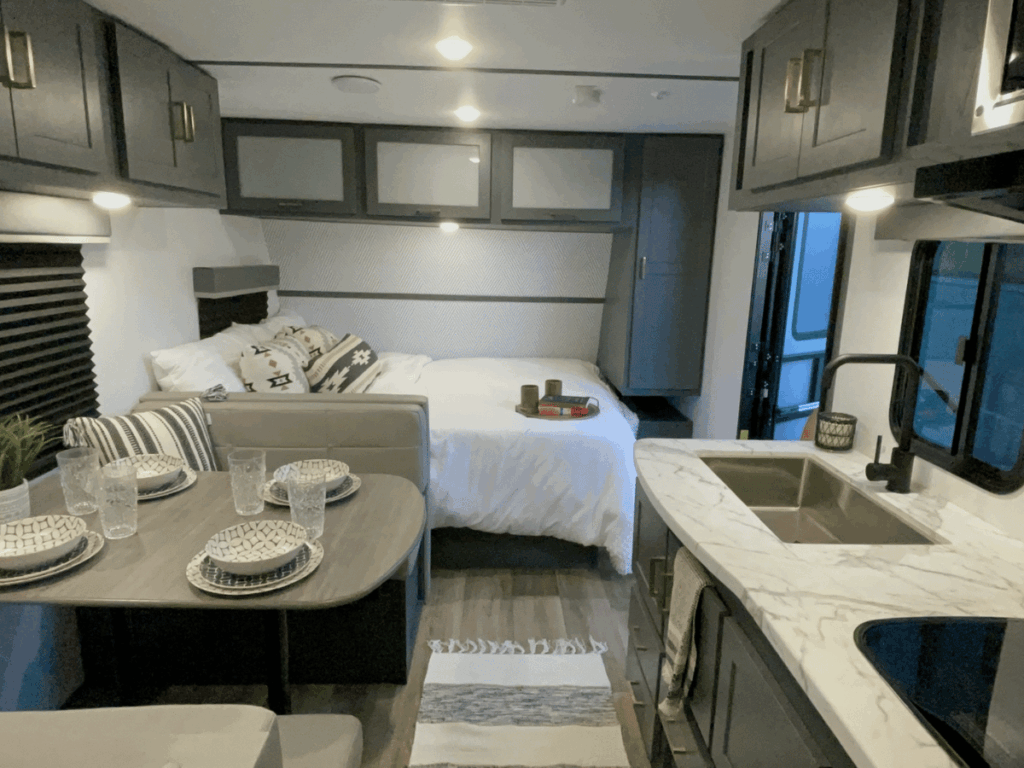
I had staged my photos as if it was an AirBnb. I wanted to earn more money than other listings and attract the right kind of renters.
Fees renters expect (and dislike)
Common extra fees include:
- Delivery and setup
- Dumping waste tanks
- Refilling propane
- Linen rental
- Pet fees
- Generator usage hours (if needed)
Be clear about all fees upfront. Surprise charges lead to bad reviews.
When a cleaning fee is fair
A cleaning fee makes sense if:
- You thoroughly clean between renters
- You disinfect, wash linens, and restock supplies
- You save renters time by doing this work for them
Explain what the cleaning fee covers and what it doesn’t. For example: “Cleaning fee does not cover dumping tanks or heavy messes.”
Start with competitive pricing, then raise rates
For your first bookings, price your RV slightly below similar local listings to get reviews fast. After a few good reviews, you can increase your rates and still stay booked.
Finally, clearly state your rental rules such as:
- No smoking policies
- Safety rules
- Cancellation terms
- Mileage limits
- The renter’s responsibility for damages
Price it right: rental rates, fees, and what to charge extra for
Pricing depends on your local area. The easiest way is simple but works well:
- Look up similar RVs nearby (same size, year, features).
- Compare rates for busy season and slow season.
- Charge more for weekends and holidays.
Your real calculation is:
Nightly rate + extras – rental platform fees- cleaning – maintenance – storage = profit
Remember: even if your RV is paid off, wear and tear costs money. Also, keep in mind any commission fees when setting your prices.
I started renting my trailer at $125 per night with a minimum of 3 nights. This was on the higher end of the rental market, but the demand was there. I now charge $148 per night which is still inline with market pricing.
Screen potential renters without feeling awkward
Screening helps protect your RV, saves your time, and reduces stress.
Use the platform’s tools if they’re available:
- ID verification
- Background checks (if offered)
- Verified payment methods
Questions to ask before approving
Keep it simple and friendly:
- Where are you going? (Campground name if you know it)
- How many people will be with you?
- Are you bringing any pets?
- If towing, have you done this before? What vehicle will you use?
- What time do you plan to return?
Warning signs
- Unclear plans or “not sure yet” answers
- Pushing you to approve quickly
- Refusing to follow rules
- Tow vehicle not strong enough
- Trying to move talks off the platform right away
Keep all communication on the marketplace. Having records is important.
Get ready for pickup day: a handoff process that avoids most problems
The day of pickup can make or break your rental. Make sure your RV’s features are in good shape and clearly listed in your description.
Do a walkthrough like a mini orientation
Cover:
- Power, water, and sewer hookups
- Water pump vs. city water
- Tanks and tank valves
- Leveling and stabilizers
- Slide-outs and awning (if you have them)
- Thermostat and basic controls
- Brake controller info (if needed)
- How to contact you if they get stuck
Document condition with time-stamped photos/video
Take a quick video walkaround plus key photos of:
- Exterior corners
- Awning
- Tires (don’t miss or skip this one!)
- Interior floors and upholstery
- Inside fridge, microwave, sink area
- Bathroom and shower
This helps avoid disputes later.
Provide essentials that reduce support calls
Keep these items always in the same place to reduce “help” messages:
- Sewer hose
- Fresh water hose
- Pressure regulator
- Surge protector
- Leveling blocks
- Basic toolkit
- Spare fuses
Consumables policy
Leave small starter packs of:
- Toilet paper (I leave 3 rolls. The last thing I want is non RV rated toilet paper going into the tanks)
- Trash bags
- Cleaner
Make it clear renters replace anything they use beyond the starter amount.
Use labeled bins
This is very helpful. Create bins like:
- “Hookup Kit”
- “Kitchen Basics”
- “Cleaning Starter Kit”
It helps renters return items properly and makes resetting easier for you.
Stock smart (and keep it consistent between renters)
Consistency makes managing easier. Keep a master inventory list with essentials like:
- Hoses and adapters
- Basic utensils and cookware pieces
- -Outdoor mat (optional but useful)
- -Basic first aid kit
Avoid constantly adding new items so you don’t have to keep replacing things. For more tips on managing rentals, check out common landlord advice here.
Offer RV delivery service for renters
Consider offering an RV delivery service to improve their experience by:
-Dropping off the RV at their location before the trip.
-Picking up the RV after their stay for a smooth handoff.
-Setting up essential hookups when you arrive to make things easier.
-Giving a quick orientation during delivery to explain key features and answer questions.
Camper pick-up and drop-off process
Clearly explain the camper pick-up and drop-off steps:
Pick-up:
- Schedule a pick-up time with the renter.
- Do a thorough walkthrough to check all essentials are there.
- If delivering, confirm all hookups are connected before leaving.
- Review operating instructions again to make sure renter understands.
- Ask renters to return the camper with a full gas tank (if applicable).
Drop-off:
- Arrange a drop-off time that works for both of you.
- Inspect camper for damages or missing items.
- Talk about any issues that came up during their stay.
- Make sure cleaning is done before finalizing the return.
During the rental: reduce damage, stress, and late-night calls
You want renters to feel supported but not to call you for every little thing.
Set communication boundaries
Let them know:
- The best times to text you
- What counts as an emergency (like leaks, propane smell, accidents, or brake problems)
Encourage using the guidebook first
Create a simple guide that includes:
- How to set things up
- Photos of important controls
- Troubleshooting tips (for water pump, battery cutoff, propane, fridge)
Ask renters to check the guide first and only message you with photos if they still need help.
If something goes wrong
Stay calm and keep records:
- Take photos
- Write down what happened
- Save receipts
- Keep all messages on the rental platform if possible
Be clear with renters about their responsibilities for damage and repairs. Make sure they know to report major issues right away and that they might have to pay for repairs depending on the damage.
Return day and turnover: inspections, cleaning, and getting great reviews
Return day is when you protect your RV and your rating.
Post-trip checklist
Check for:
- Tank levels and whether tanks have been emptied
- Any strange smells
- Stains or damage
- Missing items
- The condition of the awning
- Tires condition
- A quick roof check if it’s safe to do so
If you find any damage, take detailed photos and notes. Talk with the renter about what you found and any repair costs or security deposit deductions. Keeping good records helps make this process smooth and clear for everyone.
Charge fairly (and only with proof)
If you add extra fees:
- List them clearly in your rules
- Provide photos as evidence
- Keep communication professional and brief
- Fair charges lead to better reviews and renters.
Cleaning workflow
Decide if you will:
- Clean yourself
- Hire someone else
- Charge a cleaning fee for your time
- Always do these basics:
- Restock starter supplies
- Wipe down surfaces
- Check fridge for odors
- Sweep floors
- Sanitize the bathroom
Handle minor damage professionally
Most renters don’t mean to cause damage. Stay calm and clear when addressing small issues to protect your reviews.
Request reviews the right way
Send a short message:
- Thank them
- Mention something they did well (e.g., returned on time, kept it clean)
- Ask for an honest review to help small owners
Marketing beyond rental platforms: fill your calendar faster
Rental sites are helpful, but simple marketing can boost your bookings.
Social media ideas that actually work
- Post in local camping groups (follow their rules)
- Share Instagram reels showing a full setup tour
- Offer seasonal deals (early spring, fall colors weekends)
- Use Facebook Marketplace only if allowed by local laws and platform rules
Offer niche options
- “National parks-ready kit”
- “Tailgate setup package” (if you allow it)
- “Couples weekend” — simple, clean, easy-to-use rig
Build repeat renters
Repeat renters are valuable. To keep them coming back:
- Give a small discount on returns
- Make pickup easier each time
- Keep the RV clean and consistent
Track What Works
Keep track of:
- Where each booking comes from
- Which add-ons sell best
- Which weekends get booked first
Know Your Numbers: What You Can Realistically Earn and What Cuts Into Profit
This is the point where some people make a nice side income, while others quietly give up.
Estimate Your Monthly Rental Income
A simple formula:
(Average nightly rate × booked nights) – fees – cleaning – maintenance – storage = net profit
Seasonality Is Real
The camping season brings most of your income. Plan ahead for:
- Off-season storage
- Battery upkeep
- Getting your RV ready for winter and spring
Set Aside Money for Repairs
Even a small fund helps reduce stress. Costs like tires, bearings, brakes, batteries, awnings, and plumbing can add up.
Price to Cover Long-Term Wear and Tear
If your price only covers immediate costs, you might feel the pinch later when parts need replacing sooner than expected.
Choose Your Growth Path
Some owners prefer to keep things small and simple. Others grow into a full rental business. Both are okay—just be clear about what you want.
Wrap-Up: A Simple Plan to Get Your First Booking This Week
If you want your first booking quickly, follow this checklist:
- Make sure your RV is ready (or schedule an inspection). Consider waxing it for easier upkeep using the best wax for RVs.
- Choose a rental platform (I recommend RVezy and Outdoorsy). You can also try options like RVshare (US only) to reach more renters.
- Check that your insurance covers rentals and liability.
- Set your deposit amount, rules, and renter responsibilities.
- Take great photos and publish your listing.
- Set competitive prices for your first few bookings.
- Share your listing with local groups and friends who enjoy camping.
After each rental, improve one thing—better guidebook, smoother handoff, cleaner storage system, clearer add-ons. Over time, good reviews help you raise prices and attract better renters.
FAQ
How much money can I make renting out my travel trailer or RV?
It depends on your nightly price and how many nights you rent it out. Many owners aim to cover fixed costs first (like payments, insurance, and storage) and see any extra as profit. Your location and the season also make a big difference.
Is renting out my RV considered passive income?
Not really. It can feel somewhat passive once you have good systems in place, but you’ll still need to handle messages, cleaning, handovers, and maintenance.
Do I need special insurance to rent out my RV?
Usually, yes. Personal RV insurance often doesn’t cover rentals for business. Check what insurance your rental platform offers and confirm everything before your first booking.
What’s a fair security deposit amount?
This depends on how much your RV is worth and what’s common on the platform you use. The most important thing is to be clear about what the deposit covers and how quickly you’ll return it after checking the RV. Typically what you see is $500 – $1000. Any higher, you should be going through insurance.
Should I allow festivals or tailgating rentals?
Only if you’re okay with more wear and tear and charge higher rates. Many owners don’t allow these because they come with more risk.
How do I prevent damage during rentals?
Screen renters carefully, set clear rules, do a thorough walkthrough, use labeled bins, and take photos before and after each rental. This helps avoid problems and makes it easier to handle claims if anything happens.
Should I offer delivery and setup?
If you can, it’s a simple way to earn more money and attract new renters. Just make sure to charge enough to cover your time, fuel, and effort. Common pricing is typically around $2.50 – $3.00 per KM or $4.00 – $4.75 per Mile
FAQs (Frequently Asked Questions)
Why is renting out my travel trailer or RV a great way to make extra money?
Renting out your travel trailer or RV lets you make extra cash from something that usually sits unused between trips or camping seasons. It turns your RV into a way to earn passive income while you still own it.
What should I do before renting out my travel trailer for the first time?
Before your first rental, make sure your RV is in good working order by checking tires, brakes, lights, propane, and batteries—consider getting a professional check-up. Stock basic supplies like toilet paper and kitchen items but avoid personal stuff. Remove valuables, decide where to store the RV between rentals, and set clear rules for renters like pet policies and off-road limits.
What are the differences between using rental marketplaces versus rental companies to rent out my RV?
Rental marketplaces give you more control and can earn you more money but need more of your time and charge fees per booking. Rental companies handle more tasks like cleaning but take a bigger share of the income, have stricter rules, and give you less control. Choose based on how much time you have, how comfortable you are with renters, local demand, if you’re willing to deliver the RV, and insurance options.
How do I pick the best RV rental platform for my location and needs?
Compare platforms based on local demand, fees, payout speed, insurance, roadside help, and customer service. Choose ones with features that make renting easier, like background checks, ID verification, secure payments, deposit handling, messaging tools, and clear cancellation rules. Be wary of any hidden costs – it’s essential to thoroughly understand the fee structure. Apps like Rvezy can help you manage bookings and communication smoothly.
What insurance do I need when renting out my travel trailer or RV?
Know the difference between personal RV insurance and commercial or rental coverage. Liability insurance is important to cover any damage or accidents caused by renters. Make sure your policy covers collision, theft, vandalism, renter damage, and possible income loss during repairs. Check all policy details before your first rental and consider adding roadside assistance for renter safety.
How can I make an RV listing that attracts the right renters?
Use clear photos showing all outside angles, tires, hitch area, awning, plus inside shots of beds, kitchen, bathroom, storage, and controls. Write honest descriptions with sleeping capacity, towing info, included extras, and total costs including fees. Highlight special features like new models or solar power but be upfront about any quirks to avoid bad reviews. Set prices by comparing similar listings and clearly mention extra fees like cleaning charges. It’s crucial to disclose any potential hidden fees to maintain transparency with your renters.
FAQs (Frequently Asked Questions)
What are the key benefits of renting out my travel trailer or RV?
Renting out your travel trailer or RV helps offset costs such as payments, insurance, storage, and maintenance. While it isn’t fully passive income due to messaging, handoffs, cleaning, and troubleshooting involved, it provides a simple way to earn extra cash and maximize your investment.
How do I prepare my RV or travel trailer for rental?
Ensure mechanical readiness by checking tires, brakes, lights, and propane systems. Create a ‘rent-ready’ baseline with a starter kit of essentials, remove personal belongings and valuables, decide on storage location and boundaries, and document the vehicle’s condition with photos and videos before each rental.
Which platforms are recommended for listing my RV for rent?
Popular rental marketplaces include RVezy and Outdoorsy. RVezy is widely used in Canada and the US with features like booking calendars, secure messaging/payment processing, insurance options, cancellation policies, and a mobile app. Outdoorsy has strong brand awareness in the US and offers demand search tools, insurance options, roadside assistance, and customer support.
What should I consider when setting rental rates and fees?
Set competitive pricing initially to attract renters and increase rates after accumulating positive reviews. Consider local market rates and peak versus off-season pricing. Charge fairly for add-ons such as delivery/setup fees, propane refill, cleaning fees (which cover reset/disinfection but not tank dumping), linens, pet fees, and generator hours. Factor in platform transaction fees, maintenance costs including wear-and-tear like tire replacements, storage expenses, and cleaning turnover when calculating profit.
How can I effectively screen renters to protect my RV?
Use platform tools for ID verification, background checks, and payment verification. Ask renters detailed questions about their destination plans, number of people traveling, pets brought along, towing experience/vehicle capability, and return time. Watch for red flags such as vague plans, rushing approval requests, non-compliance with rules, under-rated tow vehicles, or attempts to communicate off-platform.
What steps should I follow during pickup and return of the RV rental?
Conduct a thorough walkthrough covering hookups (water/electric/sewer), tanks/valves status, leveling/stabilizers operation, slide-outs/awnings functionality, thermostat/controls settings, and brake controller usage. Document condition with photos/videos of exterior corners, awning, tires, floors/upholstery/interior appliances/bathroom/shower. Provide essentials organized in labeled bins (e.g., Hookup Kit/Kitchen Basics/Cleaning Starter Kit). Set communication boundaries for emergencies only. After return, perform a post-trip checklist inspecting tank levels/odors/stains/damage/missing items/awning condition/tires/roof scans if safe.