
Finding your trailer’s VIN number sounds simple, but honestly, it can be trickier than you’d think. If you’re wondering where the VIN is on a travel trailer, start by checking the outer frame.
Whether you own a motorhome, truck camper, or just a regular towable, figuring out your unit’s identity is a basic part of responsible ownership. This unique code gives you access to specific manufacturing details and the unit’s legal status.
You’ll need that VIN for things like registration and insurance. Selling or even just checking the history of your trailer? Yep, you’ll want it for that, too.
Performing a travel trailer VIN lookup is a great way to verify the unit’s background. A lot of owners feel a bit lost because the number isn’t always in plain sight.
Knowing where to look saves you time and frustration. You can run a VIN report and see your trailer’s full story. Sometimes that’s the only way to get the truth about its past.
This guide covers the usual and not-so-obvious places to find your VIN. You’ll also get tips for checking documents and what to do if the number’s damaged or missing.
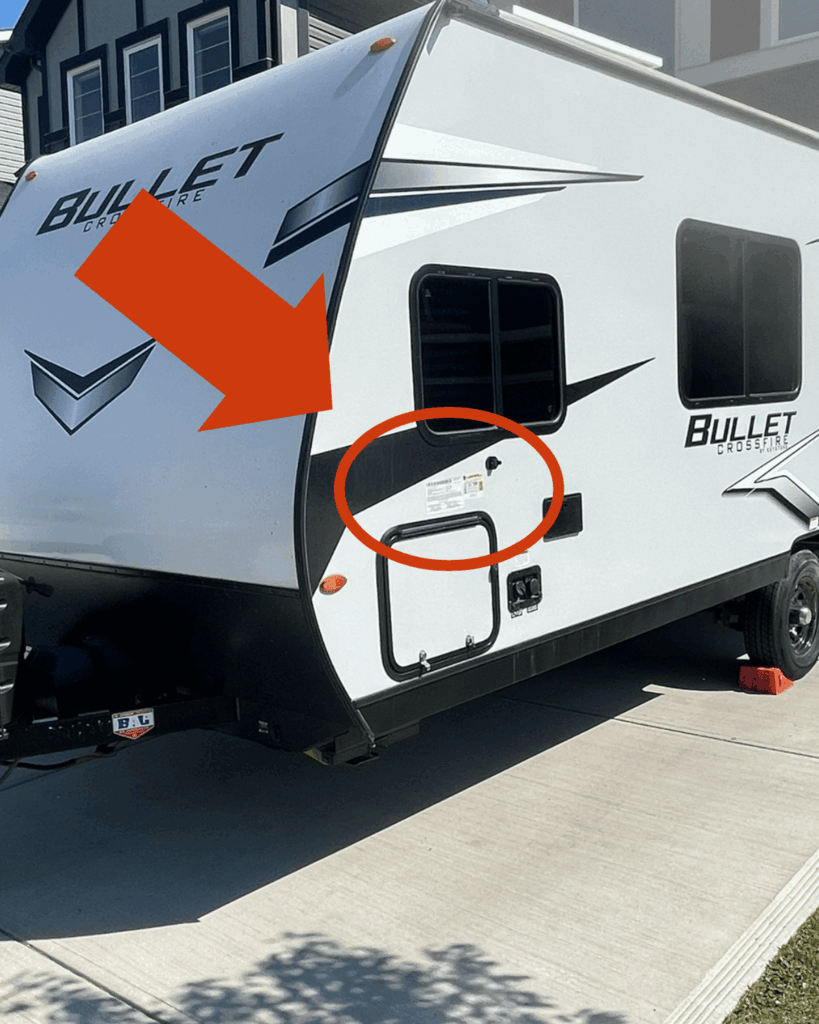
You’ll usually spot the VIN on the front left corner of the trailer, either on a metal plate or a sticker near the frame, often close to the hitch or lower sidewall. Some models also show it inside, maybe near the entry door, or you’ll see it on your paperwork.
Key Takeaways
- You’ll generally find the VIN on the trailer frame, a label, or sometimes inside the wall
- Your title and registration should list the VIN clearly
- Services like rvchecks or NMVTIS make VIN lookups a crucial step when you’re buying
- If the VIN is missing or unreadable, you’ll want to act fast to avoid legal headaches
This Post Is All About Where Is The VIN On A Travel Trailer
Understanding The VIN On A Travel Trailer
Every travel trailer has a VIN to prove its identity, track its records, and meet legal requirements. This number follows a set format and isn’t the same as a regular serial number.
What Is A VIN Number
A VIN number, which stands for Vehicle Identification Number, is a unique code given to your trailer by the manufacturer. Each VIN identifies just one trailer. It never changes, no matter what happens to the trailer over the years.
You’ll use the VIN when you register your trailer, buy insurance, or need to prove you own it. The VIN also connects your trailer to recall notices, theft reports, and service records.
Government agencies and insurance companies rely on this number because it’s tied right to the frame. The VIN holds specific details about your trailer, like who built it, what year it came out, and its production order.
Since the VIN acts as a unique identifier, accuracy is everything. Even one wrong digit can cause delays or create legal messes.
Difference Between VIN And Serial Number
People mix these up all the time, but a VIN and a serial number aren’t the same thing. A serial number comes from the manufacturer and just tracks production inside the company. It’s not regulated and can repeat across different models or product lines.
A VIN number follows a government-regulated format and serves a legal purpose. Authorities use it to keep track of your trailer in public records. Serial numbers usually don’t show up on your title or registration.
Here’s a quick breakdown:
- VIN: Legal identifier, standardized, used by governments
- Serial number: Internal reference, not standardized, for the manufacturer’s use
Your trailer could show both numbers, but only the VIN is the official one that matters.
The 17-Character VIN Standard
All modern travel trailers use a 17-character VIN if they were built after 1981. This format is the same for pretty much every manufacturer and country. Each character has a specific job, which helps prevent duplicates and fraud.
The VIN splits into three main parts:
| Section | Position | Purpose |
|---|---|---|
| WMI | 1–3 | Manufacturer and country |
| VDS | 4–9 | Trailer type and features |
| VIS | 10–17 | Model year and serial sequence |
The VIN uses both numbers and letters, but skips I, O, and Q so people don’t get confused. Altogether, these characters make a unique code that points to your exact trailer.
Most Common Locations For Travel Trailer VINs
Manufacturers usually put the VIN somewhere easy to check but also safe from damage. You’ll find it on the frame, near entry doors, or on labels stuck to the trailer’s body.
Frame Rail And Tongue Areas
Most of the time, you’ll spot the VIN stamped right into the frame rail or tongue. The tongue is that A-shaped frame up front that connects to your hitch. Manufacturers use this spot since the number stays with the trailer, even if you make repairs.
Look on the left side of the tongue, close to where it meets the coupler. Sometimes it’s along the main frame rail, near the front axle. If you’re having trouble, dirt, rust, or layers of paint might be hiding it, so grab a flashlight.
This version isn’t a sticker. You’ll see bare metal characters pressed into the frame. This spot matters for inspections, theft recovery, and registration checks.
Door Side Of The Camper
The door side is another popular place to look. Open the entry door and check the door frame. Left or right side, it varies.
Some trailers put the VIN on a label inside a cabinet door near the entry. Others stick it on the wall just inside the doorway. These spots keep the number out of the weather but still easy to read.
Here, you’ll usually see a VIN sticker, not a metal plate. Check both the door frame and nearby panels, just to be sure you don’t miss it.
Vin Sticker And Federal Certification Label
Lots of travel trailers use a VIN sticker as part of the Federal certification label. This label shows the trailer meets safety and weight rules set by the government.
You’ll usually spot it on the lower front left side, down near the edge of the sidewall. It might be yellow, white, or silver, and often looks like a shiny mylar sticker.
The label lists more than just the VIN. You might see the build date, axle ratings, and gross weight too. If it’s damaged or faded, check it early before it gets worse.
Vin Plate Or Metal Plate
Some trailers go with a VIN plate instead of a sticker. This is a metal plate, usually riveted or bolted to the body or frame.
Common spots include the front left corner of the exterior wall or the inside wall near the entry. Metal plates hold up better against weather and tampering than paper labels.
Check the plate for clear, even letters. If you see missing rivets or heavy scratches, that might mean it’s been tampered with or removed before. Always compare this plate to your paperwork for a match.
Alternative Places To Locate The VIN
Some trailers hide the VIN in less obvious places. You can sometimes find it inside the trailer, underneath the frame, or in spots picked by a specific manufacturer.
Interior Cabinet Doors And Under The Sink
Many trailers show the VIN on an interior label. You’ll usually find it on a cabinet door, inside a wardrobe, or maybe under the kitchen sink. Builders do this to protect the number from weather and road grime.
The label often lists extra info beyond the VIN, like the trailer’s specs, gross vehicle weight rating (GVWR), axle ratings, and build date. This stuff helps when you’re ordering parts or checking weight limits.
Open every cabinet and look over flat surfaces and side panels. A flashlight helps in dark spots. Always double-check that this number matches your paperwork.
Undercarriage And Support Bars
Some manufacturers stamp or attach the VIN to the undercarriage. You might find it on an I-beam, a crossmember, or a support bar under the front or middle of the trailer.
The marking might face up or inward, so you’ll need to get low and look carefully. Dirt, rust, or paint can hide it. Use a wire brush and a light to make faint numbers readable, but don’t scrub too hard.
This spot tends to be the most permanent. Frame markings last longer than stickers and help verify identity, especially on older trailers.
Common undercarriage places to check:
- Front frame rails
- Near the axles
- Crossbars under the main floor
Keystone RV And Manufacturer-Specific Spots
Some brands stick to the same VIN locations. Keystone RV, for example, usually puts the VIN on a label posted on the units exterior wall, near the entry door or on the opposite side of the unit near the from. You might also find a stamped version on the frame.
Also check near factory labels, like by the electrical panel, front storage, or inside a pantry. These spots often have build and compliance tags.
If you know your trailer’s brand, look up its usual VIN location. Manufacturer websites and owner’s manuals often show the exact spot, which can save you a lot of time and frustration.
Locating The VIN In Documentation
You can often find the VIN without even touching the trailer. Official paperwork lists the VIN in fixed places and helps you prove legal ownership. These records also help with registration, insurance, and resale.
Title, Registration, And Insurance Papers
Your title or registration shows the VIN near the top of the page. Government agencies use the number to track ownership and make sure the trailer matches its description. Always compare the VIN on your document to the one on your trailer’s frame, if you can.
Insurance papers also list the VIN. Insurance companies use it to set up your coverage and handle claims. If even one digit is wrong, claims can get delayed or denied.
Here are the usual places to look:
- Vehicle title or ownership permit
- Registration certificate
- Insurance policy declarations page
Keep copies of these records somewhere safe. They’re your legal proof of ownership and can help settle disputes or fix errors.
Bill Of Sale And Proof Of Ownership
A bill of sale should list the VIN, along with the sale date, price, and seller’s info. This document proves you own the trailer and links you to its history. Go over it carefully before you file for registration.
Other proof of ownership documents can include the VIN too. These might be a dealer invoice, manufacturer’s certificate of origin, or a financing agreement. Every one of them should show the same VIN.
Check for consistency in all your documents:
- VIN format and length
- Matching digits and letters
- Correct seller and buyer names
If any document is missing the VIN or has mistakes, ask for a correction right away. Accurate records protect you later—whether you’re selling, registering, or making an insurance claim.
Decoding And Verifying A Travel Trailer VIN
A travel trailer VIN gives you solid facts about who built the trailer, when it rolled out, and what’s included. You can also use it to check records, spot problems, and make sure the trailer matches its paperwork.
World Manufacturer Identifier And Model Year
The first three characters of the VIN make up the World Manufacturer Identifier (WMI). In case you’re wondering, that code tells you where the trailer was built and which company made it.
It’s a handy way to confirm the brand and avoid confusing similar models. Not everyone checks, but it’s worth the extra minute.
The 10th character in the VIN points to the model year. That’s actually more important than you might think, since rules for registration, recalls, and even resale value all depend on the year — not just when you bought it.
Key VIN positions to know
| VIN Position | What it tells you |
|---|---|
| 1–3 | World manufacturer identifier (WMI) |
| 4–8 | Model and build details |
| 9 | Check digit |
| 10 | Model year |
| 11 | Plant location |
Using The VIN For Vehicle History Reports
You can type the VIN into a vehicle history report service to dig up a trailer’s past. These reports pull info from title records, insurance files, and recall databases.
It’s a solid way to check legal status and spot red flags before you buy. I wouldn’t skip this step, especially if you’re eyeing something used.
A good report may show:
- Title status and previous owners
- Accident or damage history
- Theft or recovery records
- Open safety recalls
This matters most for potential buyers. You get a clearer picture and can avoid trailers hiding big problems. Plus, you’ll have facts to support a fair price.
Identifying The Trailer’s Origins And Specs
The VIN also reveals the trailer’s origins and specific build details. Characters in the middle of the VIN connect to the frame type, body style, and factory options.
This info helps you check if the trailer matches its listing and paperwork. It’s not always obvious, so it pays to double-check.
You can use the VIN to confirm:
- How many axles it has and weight ratings
- Original length and inside layout
- What features came from the factory
These specific details come in handy when you need parts, set up insurance, or prove value if you ever resell.
What To Do If The VIN Is Missing Or Illegible
A missing or unreadable VIN can stop you from registering, insuring, or selling your travel trailer. You need to confirm the trailer’s identity, protect yourself from legal risk, and restore the essential information tied to ownership and safety.
Contacting The Dealer Or Manufacturer
Start by reaching out to the dealer or manufacturer listed on your paperwork. Give them your bill of sale, past registration, and any service records you’ve got.
These documents often include the VIN, even if the plate or sticker faded or fell off. Many travel trailers and camper trailers also have build sheets on file.
The manufacturer might confirm the VIN using details like frame design, axle type, braking system, or safety chain setup. Take clear photos of the trailer, especially the tongue, frame rails, and coupler, to help your case.
If the dealer’s out of business, try the manufacturer directly. Sometimes they’ll issue written verification you can use with the DMV.
Contact Your Local Licensing Authority
If you strike out finding the VIN, contact your State DMV (US Residents) or Provincial office (Canadian Residence), such as, ServiceOntario, Registries Service in Alberta, ICBC in British Columbia, or the SAAQ in Quebec. Ask for guidance before making any changes, and definitely don’t try to make your own VIN tag.
The authority could require a formal inspection. A certified inspector or police officer checks the frame, braking system, and safety equipment to verify the trailer’s identity.
Bring all ownership documents and clear photos to your appointment. During the check, the agency verifies theft records and confirms legal ownership.
This step makes sure the trailer meets registration standards on both sides of the border, U.S. and Canada. It might be a hassle, but it’s worth it for peace of mind.
Applying For A Replacement VIN
If the licensing agency can’t verify the original VIN, you might need to apply for a replacement or a state/province-assigned VIN. This issue pops up a lot with older camper trailers or when there’s heavy corrosion or damage.
You fill out an application and include proof of ownership and inspection results. Some provinces even want a physical inspection before they’ll hand over a new VIN.
Once they approve you, the agency gives you instructions for attaching the new VIN plate or label. After you install it, make sure you update your registration and insurance records.
Hang onto copies of all your forms and approvals. Those records can save you a headache later, especially if you ever need to sell or get stopped for a roadside check.