
The Ultimate Guide to Banff RV Camping
If you’re planning Banff RV camping for the first time, you probably already know it’s one of the most stunning places in North America to park your rig.
What you might not know is how quickly campgrounds fill up, the challenges of navigating an RV through mountain passes, or why some sites have very specific equipment requirements.
This guide covers everything you need to book a campsite, pick the right campground for your unit, and actually enjoy your trip without the typical stress that first-time visitors face. It’s built for families, beginners, and seasoned RVers heading to Banff National Park.
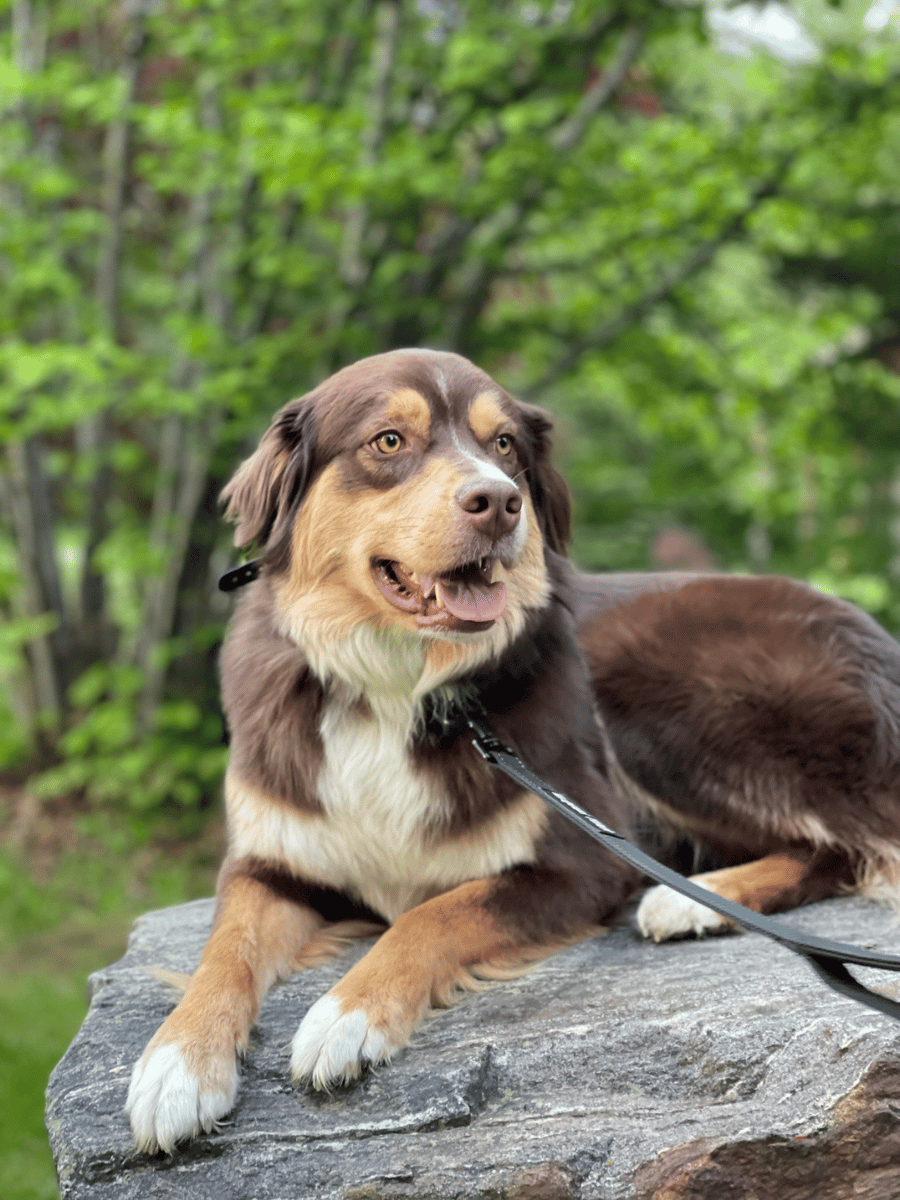
As an Alberta-based family of five (plus our dog Remington), we’ve made the drive from Cochrane to Banff more times than we can count.
We’ve faced sold-out campgrounds, wild mountain weather, and the headache of trying to park a travel trailer in very narrow RV sites. This guide comes from those real trips, real mistakes, and the practical lessons we picked up along the way.
Whether you’re booking your first Parks Canada campsite or hunting for overflow options when Banff is packed, you’ll find specific, honest advice here.
Key Takeaways
- Banff campgrounds open for reservation in early 2026 and sell out within minutes. You really need to secure your campground reservations early.
- Not all campgrounds accommodate large RVs or trailers. Some park roads flat-out restrict oversized vehicles.
- If Banff is booked solid, nearby Canmore and Kananaskis Country offer excellent backup camping with full amenities.
Why Banff Is a Bucket-List RV Destination (And Why It’s Tricky)
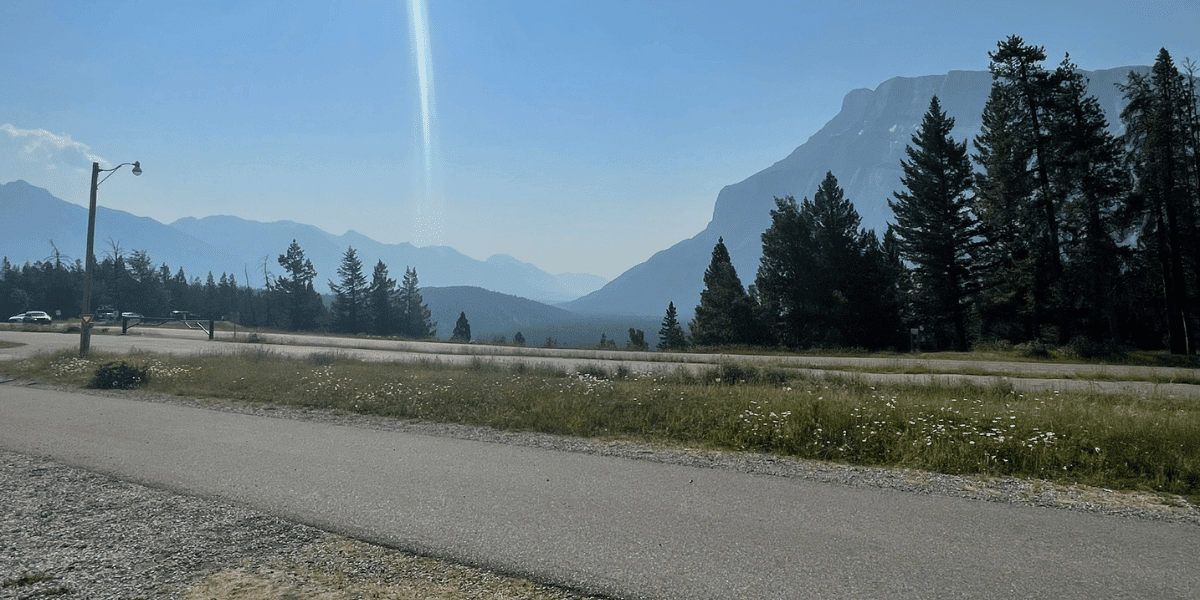
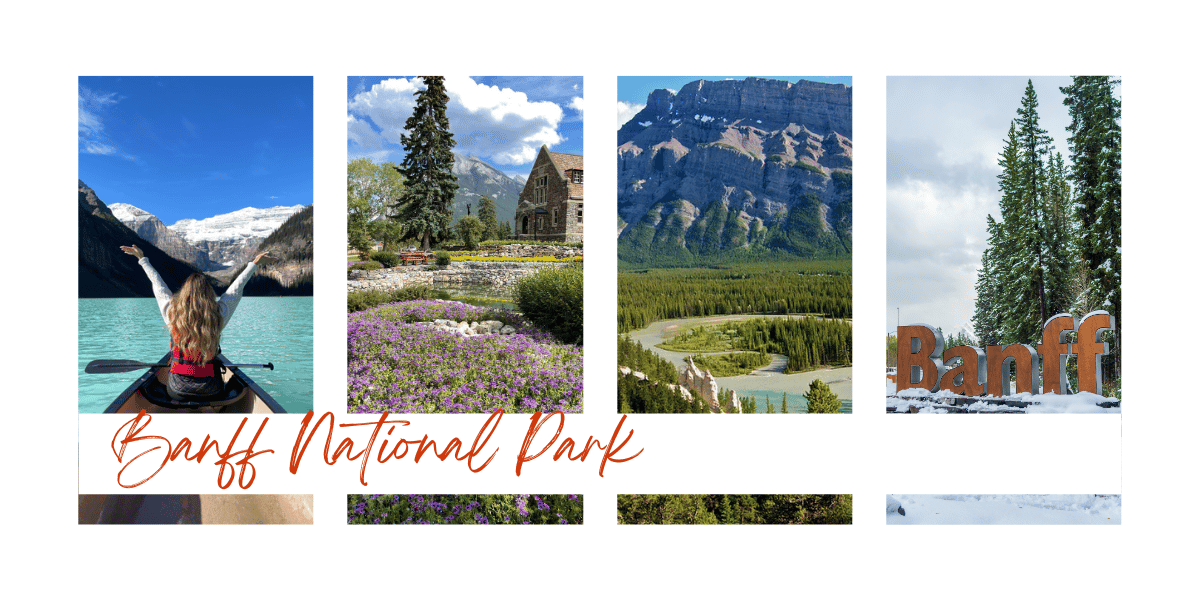
Banff National Park is Canada’s oldest national park and one of the most visited places in the entire country. The turquoise lakes, towering peaks, and abundant wildlife make it a dream destination for RV travellers looking for scenic views. As noted by Banff & Lake Louise Tourism, the park sees so many RVs that dedicated parking and transit systems exist just to manage the flow.
But the reality of RVing in Banff doesn’t always match the postcard.
Campgrounds book up within minutes of opening. Summer traffic can back up for kilometres on the Trans-Canada Highway. Larger rigs face strict size limits on certain roads, and popular spots like Moraine Lake don’t allow RVs at all.
The park also sits at elevation, which means weather can shift fast. Snow in June and September is not unusual. These are things you need to plan for, not just hope won’t happen.
We share all of this not to scare anyone off but because camping in Banff is genuinely one of the best experiences you can have in the Canadian Rockies. It just takes solid planning to make it work, especially with kids in tow.
Understanding the Parks Canada Pass System
Every vehicle entering Banff National Park needs a valid Parks Canada pass. There are two main options, and picking the right one can save you money and time at the gate.
Daily Pass vs. Discovery Pass
The daily pass covers one day of admission and costs about $12.25 per adult (kids 17 and under go free).
A family or group day pass runs around $24.50 and covers up to seven people in one vehicle. See Parks Canada fee schedule for Banff for more information.
The Discovery Pass is an annual pass that gets you unlimited entry to all Parks Canada national parks and historic sites for a whole year.
It costs $83.50 for an adult or $167.50 for a family/group. If your trip is longer than about seven days total across any national parks in a calendar year, the Discovery Pass almost always saves you money.
Note for 2026: Parks Canada has announced the Canada Strong Pass, which offers free admission and a 25% discount on camping fees from June 19 to September 7, 2026.
This could really change the math on which pass makes sense. Check the details before your trip.
Where to Buy Your Pass
You can buy your pass online through the Parks Canada website before you arrive. That’s definitely the fastest route.
You can also pick one up at the park gates, but in the summer, weekend lineups can extend to 30 minutes or longer.
Our personal advice: buy online and have it ready before you reach the park. Not only does it save time, but if you already have your pass, you can drive right past the gates without stopping.
The Best Time of Year to RV in Banff
The best time to visit? That really depends on what you’re after.
Peak summer has the most access but also the biggest crowds. Shoulder seasons mean quieter parks but less predictable conditions.
Summer Peak Season (Late June to August)
This is prime time. All roads open, including the Icefields Parkway. Lakes thaw to that famous turquoise colour.
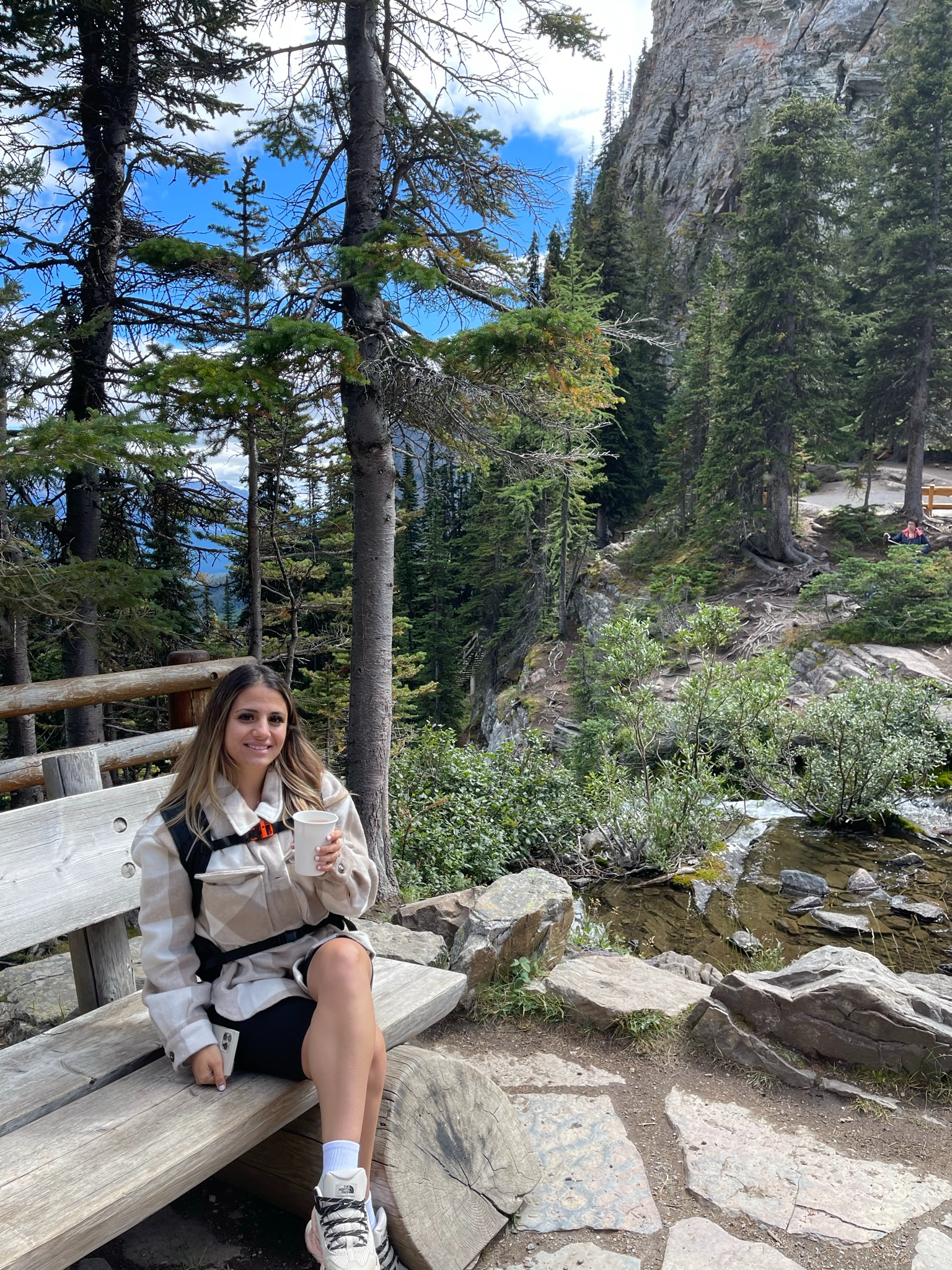
Hiking trails are snow-free, and every campground in the park is fully operational. The downside is real, though.
Banff RV camping spots sell out months in advance. Traffic along the Trans-Canada can be heavy, and parking at popular trailheads fills up by mid-morning.
That being said, Summer months (Mid-June through September) is when you get those iconic photos you find on social media.
Our advice: If you’re coming in peak season, book everything as early as you can and plan to hit trailheads before 8 a.m.
The Shoulder Seasons (May/September)
September is quietly one of the best months to RV in Banff. Crowds thin out, fall colours show up, and elk rutting season means wild wildlife viewing. Campsite availability loosens up too.
May offers similar benefits with spring freshness, though some campgrounds and higher-elevation roads may still be closed.
Snow can fall at any time during both months, so it’s best to be prepared. Make sure you have winter-rated tires, and pack plenty of warm layers as temperature can drop drastically—you’ll be glad you did.
Winter RV Camping in Banff
Winter camping is possible, but it’s definitely limited. Tunnel Mountain Village II stays open year-round with electrical hookups, and the Lake Louise Hard-Sided Campground also runs through the winter.
Temperatures can drop well below -20°C. Your RV’s plumbing, water lines, and holding tanks are all at risk of freezing. This is an option for prepared, experienced winter campers, not beginners.
Complete Overview of Banff RV Campgrounds
Banff National Park has over a dozen campgrounds, but they’re not all created equal.
Some offer full hookups for big rigs, while others are rustic, unserviced sites best for small trailers or tent campers. Picking the right one depends on your rig size, your need for services, and just how much privacy you want between sites.
Tunnel Mountain Campgrounds (Village I, Village II, and Trailer Court)
This cluster of three campgrounds sits about five kilometres from the Town of Banff. It serves as the main hub for most RV campers.
Tunnel Mountain Trailer Court is the top pick for large RVs. It offers full hookups (water, sewer, and electricity) and can handle bigger rigs.
It’s open from May 8 to October 5 for 2026 and is reservable. If you need to plug in and dump without leaving your site, this is your spot.
Tunnel Mountain Village II gives you electrical hookups only but stays open year-round. This makes it the go-to for off-season campers.
It’s a solid choice for self-contained RVs that don’t need full services at the site.
Tunnel Mountain Village I is unserviced, with no hookups at all. It operates from May 15 to October 5 and works better for tent campers or very small, self-contained setups.
All three campgrounds share a convenient location with easy access to town via the Roam Public Transit system. You’ll see regular wildlife right from your campsite, too.
Want a Deeper Breakdown of the Tunnel Mountain Campgrounds?
We recently spent time exploring all three sections and put together a complete guide covering site types, hookups, campground layouts, wildlife sightings, reservation tips, and which area is best for your RV setup. If you’re deciding between Village I, Village II, or Trailer Court, this guide will help you choose the right campground before booking.
👉 Check out: Tunnel Mountain Campground Banff: The Best Guide For RVers
Two Jack Campgrounds (Main & Lakeside)
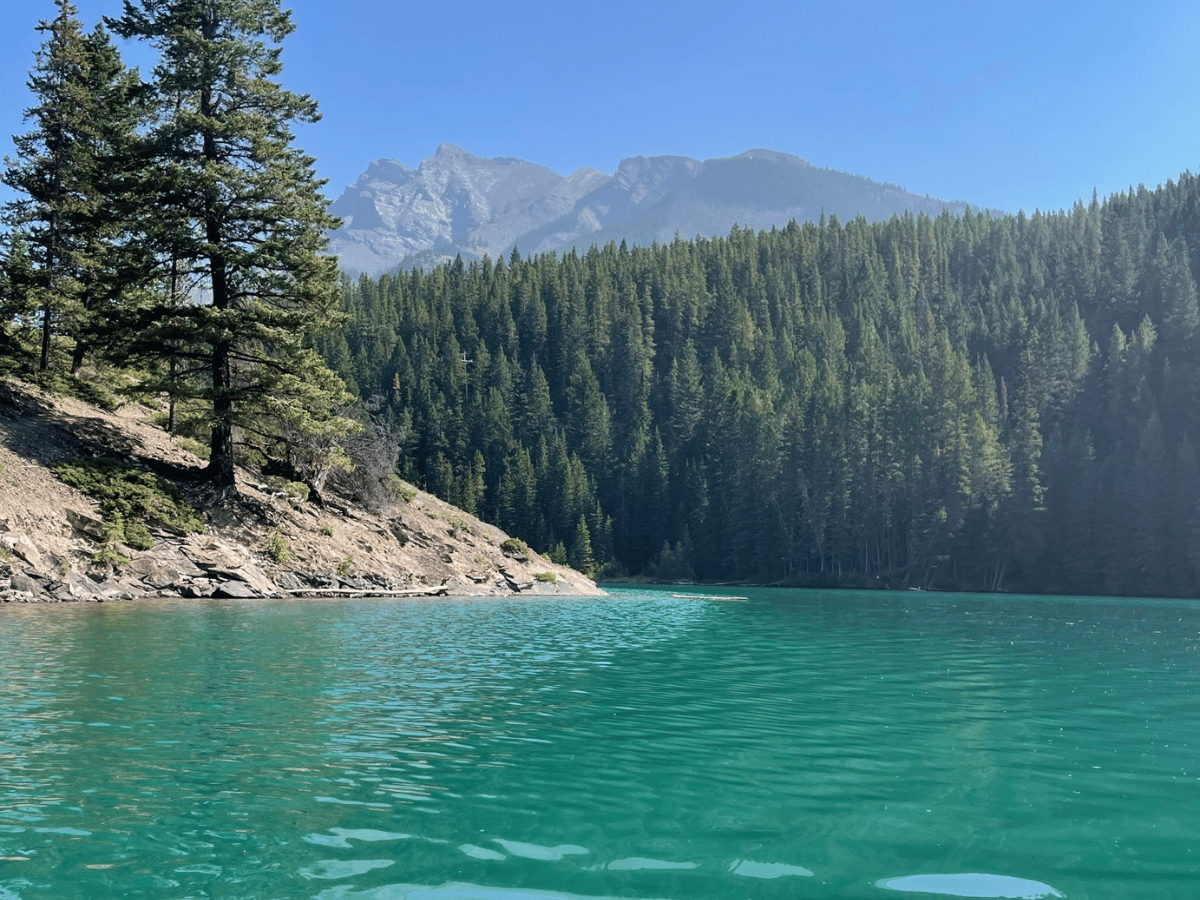
Two Jack sits along the shores of Two Jack Lake, northeast of the Banff townsite. These campgrounds are more scenic and peaceful than Tunnel Mountain, but there are trade-offs.
Two Jack Lakeside is one of the prettiest campgrounds in the park. Waterfront sites with incredible views make it super popular.
It’s unserviced and open from May 22 to October 5. This spot gives you more privacy than the bigger campgrounds near town.
Two Jack Main opens later, from June 19 to September 1, and also has no hookups. It offers equipped campsites where gear is provided on-site.
Neither campground has hookups, so you’ll need a fully self-contained rig. Larger trailers can fit in some sites, but the roads and pads are honestly better for smaller motorhomes or travel trailers. The setting is worth the trade-off, though.
Lake Louise Campgrounds (Hard-Sided Only)
The Lake Louise Campground area splits into two sections, and the rules here are strict.
Lake Louise Hard-Sided is open year-round and offers electrical hookups. Only hard-sided camping units are allowed—no tents, no tent trailers, no pop-ups.
This rule is here because of heavy grizzly bear activity in the Lake Louise corridor. It’s a safety thing, not a suggestion.
Lake Louise Soft-Sided runs from May 29 to September 23 and allows tents and soft-sided units during that window. This is a unserviced campground.
If you’re in a travel trailer or motorhome, the hard-sided section is a fantastic base for exploring Lake Louise, Moraine Lake (via shuttle), and the Icefields Parkway.
Johnston Canyon Campground
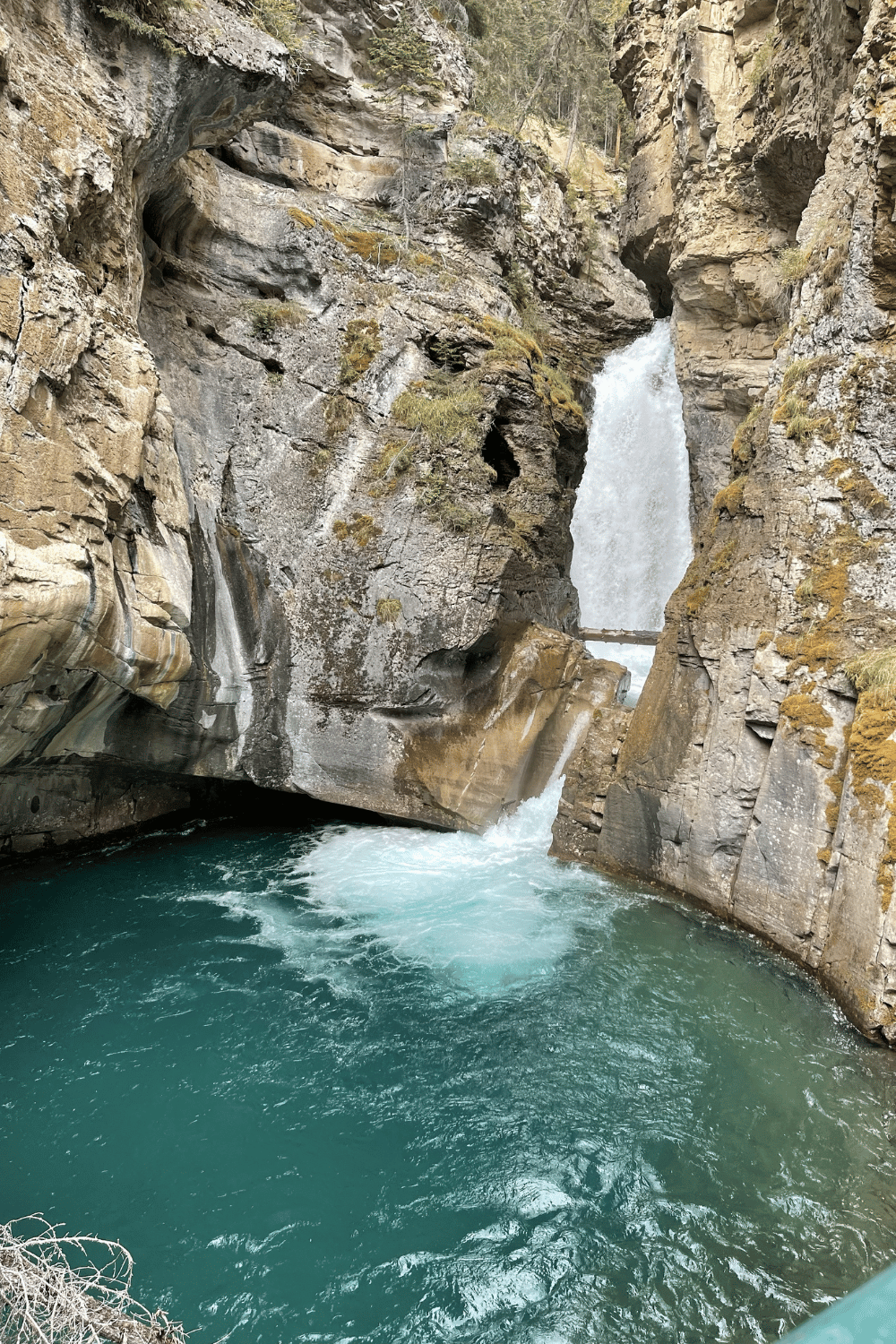
Johnston Canyon Campground puts you right next to one of Banff’s most popular family hikes. The lower falls trail is paved and stroller-friendly, so it’s great for families with younger kids.
The campground is unserviced and open from May 22 to September 21. Sites are pretty basic, and the campground can feel busy because of its proximity to the trailhead.
Smaller rigs work best here as roads can get quiet narrow and challenging to maneuver. It’s a good pick if hiking Johnston Canyon is high on your list and you want to beat the crowds by starting early from your site.
How to Secure Your Campground Reservations (Without Stressing Out)
Booking a campsite in Banff is hands-down one of the most stressful parts of the whole trip. Demand quickly outpaces supply, and the reservation system rewards folks who are prepared and fast.
The Parks Canada Reservation Launch Day
Parks Canada opens reservations for Banff campgrounds every January and February. Honestly, it sneaks up faster than you’d think. When researching which campground you would like to visit, make sure you check out the Parks Canada’s campground schedule. This schedule will outline each campground’s opening date.
The Parks Canada Reservation Service runs the whole booking system. On launch day, thousands of people try to log in at once. Popular campgrounds like Tunnel Mountain Trailer Court and Two Jack Lakeside can vanish in minutes for those peak summer weekends.
Here’s what actually helps:
- Create your account ahead of time and save your payment info. Don’t wait until launch day for that.
- Know your exact dates and campground before the clock strikes booking hour. Guesswork slows you down.
- Log in 10-15 minutes early and be ready to click the second bookings open. Yes, it’s that competitive.
- Have backup dates ready in case your first choice disappears before your eyes.
Treating this like a popular concert ticket sale isn’t even an exaggeration. Speed really does matter.
Tips for Snagging a Cancellation
If you miss the initial window, don’t give up. People cancel all the time, especially as their trip gets closer.
I check the Parks Canada reservation site often. Cancellations usually pop up two to four weeks before the reservation date.
Weekdays tend to be easier than weekends, if you can swing it. Some RVers use cancellation alert tools or apps that ping you when a specific site frees up.
Flexibility with dates and campground choice boosts your odds a ton. Honestly, being open to Johnston Canyon instead of Tunnel Mountain can be the difference between getting in or sitting out.
Navigating Banff with a Large RV or Travel Trailer
Driving a big rig through Banff National Park isn’t impossible, but it takes some planning. The mountain roads, narrow parking, and vehicle restrictions can trip up first-timers.
RV Size Limits and Road Restrictions
The Trans-Canada Highway through the park works fine for large RVs. The Icefields Parkway (Highway 93 North) is also doable for most rigs, though you’ll want to watch those grades and curves.
Things get tricky on the secondary roads. Moraine Lake Road blocks RVs and oversized vehicles entirely during peak season.
You can get to the Lake Louise village, but parking a big rig there is almost impossible. RVs under 27 feet fit into more campsites and snag first-come, first-served spots more easily.
If your rig is over 30 feet, stick to campgrounds built for big setups, like Tunnel Mountain Trailer Court. Some mountain roads have tight switchbacks and steep grades too.
If you’re towing a long trailer, plan your route in advance and just don’t try shortcuts through the townsite. It’s never worth the stress.
Parking in the Banff Townsite
Trying to park a 30-foot trailer in downtown Banff? Good luck. Street parking is tight, lots are small, and a bunch of areas restrict oversized vehicles.
Your best bet is to leave the RV at the campground and either take your truck into town or hop on the Roam Public Transit bus. Roam is easy use and runs several routes connecting campgrounds, the townsite, Lake Minnewanka, and other popular spots.
A 1-Day Super Pass costs:
- $30 per adult
- $15 for seniors 65+
- $15 youth 13-18
- FREE for children 12 and under
These fares cover unlimited rides on any route. I should also note, that even thought children under 12 are free, they still need to register.
There are some designated long-term RV parking areas in town as well. Check banffparking.ca for current locations and restrictions before you drive in. Saves a lot of headache.
Where to Camp If Banff National Park Is Full
This happens more than you’d expect. You check the reservation system, and every Banff campground is just…gone. The upside? Some great alternatives sit just outside the park boundaries.
Canmore and Dead Man’s Flats
Canmore is about 20 minutes east of the Banff gates. There are several private RV parks there with full hookups, laundry, showers, WiFi—the works.
Dead Man’s Flats, a tiny community just East of Canmore and also has some well-rated campgrounds. These private parks usually have bigger pull-through sites, so big rigs fit more easily than in most Parks Canada campgrounds.
If you check out RV Life’s campground listings near Banff, several options in these areas get strong reviews from RV travellers. You’ll still need a Parks Canada pass to enter Banff for day trips, but the commute is quick and easy.
Kananaskis Country
Kananaskis Country sits South of the Trans-Canada Highway. It’s quieter, less crowded, and, honestly, the scenery rivals Banff in a lot of places.
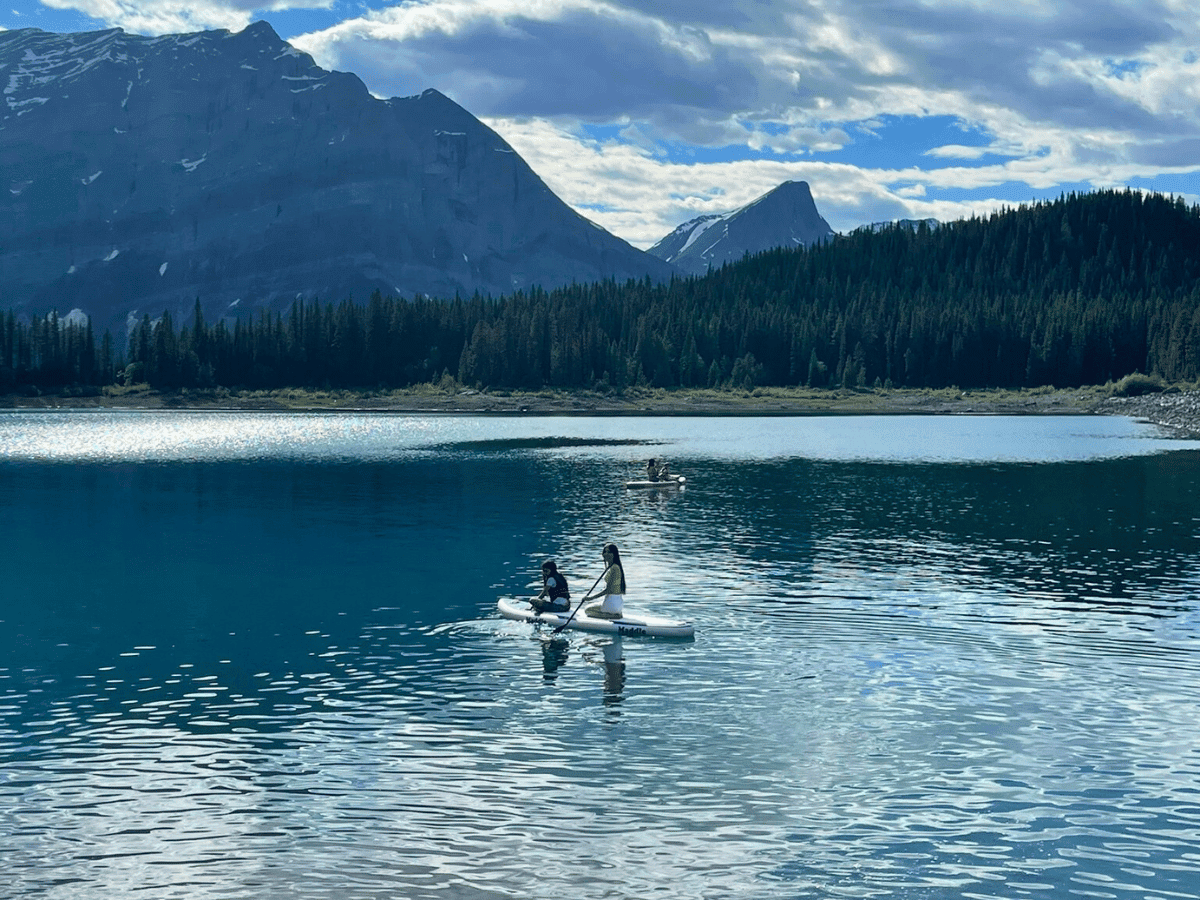
The campgrounds are usually easier to book too. For families, Kananaskis offers great hiking, fishing, and wildlife viewing without the wall-to-wall crowds.
Don’t forget! you will need a separate Kananaskis Conservation Pass for vehicle access. We often recommend Kananaskis as a home base for folks who want to explore both areas without the stress of fighting for Banff campsites.
Along The Rockies covers several Kananaskis campgrounds and routes for families looking to branch out. It’s worth a look.
Family-Friendly RV Itinerary Ideas
Banff could fill weeks, but let’s be real: most families get a long weekend or a short vacation window. Here are two approaches that work well with kids.
A 3-Day Weekend Itinerary
Day 1: Arrive and set up at Tunnel Mountain Trailer Court or Village II. Get settled, let the kids burn off energy around the campground, and maybe take a short evening walk along the Bow River. Grab groceries in town if you need them.
Day 2: Head to Johnston Canyon in the morning and hike to the lower falls (about 30 minutes, paved, and stroller-friendly).
In the afternoon, ride the Banff Gondola for those panoramic valley views. We usually find that doing a morning hike with an afternoon attraction keeps our younger kids engaged without totally burning them out.
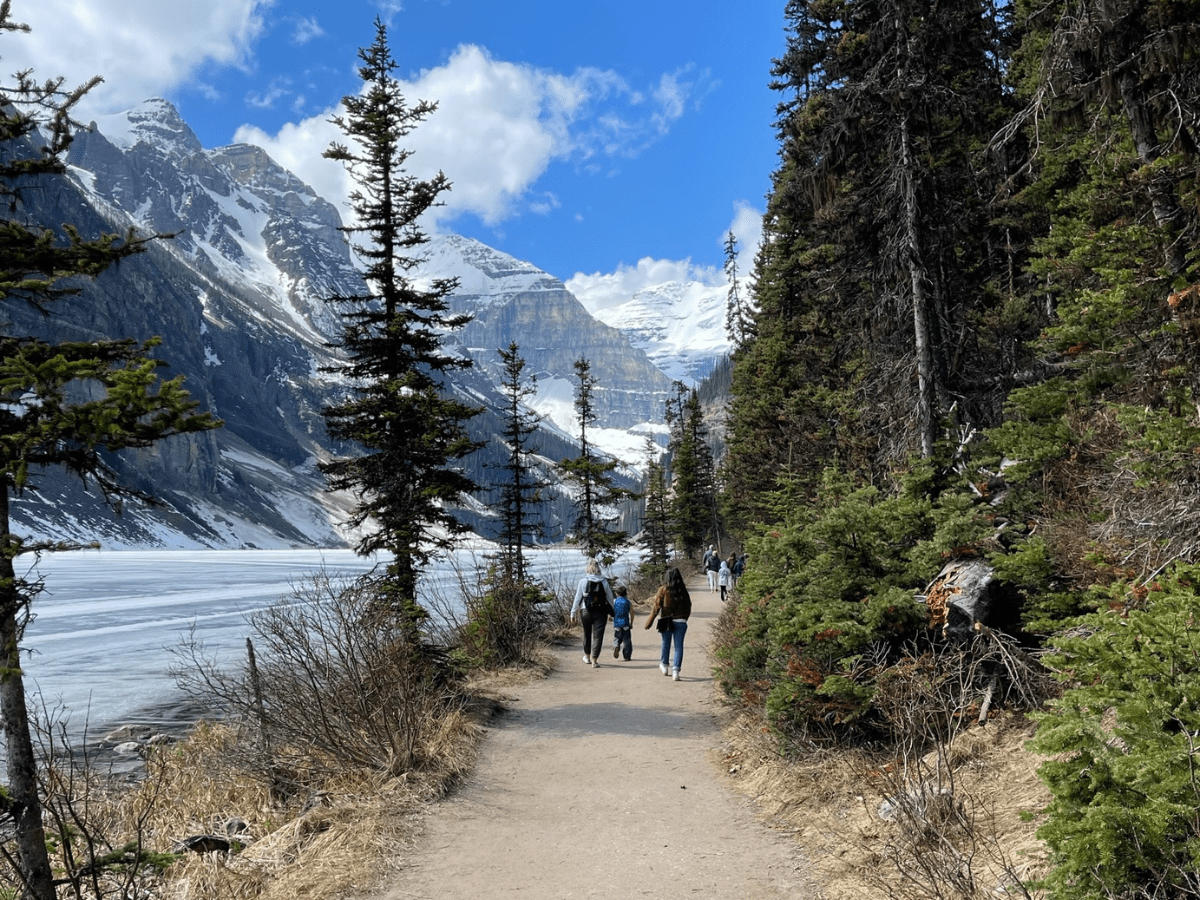
Day 3: Spend the morning at Lake Louise. Walk the lakeshore trail and soak up the views.
If you have time, stop at Moraine Lake (shuttle access only during peak season). Pack up and hit the road home in the afternoon.
Easy Hikes for Kids Near the Campgrounds
Not every hike needs to be an epic. Here are some family-friendly options that work well for little legs:
- Fenland Trail (2 km loop, flat, shaded): Right near Banff town. Toddlers and strollers do great here.
- Two Jack Lake Loop: Gentle walk along the lakeshore with picnic spots. Easy win.
- Cave and Basin National Historic Site: Part boardwalk, part history lesson. Kids love the mineral hot springs and short interpretive trails.
- Johnston Canyon Lower Falls: Paved right to the lower falls viewpoint, so it’s accessible for all ages.
We find that keeping hikes short and adding a fun reward such as, Cow’s ice cream or touring Banff Sweet Shoppe keeps everyone happy.
Essential RV Packing List for the Canadian Rockies
Mountain camping throws a few curveballs, especially if you’re used to RVing on flat ground. Here’s what we always pack and honestly wouldn’t go without:
RV Setup Essentials:
- Levelling blocks: Mountain campsites are rarely flat. A good set of blocks is non-negotiable.
- Water pressure regulator: Campground water pressure jumps all over the place. A regulator saves your RV’s plumbing from surprises.
- Extra-long sewer hose: Sometimes the hookup is way farther than you’d expect.
- Wheel chocks: Especially on those sloped mountain pads. You don’t want to skip these.
Safety Gear:
- Bear spray: Required for any hiking in the Rockies. Know how to use it before you ever need it.
- First aid kit: Stock it with basics, plus blister stuff and bug bite treatment.
- Flashlight or headlamp: Evenings get dark fast in the valleys. Don’t get caught out.
Clothing:
- Warm layers for every family member: Even in July, nights can drop near freezing at higher elevation. Bring toques, fleece, and rain jackets.
- Sturdy hiking footwear: Trails are rocky. Flip-flops just don’t cut it here.
Extras:
- Binoculars: For wildlife spotting. Elk, bighorn sheep, and bears are common—sometimes surprisingly close.
- Campfire lighter and firewood (buy local to avoid accidentally bringing in pests).
Our First RV Trip to the Rockies checklist on Along The Rockies has a more detailed breakdown if you want a printable version. It covers RV inspection and safety items too.
For general Banff-specific packing advice, layering is the golden rule. Trust me, you’ll thank yourself for packing extra warmth.
Frequently Asked Questions
How do I book a campsite in Banff National Park for the 2026 season?
Campground reservations open through the Parks Canada Reservation Service in January and February 2026. Each campground has its own launch date, and popular sites sell out within minutes.
Create your account early, have your dates ready, and log in before the system goes live. It’s a bit nerve-wracking, but it works.
Which campgrounds near Banff and Lake Louise can accommodate larger RVs and trailers?
Tunnel Mountain Trailer Court is your best bet near Banff, with full hookups and space for bigger rigs. The Lake Louise Hard-Sided Campground has electrical hookups and can handle big units too.
Both are reservable through Parks Canada. Don’t wait too long to book—spots go quickly.
Are there full-hookup campgrounds close to Banff and what amenities do they offer?
Tunnel Mountain Trailer Court is the only campground inside Banff National Park with full hookups (water, sewer, electricity). It also has flush toilets and a dump station.
For more full-hookup options, private RV parks in Canmore and Dead Man’s Flats offer showers, laundry, WiFi, and pull-through sites. You get a lot more choice outside the park boundary.
Is it easy to drive and park an RV around Banff townsite and Lake Louise?
Driving the main highways feels pretty straightforward. But honestly, parking a big RV in Banff townsite or at Lake Louise? That’s a whole different story—spots are super limited.
Moraine Lake Road doesn’t even let RVs through during peak season, which can be kind of a headache. Most folks just leave their rigs at the campground and hop on the Roam bus system instead, and honestly, that seems like the least stressful move.
Where are the dump stations and potable water fill points in the Banff area?
You’ll find dump stations at Tunnel Mountain Trailer Court and right near the main campground cluster. Serviced campgrounds offer potable water, so that’s convenient enough if you’re set up there.
If you’re at an unserviced site like Two Jack or Johnston Canyon, you’ll want to fill your freshwater tank before rolling in. Then just use the dump station when you’re heading out—makes things simpler.
Can I park overnight in my RV in Banff, or do I need to stay in a designated campground?
You can’t park overnight outside of designated campgrounds in Banff National Park. Park officials take this pretty seriously.
The park regulations states, that you have to stay in an official campground with a valid reservation—or, if you’re lucky, grab a spot on a first-come, first-served basis when that’s an option.
They hand out fines for illegal overnight parking, so it’s not really worth the risk.