
Banff hiking trails in winter turn the Canadian Rockies into a peaceful wonderland. You get to explore frozen waterfalls, snow covered lakes, and quiet forest paths without the summer crowds.
Winter hiking in Banff offers trails for all skill levels, from easy lakeside walks that take 30 minutes to challenging full day adventures. Most trails are accessible from October through late April or early May.
The cold season doesn’t mean you should put your hiking boots away. Many winter trails stay well maintained and safe throughout the season, so you get the chance to see iconic spots like Johnston Canyon’s frozen waterfalls and Lake Louise’s snow draped shoreline in a totally different light.
You’ll need some basic winter gear like microspikes and warm layers. The rewards make the extra preparation more than worth it.
Whether you’re planning your first winter mountain experience or you’re an experienced hiker searching for new routes, Banff’s winter trail network has plenty of options. From short loops perfect for families to longer treks through pristine backcountry, you’ll find trails that show off why winter might actually be the best time to visit this mountain paradise.
This Post Is All About Banff Hiking Trails Winter
Why Banff Hiking Trails Shine in Winter
Winter changes Banff’s trails into a completely different landscape. Frozen waterfalls take the place of flowing streams and snow dusted forests create peaceful settings.
Honestly, the trails offer unique experiences that summer hiking just can’t match.
Winter Wonderland in the Canadian Rockies
The Canadian Rockies become a true winter wonderland from October through late April. Snow covers the peaks and valleys, creating dramatic contrasts against the dark evergreen forests.
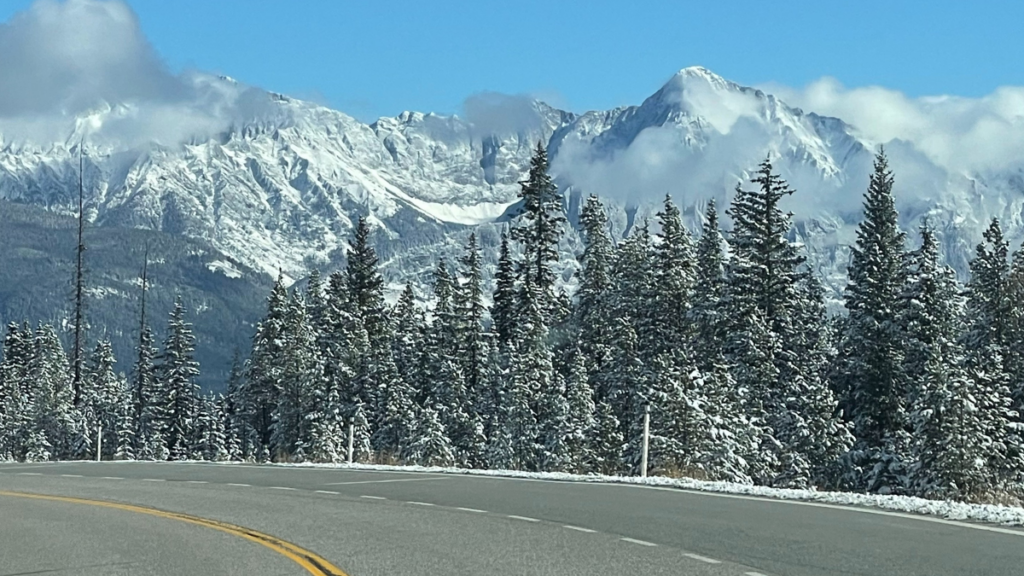
You’ll see frozen waterfalls that hang like crystal sculptures from cliff faces. Lakes turn into smooth sheets of ice.
The light in winter feels different. The sun sits lower in the sky, casting long shadows and golden hues across the snow.
On clear days, the blue sky pops against the white peaks. Early morning frost clings to trees, making scenes that look like they belong on postcards.
Winter in Banff usually starts in October and keeps going well into May. The snow doesn’t mean hiking season ends, it just means you’re trading dusty trails for crisp, snowy paths that crunch under your boots.
Fewer Crowds and Serene Landscapes
Summer brings huge crowds to Banff’s popular trails. Winter flips that on its head.
You’ll share the trails with far fewer people, so it’s much easier to find peaceful moments in nature. The popular summer destinations become quiet winter retreats.
You can pause at viewpoints without waiting for others to move. The sounds of nature come through much clearer when you’re not surrounded by dozens of other hikers.
This solitude really enhances your experience. You’ll hear the creak of snow settling on branches and the distant call of ravens.
Your footprints might be the only ones on the trail for stretches at a time. There’s something special about that, isn’t there?
Types of Winter Hiking Experiences
Banff winter hikes range from easy walks to challenging backcountry adventures. Easy trails stick to flat terrain near townsites, perfect if you’re new to winter hiking.
These paths are usually well packed and maintained. Moderate trails take you into more varied terrain with gentle elevation changes.
You’ll want microspikes for traction on icy sections. These hikes reward you with views of frozen waterfalls and snow covered valleys.
Advanced winter hiking in the backcountry requires proper avalanche training and equipment. Avalanche season stretches from November to June in the mountains.
You have to check conditions and bring safety gear if you plan to venture beyond designated winter trails.
Essential Safety and Preparation for Winter Hiking
Winter hiking in Banff takes serious preparation because of cold temperatures, icy trails, and avalanche terrain. You need proper gear, up to date trail information, and knowledge of winter hazards before heading out.
Understanding Avalanche Risk and Terrain
Avalanche terrain poses one of the most serious threats to winter hikers in Banff National Park. You must avoid avalanche terrain unless you have the right knowledge and avalanche safety training.
Before any hike, check the current avalanche forecast at the Parks Canada Avalanche Information page. They rate avalanche risk on a five level scale from low to extreme.
Even on low risk days, avalanches still happen in steep terrain. Learn to spot avalanche terrain features. Slopes between 30 and 45 degrees are the most dangerous.
Gullies, bowls, and spots below cornices also bring high risk. Stick to recommended winter walking trails that avoid avalanche paths.
Many popular summer trails cross avalanche terrain and become extremely dangerous in winter. If you want to travel in avalanche country, you need avalanche training, proper equipment (beacon, probe, and shovel), and experience reading terrain.
Checking Weather Forecasts and Trail Conditions
Check the weather forecast before every winter hike in Banff. Mountain weather changes fast and temperatures can drop dramatically.
Visit 511.alberta.ca for road conditions and weather updates. The Banff Visitor Centre gives current trail conditions and closure info.
Parks Canada also posts trail reports online with details about ice, snow depth, and recent hazards. Weather conditions affect trail safety a lot.
High winds boost avalanche risk and create dangerous wind chill. Fresh snow can hide ice underneath or make trail finding tough.
Cold snaps below -20°C need extra caution and preparation. Plan your hike around daylight hours as winter days are short, with darkness showing up by 5:00 PM in January.
Start early and leave extra time for slower travel on snow and ice. It’s no fun getting caught out after dark in the cold.
Winter Hiking Gear and Clothing
Winter hiking needs gear beyond what you use in summer. Ice cleats or microspikes are essential for most trails, and trekking poles help with stability on icy surfaces.
Essential Clothing Items:
- Insulated, waterproof boots rated for cold temperatures
- Moisture wicking base layers
- Insulating mid layers (fleece or down)
- Waterproof, windproof outer shell
- Warm hat, gloves, and extra mittens
- Neck gaiter or balaclava
Pack a first aid kit with supplies for treating hypothermia and frostbite. Bring extra food and water.
Water freezes quickly, so use insulated bottles or keep water inside your jacket. Carry navigation tools including a map, compass, and GPS device.
Download offline maps before you leave. A headlamp with extra batteries is a must since darkness comes early.
Consider a satellite phone for areas with no cell service. Tell someone your hiking plan and expected return time—just in case.
Wildlife Safety and Emergency Preparedness
You’re responsible for your own safety while hiking in Banff. Wildlife stays active through winter, and bears sometimes come out during warm spells.
Carry bear spray in an accessible pocket, not buried in your pack. Know how to use it before you need it.
Make noise while hiking to avoid surprising wildlife. Elk and deer can get aggressive, especially when food is scarce.
Visit parksmountainsafety.ca for more safety info and current warnings. This site gives essential details about wildlife activity and seasonal hazards.
Pack emergency supplies including fire starting materials, an emergency blanket, extra food, and a whistle. Know basic first aid and how to spot hypothermia symptoms: shivering, confusion, slurred speech, and loss of coordination.
If conditions go sideways, turn back. No summit or viewpoint is worth risking your safety.
Check for trail closures before heading out, since Parks Canada sometimes closes trails when hazards are too high.
Top Easy Banff Winter Hiking Trails
Winter hiking in Banff doesn’t require advanced skills or lots of experience. These accessible trails offer minimal elevation gain and well maintained paths, perfect for enjoying fresh mountain air without getting into tough terrain.
Fenland Trail
The Fenland Trail delivers a quick 2.1 kilometre loop that takes about 30 minutes to finish. You’ll find the trailhead parking lot along Mount Norquay Road, just minutes from the Banff townsite.
This trail winds through dense forest with only 55 metres of elevation gain. The flat terrain makes it one of the easiest winter hikes in the area, though you should watch for elk along the path.
The heavy tree cover means limited mountain views, but you might spot small mammals during your walk. Trail conditions can get icy, so microspikes are recommended for safe footing.
If you want better views after your short hike, head to Vermilion Lakes Drive where you can see Mount Rundle without adding elevation to your day.
Marsh Loop
Starting at the Cave and Basin National Historic Site parking lot, the Marsh Loop covers 2.8 kilometres with 80 metres of elevation gain. You’ll finish this easy winter hike in about an hour.
The trail follows marked walkways along the Bow River, making it suitable for young children and visitors with limited mobility. Informative plaques describe local fauna and birdlife you might spot during your walk.
You’ll get excellent views of the Sundance Range and Cascade Mountain throughout the loop. The gentle terrain and educational elements make this a relaxing way to experience winter landscapes near the Banff townsite.
Bow River Trail
The Bow River Trail gives you multiple access points throughout Banff, so you get flexibility in distance and duration. This flat, riverside path provides stunning views without much elevation change.
You can start from various locations including near the Banff Visitor Centre or along Bow Avenue. The trail follows the river’s edge, offering views of surrounding peaks and wildlife habitat.
In winter, the contrast between flowing water and snow covered banks creates beautiful scenery. This short walk works well for all fitness levels and ages.
The proximity to town means you can easily combine it with other activities during your visit.
Johnson Lake Route
The Johnson Lake Trail spans 3.1 kilometres with only 60 metres of elevation gain, taking roughly an hour to finish. The parking area sits a short drive from the Banff townsite, so it’s easy to access for morning or evening walks.
This straightforward loop circles the lake through forest and open areas. You’ll get impressive views of Cascade Mountain rising above the water, especially striking against winter snow.
The even terrain and minimal elevation make this suitable for beginners. When the lake freezes solid, locals use it for ice skating.
The trail connects to the Lake Minnewanka area, though you should stick to the Johnson Lake loop for an easy winter hike. The peaceful setting and mountain scenery make this a favourite among visitors seeking fresh mountain air without strenuous effort.
Most Beautiful Moderate and Scenic Trails
Winter changes Banff’s moderate trails into stunning showcases of frozen waterfalls, panoramic mountain views, and snow covered lakeshores. These trails offer more challenge than easy walks but reward you with some of the park’s most dramatic winter scenery.
Johnston Canyon to Lower and Upper Falls
Johnston Canyon stands out as one of the most popular hikes in Banff during winter. The frozen waterfalls just make it obvious why. The trail leads you along steel catwalks bolted to the canyon walls. You’ll get views of huge ice formations and the frozen creek way below.
You get to pick between two destinations on this trail. Lower Falls sits 1.1 kilometers from the trailhead with 30 meters of elevation gain. It takes about 45 minutes one way.
If you keep going to Upper Falls, the hike stretches to 2.7 kilometers with 120 meters of elevation gain. Expect about 90 minutes to reach the upper viewpoint.
Ice cleats are essential here because those catwalks turn ridiculously icy. Packed snow and steady foot traffic keep the trail slick all winter. You’ll probably spot ice climbers scaling the frozen cascades, which adds a bit of thrill to the outing.
The trail starts from Bow Valley Parkway, around 23 kilometers northwest of Banff townsite. I recommend arriving early in the morning to dodge crowds, since this spot stays busy all winter long.
Tunnel Mountain Summit Trail
Tunnel Mountain gives you panoramic views of the Bow Valley, Mount Rundle, and the townsite from its 1,692 meter summit. The trail starts right in town, making it great for a morning hike before breakfast or a lazy afternoon wander.
The 4.5 kilometer return hike climbs 260 meters through steady switchbacks. You’ll need about two hours for the round trip. The trail usually stays well packed because so many people use it, but ice cleats remain highly recommended on the steeper bits.
Views start to open up as you gain height, showing off the Banff Springs Hotel and Sulphur Mountain. The summit gives you a full 360 degrees of mountain scenery. In winter, you get way fewer crowds than summer, so it’s a more peaceful reward at the top.
Bring warm layers since the summit gets windy and can feel much colder than the trailhead. The exposed upper stretches offer almost no shelter from the elements.
Hoodoos Viewpoint via Surprise Corner
The Hoodoos Trail mixes geology and scenery in a pretty moderate winter walk. These tall rock pillars, shaped over thousands of years, stand like ancient sentinels above the Bow River.
Starting out from Surprise Corner, the trail follows the Bow River for 5 kilometers return with barely any elevation gain. It winds through quiet forests before opening to views of the hoodoos and the surrounding peaks. Plan on about 90 minutes for the whole thing.
Ice cleats help with the slick spots, though this trail gets less traffic than Johnston Canyon or Tunnel Mountain. The riverside setting means you might spot wildlife tracks in the snow. The hoodoos themselves make for some dramatic photos against the snowy landscape.
Lake Louise Lakeshore Trail
The Lake Louise Lakeshore Trail gives you easy access to one of the most photographed places in the Canadian Rockies. The flat, 4 kilometer return path starts at Chateau Lake Louise and follows the frozen lake all the way to the far end.

Victoria Glacier looms ahead as you walk over the lake’s surface once it’s frozen solid. The trail takes about 90 minutes return, with zero elevation gain. At the end of the lake, you’ll see a massive ice climbing wall—often with climbers making their way up the frozen cascade.
Stick to the marked lakeshore trail and don’t wander up the path toward Lake Agnes Tea House, since that area has avalanche risk. The Lake Louise area also offers winter activities like skating on the lake right near the chateau.
If you want a more relaxed experience, horse drawn sleigh rides are a great alternative to walking. This trail might be the best winter hike for scenery-to-effort ratio, honestly, it gives you iconic mountain views without any technical hassle.
Other Remarkable Winter Trails near Banff
If you want to skip the crowds, there are several outstanding trails that show off Banff’s winter scenery and offer a range of difficulty levels. These paths take you to frozen lakes, mountain viewpoints, and wild areas that highlight different sides of the park’s winter landscape.
Sulphur Mountain Route
Sulphur Mountain stands as one of Banff’s toughest winter hikes, with 655 meters of elevation gain over 5.5 kilometers. You can do the full 11 kilometer round trip or just take the Banff Gondola up and hike down if you want to save your legs.
The trail climbs through steep switchbacks, so you’ll need ice cleats and hiking poles. It’s important to stay on the marked path, since avalanche risk exists in the areas beside the trail. Packed snow often turns icy, especially where the sun doesn’t reach.
At the summit, you’ll arrive at the Above Banff Interpretation Centre and Sky Bistro, which claims the title of Canada’s highest elevation dining room. The views stretch out over multiple mountain ranges and the Bow Valley below.
If you’re hiking both ways, plan for 3 to 4 hours. The trail starts right from Banff townsite and you can get there on Roam Transit Route 1.
Stewart Canyon and Lake Minnewanka
Stewart Canyon gives you a moderate winter hike along the shores of Lake Minnewanka, Banff’s biggest lake. The 4.2 kilometer return trail hugs the frozen lakeshore before heading into a dramatic limestone canyon.
In winter, ice forms spectacular shapes along the canyon walls. The trail barely gains any elevation, so it’s good for families and casual hikers who want scenery without big climbs.
You can keep going past the canyon toward the Aylmer Lookout junction, but that adds a lot more distance and elevation. Most people turn around at the canyon viewpoint after about 90 minutes of walking.
The trailhead sits at the Lake Minnewanka day use area, roughly 12 kilometers from downtown Banff along the Minnewanka Loop road. Ice cleats are handy for traction on the packed trail.
Spray River and Sundance Canyon
The Spray River trail gives you a gentle riverside walk through snowy forest, perfect for cross country skiing or snowshoeing. This 12 kilometer trail follows the Spray River valley and barely changes elevation.
Sundance Canyon is just 3.8 kilometers from the trailhead, with a short loop through a narrow canyon lined with frozen waterfalls. The main trail keeps going past Sundance if you want a longer adventure into the backcountry travel zone.
Both trails stay below treeline, so you get natural avalanche protection. The wide, packed trail lets skiers and hikers share the route comfortably. Along the way, you’ll cross bridges over the river and see interpretive signs about the local ecology.
You can access the trailhead from the Cave and Basin National Historic Site parking area. These routes connect to longer trails that head deeper into the park’s wild areas.
Peyto Lake and the Icefields Parkway
Peyto Lake viewpoint is easily one of the quickest and most rewarding winter stops along the Icefields Parkway. The short 1.5 kilometer paved trail gains just 25 meters and takes about 45 minutes to finish.
From the viewpoint, you’ll spot Peyto Lake’s famous fox shaped outline, covered in snow and ice. The surrounding peaks of the Great Divide make a dramatic backdrop. If you catch sunset here, the valley glows in shades of pink and orange.
The nearby Bow Lake lakeshore trail runs 8 kilometers return along one of the waters of Banff National Park. This route takes 3 to 4 hours and gets you close up to Crowfoot Mountain and hanging glaciers. Watch for avalanche warning signs as you approach the far end of the lake.
Both trails sit about 45 kilometers north of Lake Louise along the Icefields Parkway. Ice cleats or snowshoes help with the packed but sometimes icy surfaces.
Planning Your Trip: Getting Around and Trail Logistics
Winter hiking in Banff takes more preparation than summer trips. You’ve got to know where to park, how to reach trailheads, and where to check up to date trail conditions before heading out.
Best Access Points and Parking Lots
Most winter trailheads in Banff have their own parking lots, and crews plow them regularly through the season. The Johnston Canyon lot fills up fast on weekends, so try to get there before 9 AM or after 2 PM for a spot. Lake Louise has a big parking area by the Chateau, but it’s packed by mid morning during peak times.
For trails near Banff townsite, you’ll find parking at the Tunnel Mountain trailhead off St. Julien Road. The Fenlands Trail has a small lot on Mount Norquay Road. Minnewanka Loop area offers parking for Johnson Lake and Lake Minnewanka trails.
Parking along the Icefields Parkway at Peyto Lake and Bow Lake is limited but usually available. These lots are smaller, so you might have to wait for a space when it’s busy. Always use marked lots—parking on the roadside isn’t safe and is banned in most spots.
Navigating the Banff Townsite
Downtown Banff works as your base for a lot of winter trails. The town is compact and walkable, with most services within a few blocks. You can walk to Tunnel Mountain trailhead from downtown in about 15 minutes.
Roam Transit offers free public transit to several trailheads in winter. Route 1 runs to Sulphur Mountain, and the 8X gets you to Lake Louise. Regional Route 9 only runs on weekends and takes you to Johnston Canyon along Bow Valley Parkway.
Banff townsite has plenty of outdoor stores where you can rent ice cleats, snowshoes, and poles if you forgot yours. These shops are on Banff Avenue and easy to spot as you explore downtown.
Parks Canada Visitor Centre and Trail Info
The Parks Canada Visitor Centre is at 224 Banff Avenue, right downtown. Honestly, this should be your first stop before hitting the trails. Staff can give you current trail conditions, weather forecasts, and avalanche bulletins for the spots you want to hike.
The Banff Visitor Centre opens daily at 9 AM during the winter. Here, you can grab trail maps, buy a park pass if you need one, and ask questions about trail conditions and safety. They post bear warnings and area closures on bulletin boards near the entrance too.
Check the Parks Canada website before your trip for the latest updates. The site lists which trails are maintained in winter and which require extra gear or more experience.
Seasonal Trail Closures and Updates
Winter trail closures pop up often in Banff thanks to avalanche risk, wildlife, or just hazardous conditions. Some trails close completely from November through May, while others stay open but with restrictions. The Lake Agnes Trail above Lake Louise closes every winter because of high avalanche danger.
Parks Canada updates trail status regularly based on what’s happening out there. A trail that was safe yesterday might be closed today after fresh snow or if wildlife moves through. Always double check your chosen trail is open before you go.
The trail conditions report from Parks Canada lists all current closures and warnings. This report updates a few times a week during winter. Some trails might technically be open but not maintained, so expect deeper snow and trickier footing if you go off the groomed paths.
Après-Hike Experiences and Local Winter Culture
After a day on the trails, Banff lets you warm up with hearty meals, soothing hot springs, local culture, and a lively downtown that makes winter travel memorable. The town blends mountain hospitality with Indigenous heritage and plenty of modern comforts.
Dining and Warm Drinks in Banff
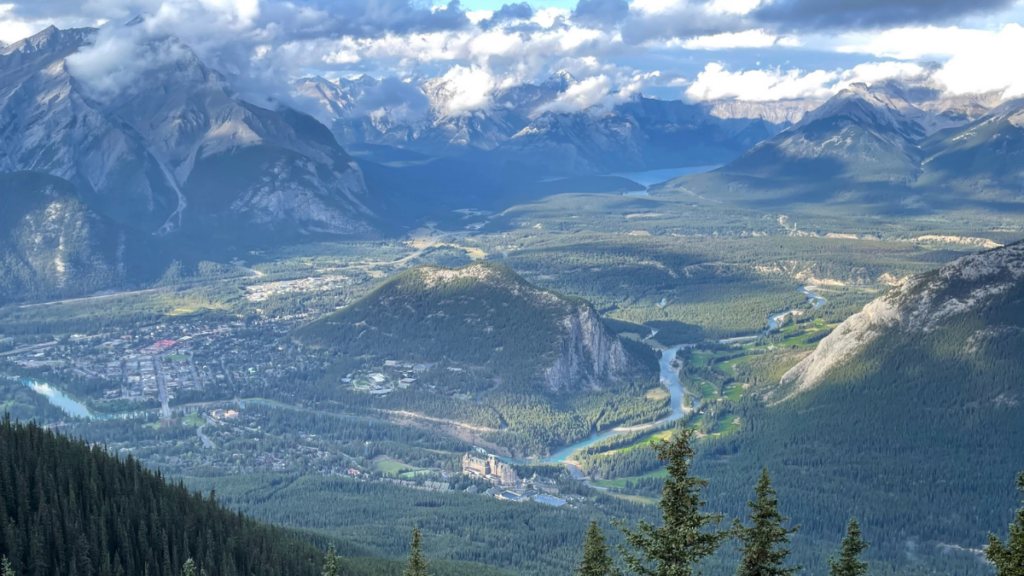
You’ll spot restaurants and cafés all over town, each serving up hearty meals that hit the spot after a long hike. Sky Bistro, perched at the top of Sulphur Mountain, pairs panoramic views with Canadian cuisine that’s a notch above the usual.
If you’re after something laid back, The Maple Leaf brings classic Canadian dishes. Or maybe you just want to grab a pizza at Bear Street Tavern—sometimes that’s exactly what you need.
Hot chocolate and coffee shops offer a quick blast of warmth on those cold days. Whitebark Café pours specialty coffee drinks, while Wild Flour Bakery bakes fresh pastries and ladles out soup that honestly tastes like comfort itself.
People tend to duck into these spots between activities, mostly to thaw out and figure out what’s next. It’s part of the Banff rhythm.
Pubs like The Elk & Oarsman and St. James’s Gate feel especially inviting when it’s chilly outside. You can try Alberta beef, bison burgers, or a big bowl of stew. Seriously, nothing warms you up faster in winter.
Relaxation and Hot Springs Options
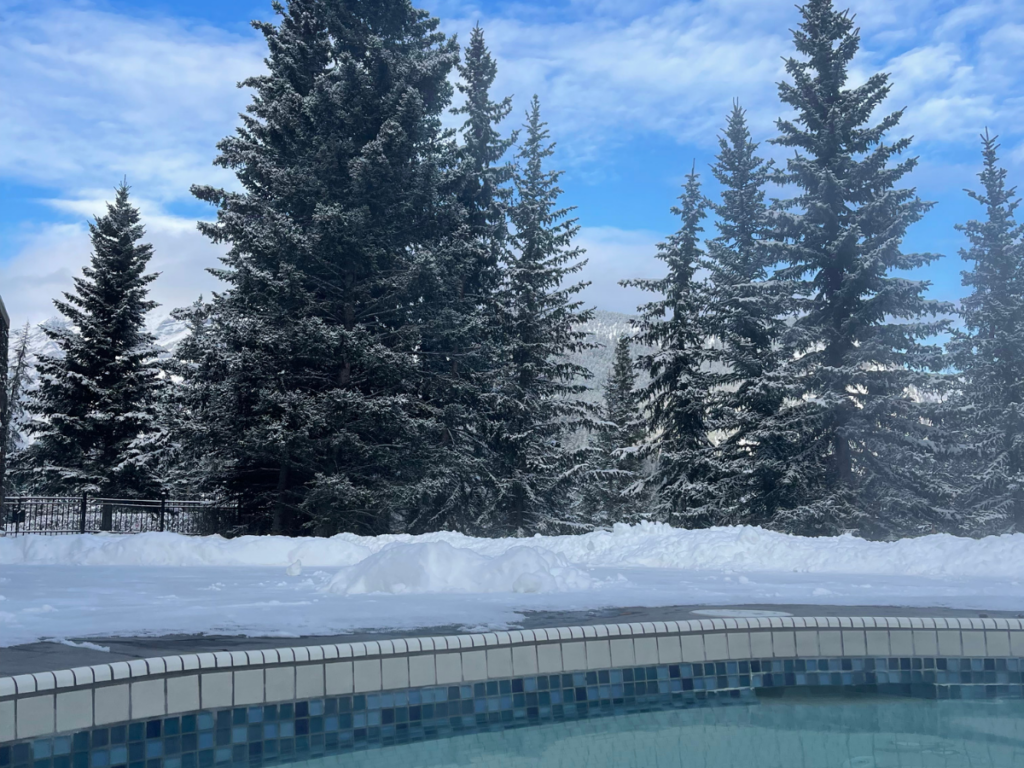
The Banff Upper Hot Springs stays open year round, but honestly, it’s at its best in the dead of winter. You’ll soak in 37–40°C mineral water, surrounded by snowy peaks and steam clouds curling into the cold air.
That outdoor pool feels surreal when the air’s freezing. It’s a mountain experience you shouldn’t skip.
Banff Ave Spa and Willow Stream Spa at the Fairmont Banff Springs offer indoor escapes, with massages, body treatments, and hydrotherapy that really help your muscles bounce back after icy hikes.
These places know how to help you unwind. Sometimes, you just need a break from the cold.
The hot springs sit only minutes from downtown, and you can get there by car or Roam Transit Route 1. Bring a swimsuit, towel, and flip flops if you’ve got them, but you can rent what you need on site.
Exploring Indigenous Peoples’ History
The Buffalo Nations Luxton Museum tells the story of Indigenous Peoples from the Northern Plains and Canadian Rockies. You’ll see artifacts, traditional clothing, and exhibits that explain the deep connection between First Nations and these mountains.
Parks Canada runs Indigenous programming in winter—think storytelling sessions and guided experiences. These programs add context about the Stoney Nakoda, Tsuut’ina, and other nations who’ve moved through these mountains for thousands of years.
The Whyte Museum of the Canadian Rockies sometimes features Indigenous art and history in its rotating exhibits. It’s fascinating to learn how Indigenous Peoples survived winters here, long before modern hiking gear existed.
Shopping and Events in Downtown Banff
Downtown Banff has outdoor shops like Monod Sports and Atmosphere, so you can grab or rent winter hiking gear if you forgot something. They carry microspikes, ice cleats, poles, and all the warm layers you could possibly need.
Banff Avenue is lined with galleries, gift shops, and boutiques. You’ll find Canadian-made goods, mountain photography, and local artwork—everything from high fashion to quirky souvenirs.
Winter events pop up all season. SnowDays festival in January brings ice carving competitions, ski events, and outdoor concerts to town.
The center transforms with ice sculptures and festive lights, making evening strolls after your hikes feel pretty magical.
Frequently Asked Questions
Winter hiking in Banff means you need the right gear—ice cleats and poles are a must. Trails range from flat lakeside rambles to steep summit climbs where microspikes and layers really matter.
What are the top-rated winter hiking trails in Banff National Park?
Johnston Canyon to Upper Falls is hands down one of Banff’s most popular winter hikes. The 5.4 kilometer round trip takes you along catwalks through a frozen canyon, with wild ice formations that draw both hikers and climbers.
Tunnel Mountain gives you summit views on a 4.8 kilometer round trip, with 300 meters of elevation gain. The trail stays packed in winter, but you’ll want traction devices for those icy switchbacks.
Lake Louise Lakeshore offers a flat, packed trail along the frozen lake, with glacier and peak views that are honestly jaw dropping. It’s a 4 kilometer round trip with barely any elevation, so almost anyone can do it.
Stewart Canyon at Lake Minnewanka winds through forest, crosses a bridge, and slips into a canyon. The 3.1 kilometer round trip gains about 80 meters, but it can get slick in spots.
Is Johnston Canyon accessible during the winter season, and what should hikers be aware of?
Johnston Canyon stays open and accessible all winter, and honestly, the frozen waterfalls are worth the crowds. The catwalks get extremely icy, so don’t even think about skipping microspikes or ice cleats.
You’ll climb about 120 meters over the 5.4 kilometer round trip to the Upper Falls. Heavy foot traffic packs the snow down, but that also polishes the ice—so watch your step.
Try to start early to dodge the crowds and make the most of the daylight. Winter days are short here, so toss a headlamp in your bag just in case.
Dogs have to stay on leash, but honestly, the icy cliffs make this trail tough for pets. It might be best to leave your dog at home for Johnston Canyon.
Can you recommend any easy winter hiking options suitable for beginners in Banff?
Fenland Trail is a mellow 2.1 kilometer loop just outside Banff. There’s barely any elevation, and the packed forest path is perfect for spotting animal tracks in the snow.
Cascade Ponds Loop is a quick 1.4 kilometer circuit near Lake Minnewanka. Locals love this family friendly trail for fast snowshoe outings.
Bow River Trail runs 4.8 kilometers out and back along the river, with Mount Rundle and Cascade Mountain filling your view. It’s especially gorgeous at sunrise, if you’re up for an early start.
Vermilion Lakes Road closes to cars in winter, turning into a flat 4.3 kilometer route that’s great for walking or snowshoeing. The paved surface makes things easy, and Mount Rundle’s reflection in the frozen lakes is something else.
Where can I find a reliable map of Banff’s hiking trails for winter excursions?
Parks Canada keeps their website updated with official trail reports and maps, showing current winter conditions. Always check these before heading out, since weather and trail conditions can change fast.
The Banff Visitor Centre at 224 Banff Avenue sells detailed topographic maps and trail guides. Staff there can clue you in on current conditions and suggest trails that fit your experience level.
Most outdoor shops in town sell trail maps, ice cleats, and other winter hiking gear. They usually have the latest scoop on local trail conditions too.
Download offline maps to your phone before you go, since cell service drops out once you leave town. GPS works everywhere, but it won’t show real time closures, so double check before you set out.
What are the essential safety tips for hiking in Banff during the winter months?
Ice cleats or microspikes are must haves for winter trails, because packed snow and ice turn paths into skating rinks. Hiking poles add stability, especially on uneven ground.
Wear insulated, waterproof boots and dress in layers—start with a moisture wicking base, add insulating mid layers, and finish with a waterproof shell. Don’t forget gloves, a toque, and gaiters to keep out wind and snow.
Check the avalanche forecast before tackling any trail with serious elevation or mountain exposure. Skip upper sections like Cascade Amphitheatre when avalanche risk is up.
Bears sometimes wake for a bit even in winter, so bring bear spray just in case. Elk and coyotes stick around too, and they deserve the same caution as in summer.
Start hikes early to make the most of daylight, when trails tend to be more stable. Pack a headlamp, extra snacks, and emergency gear in case the weather turns or you get delayed.
Are there guided winter hiking tours available in Banff for popular trails like Stewart Canyon?
Several tour operators in Banff offer guided winter hiking experiences on popular trails throughout the national park. They’ll usually provide equipment like microspikes and poles, plus some handy local knowledge about trail conditions and wildlife.
Guided tours really help first time winter hikers who want expert guidance on proper techniques and safety protocols. Guides keep an eye on weather and tweak the route if the trail situation changes.
Stewart Canyon tours often include transportation from Banff townsite. Guides also share stories about the local ecology and geology, which keeps things interesting.
Group sizes depend on the operator. Some folks offer private tours for families or small groups, which is nice if you don’t love crowds.
You can book guided hikes for Johnston Canyon, Lake Louise, and a handful of other intermediate trails. They run tours all winter, but you might hit a snag with availability during really bad cold snaps or heavy snow.