
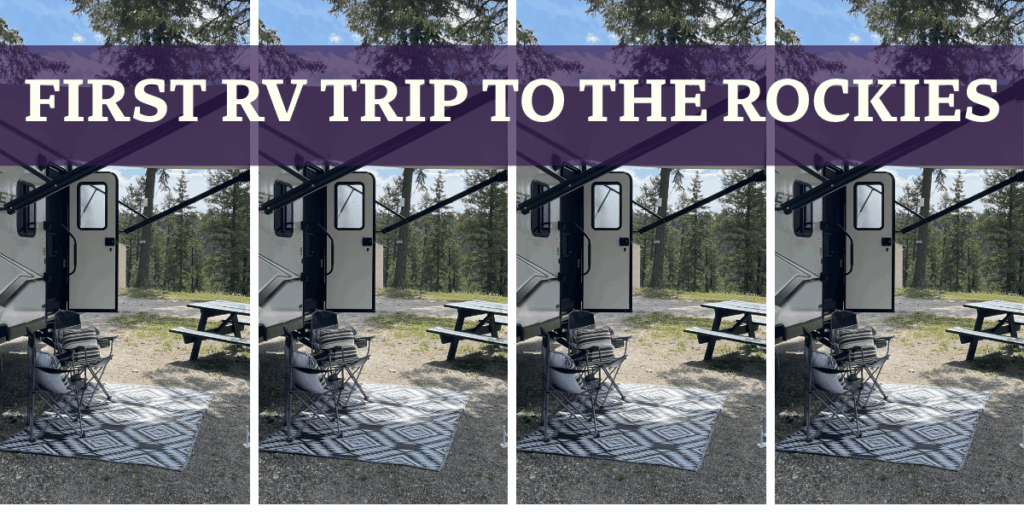
Your first RV trip to the Canadian Rockies is exciting in a very specific way. It’s part “wow, I can’t believe this view is real,” and part “wait… did I bring the sewer hose?”
And because the Rockies are not the place you want to improvise (mountain weather, steep grades, limited services, busy parks), a checklist is the difference between a smooth trip and a stress spiral in a Banff parking lot.
So here’s a mistake-proof, first-timer-friendly checklist you can follow step by step. It’s written for the Canadian Rockies, but most of it applies anywhere. If you want a printable version, Along The Rockies also has a downloadable RV resource directly below that you can keep in your glove box for every trip.
Disclosure: Some of the links in this post are ‘affiliate links’. This means if you click on the link and purchase the item, I will receive an affiliate commission.
This Post Is All About First RV Trip To The Rockies
Before you book anything: 3 quick reality checks
1) Know what kind of camping you’re actually doing
A lot of first-time RVers book a campground based on photos, then realize too late they booked:
- No hookups (no power, water, or sewer)
- Electric only
- Overflow camping (common during peak season)
Make sure you know what your RV can handle, and what you personally can handle on day one. My suggestion is to go with a full hook up site with level parking pads to ensure you have an easier time getting setup.
2) Don’t underestimate distances (and time) in the Rockies
A drive that looks short on the map can be slow in reality because of:
- Mountain passes
- Wildlife traffic jams
- Construction
- Tight campground check-in windows
Plan fewer stops, not more. Your future self will thank you.
3) Understand the unique aspects of exploring the Rockies
The stunning landscapes and breathtaking views come with their own set of challenges. It’s essential to prepare adequately for these unique conditions to ensure a memorable and enjoyable experience.
3) Assume weather will change quickly
Even in summer, mountain nights can be cold. In shoulder seasons, snow is not a crazy surprise. Your packing and setup should assume you might get:
- Hot sun
- Cold rain
- Wind
- Frost overnight
We once hit snow in June coming back from the Kootenays and although it was minimal, it showed us that mountain weather is Bi-Polar…
The “bookings and paperwork” checklist (do this first)
Reservations
- Campgrounds booked (confirm RV length limits and hookup type)
- Park passes sorted (Banff, Jasper, Kananaskis, Yoho, Kootenay areas often require passes for day use and entry)
- If needed, reserve shuttle tickets in advance for popular spots like Lake Louise and Moraine Lake.
Tip: Always have a backup campground or alternate night planned, especially on weekends when sites fill up fast.
RV documentation and access
- Driver’s license (check if your RV size requires anything special where you live)
- RV rental agreement (if renting) and emergency number saved
- Proof of insurance
- Roadside assistance details (RV-specific if possible)
- Campground confirmations saved offline (screenshots help when service is spotty)
Safety and emergency info
- Offline maps downloaded (Google Maps offline or a dedicated GPS)
- Emergency contacts written down
- Basic plan for “what if we lose cell service?”
Additional Tips for RV Preparation
When preparing for an RV trip, it’s essential to consider the type of RV you’ll be using. You might want to explore the differences between aluminum vs fiberglass RV, as this could influence your packing list.
Also, ensure that your RV is equipped with the best tires suitable for various terrains. It’s also wise to have a good understanding of RV essentials that you should carry along.
Lastly, don’t forget about the exterior of your RV. Depending on the weather conditions you anticipate, investing in the best wax for your RV can protect it from harsh elements.
The “RV setup and inspection” checklist (your no-regrets walkthrough)
This is the part most first-timers rush. Don’t.
Exterior walkaround
- Tires: pressure set correctly (including spare), no cracks, lugs look secure
- Lights: brake lights, turn signals, running lights working
- Mirrors adjusted
- Roof and vents: quick check for obvious damage (especially on rentals)
- Awning: opens and closes properly
- Steps: stable, not loose
Hookups and connections
- Propane: tank filled, valves working, leak check if you know how
- Battery: charged, terminals clean and tight
- Shore power cable: present and fits your RV (plus adapters if needed)
- Fresh water hose: dedicated potable hose, not the same hose you use for anything else
- Sewer hose: present, not cracked, plus fittings and a way to support it if needed
- Water pressure regulator and inline filter packed
- Leveling blocks or boards packed
Inside systems check (before you leave the driveway)
- Fridge works on the correct mode (electric/propane as needed)
- Stove lights properly
- Furnace and/or heater tested (even in summer, test it)
- Water pump runs and builds pressure
- Hot water heater operation understood (and you know if it’s full before turning it on)
- Toilet flush works
- Slide-outs work (if you have them)
- Backup camera working (if equipped)
Must-know RV “don’ts” (seriously)
- Never drive with the TV antenna up
- Never turn on the water heater unless you’re sure it has water
- Don’t tow without confirming hitch and safety chains are correct
- Don’t trust the previous owner or rental company to have packed what you need
The “driving the Rockies” checklist (so you don’t cook your brakes)
Mountains are not the place to “figure it out as you go.”
Before every drive day
- Check weather and road conditions (especially for passes)
- Confirm fuel level (don’t run it low in remote stretches)
- Secure everything inside: cupboards latched, loose items stored, coffee maker not flying off the counter
- Water level: travel with only what you need (extra weight matters on grades)
- Route confirmed with RV-friendly roads (avoid random shortcuts)
For those considering a new adventure, buying a new travel trailer can be an exciting step. However, it’s essential to have a comprehensive checklist to ensure you’re fully prepared for your journey. This comprehensive summer RV maintenance pre-trip checklist can help you ensure that your vehicle is in perfect condition for your trip.
On steep grades
- Use lower gears early (don’t wait until you’re struggling)
- Descend slowly and steadily, not fast with panic braking
- Leave extra following distance (wildlife and sudden stops happen)
- Pull over safely if you feel rushed or overloaded
Parking and town stops
- Plan grocery stops before you reach tight tourist areas
- Use RV-friendly lots when possible
- If you’re unsure about a spot, get out and look before you commit
The “campground arrival” checklist (your first 20 minutes on site)
This is where most rookie mistakes happen: you’re tired, it’s busy, and you want dinner.
First: Do a quick site check
- Confirm you’re in the correct site number
- Look for hazards: low branches, big rocks, uneven ground, fire pit placement
- Check where hookups are located (don’t park so your cords can’t reach)
Second: Level first
- Level side-to-side before unhooking or extending slides
- Chock wheels before you unhook (if towing)
Third: Hookups in the right order
Power
- Plug in using surge protector (if you have one)
- Use the right adapter (30A/50A as needed)
Water
- Regulator attached
- Filter attached
- Hose connected and checked for leaks
Sewer
- Sewer hose connected and secured
- Valves closed unless you’re actively dumping (common best practice: keep black tank closed)
Step 4: One calm systems check
- Fridge running
- Heat or AC set
- Water heater on (only if full)
- Slides/awning out only if the site allows and wind is safe
The “dumping tanks” checklist (not fun, but you’ll survive)
If you’ve never dumped tanks before, you’re not alone. Everyone learns once.
What to bring
- Disposable gloves
- Hand sanitizer
- Sewer hose + clear elbow (helps you see when it’s done)
- Dedicated rinse hose (non-potable)
- Liquified Tank treatment (Use code ROCKIES15 at checkout to save 15% of your purchase)
Dump station basics
- Line up and wait your turn (don’t block the road)
- Connect sewer hose securely before opening valves
- Dump black tank first, then gray tank (gray helps rinse the hose)
- Rinse if available, then close everything tightly
- Store gear in a dedicated bin (keep it away from fresh water stuff)
The “Rockies-specific essentials” checklist (stuff people forget)
Weather and comfort
- Warm layers (even in July, evenings can surprise you)
- Rain gear
- Extra blankets
- Outdoor mat (keeps dirt and mud out of your RV)
- Headlamps or flashlights (campground nights get dark fast)
Wildlife-aware camping
- Bear-safe food storage plan (coolers, bins, and scented items managed properly)
- Never leave food out (including on picnic tables)
- Trash bags and a way to secure garbage until you can dispose of it properly
- Binoculars (you’ll use them constantly)
Power and water planning
- If you’re not on full hookups: know your battery capacity and what drains it
- Extra drinking water jugs (easier than refilling the whole tank)
- Basic water conservation plan (quick showers, dish bin, etc.)
The “kitchen and food” checklist (simple, not fancy)
First-time RV cooking should be boring on purpose.
Core items
- Lighter or matches (even if you have an igniter)
- 1 pot, 1 pan, basic utensils
- Cutting board + knife
- Plates/bowls/cups (reusable or disposable)
- Dish soap + sponge + small dish bin
- Paper towels, aluminum foil, zip bags
Food strategy that works
- 2 easy dinners (tacos, pasta, burgers)
- 2 easy breakfasts (eggs, oatmeal, yogurt)
- Snacks and “emergency food” (granola bars, instant noodles)
- Coffee/tea plan (important for morale)
The “sleep and sanity” checklist (this matters more than gadgets)
Inside the RV
- Bedding that fits your RV mattress (RV sizes can be weird, check out these RV basics)
- Earplugs (wind, neighbors, early risers)
- Fan (airflow helps a lot)
- Phone chargers + backup battery
- Surge protector (to protect your gadgets)
Outside
- Camp chairs
- Small table (optional but useful)
- Bug spray and/or bug nets depending on season
- Fire starter and approved firewood rules checked (fire bans happen)
- It’s also important to understand camping policies to ensure a hassle-free experience.
The “tools and quick fixes” checklist (small kit, big payoff)
You don’t need a rolling workshop. You just need the basics.
- Duct tape
- Zip ties
- Basic tool kit (screwdriver, pliers, adjustable wrench)
- Tire pressure gauge
- Work gloves
- Fuses (if you know what your RV uses)
- A few spare bulbs (optional, but handy)
In addition to these tools, it’s also essential to understand some RV living tips to make your experience smoother.
The “night-before” checklist (your calm reset)
Do this the night before departure so you’re not rushing in the morning.
- Confirm route, check-in times, and weather
- Charge phones, cameras, battery packs
- Fill propane if needed
- Pre-cool the fridge (turn it on early if possible)
- Load heavy stuff low and balanced
- Set out “arrival essentials” where you can reach them first (level blocks, chocks, power cord, water hose)
The “leaving the campsite” checklist (the stuff people literally drive away with)
This is where expensive mistakes happen.
- All cabinet doors latched
- Loose items secured
- Antenna down
- Steps up
- Awnings in and locked
- Slides in and locked
- Power cord unplugged and stored
- Water disconnected and stored
- Sewer disconnected, rinsed, and stored
- Wheel chocks removed
- Final walkaround (do not skip)
- Campsite checked for forgotten items (mat, chairs, leveling blocks)
A simple “first-timer itinerary rule” (so your trip stays fun)
If this is your first RV trip to the Rockies, try this approach:
- Day 1: Drive in, set up, do something small nearby.
- Day 2: One big destination day (Lake, hike, gondola, scenic drive).
- Day 3: A slower day (short walk, town day, relax).
- Day 4: Move camps if needed, but keep the drive short.
The Rockies will still be there. Rushing is the easiest way to make the trip feel harder than it needs to be.
Want the printable version?
If you like having a one-page checklist you can print (or keep on your phone), head over to Along The Rockies. This site not only offers destination guides and campground tips but also provides downloadable RV resources specifically designed for trips like yours. Their extensive information is especially beneficial for exploring popular areas around Banff, Lake Louise, and Jasper.
Quick final reminder
You do not need to be an RV expert to have an amazing first Rockies trip.
You just need:
- A short plan
- A solid checklist
- Enough time to slow down when something feels confusing
Save this post, run the list from Along The Rockies, and you’ll avoid 90 percent of the rookie mistakes before you even hit the highway.
FAQs (Frequently Asked Questions)
What types of campground hookups should I know about before booking an RV trip to the Canadian Rockies?
Before booking, it’s important to understand the different types of campground hookups available: no hookups (no power, water, or sewer), electric only, full hookups (power, water, and sewer), and overflow camping during peak seasons. Knowing what your RV can handle and your comfort level with these options will help ensure a smooth experience.
How should I plan my driving itinerary in the Canadian Rockies to avoid delays?
Driving in the Rockies can take longer than expected due to mountain passes, wildlife traffic jams, construction, and tight campground check-in windows. It’s best to plan fewer stops rather than more and allocate extra time for each leg of your journey to reduce stress and enjoy the scenery safely.
What weather conditions should I prepare for when RV camping in the Canadian Rockies?
Mountain weather is highly variable. Even in summer, nights can be cold; in shoulder seasons, snow is possible. Be prepared for hot sun, cold rain, wind, and overnight frost by packing versatile clothing and ensuring your RV setup can handle sudden weather changes.
What essential documents and reservations do I need before starting my RV trip in the Canadian Rockies?
Ensure you have campground reservations confirming RV length limits and hookup types, park passes for areas like Banff and Jasper, any necessary shuttle bookings, backup plans for accommodations, a valid driver’s license suitable for your RV size, rental agreements if applicable, proof of insurance, roadside assistance details specific to RVs, and offline copies of all confirmations.
What pre-trip RV setup checks are crucial to avoid issues on the road?
Perform a thorough exterior walkaround checking tire pressure and condition (including spare), lights functionality, mirror adjustments, roof and vent integrity, awning operation, and step stability. Check propane tanks for leaks and fullness; ensure battery charge and clean terminals; verify shore power cable compatibility; pack fresh water hoses (potable only), sewer hoses with fittings; include water pressure regulators and leveling blocks. Inside, test fridge operation modes, stove ignition, furnace/heater function even in summer, water pump pressure, hot water heater status, toilet flush operation, slide-outs if present, and backup camera functionality.
What common RV mistakes should first-timers avoid when camping in mountainous regions like the Canadian Rockies?
Never drive with the TV antenna up as it can damage your RV; never turn on the water heater unless you’re sure it’s filled with water to avoid damage; don’t tow without confirming that your hitch and safety chains are correctly installed; always verify equipment condition instead of trusting previous owners’ claims to prevent breakdowns or accidents.
Leave a Reply