
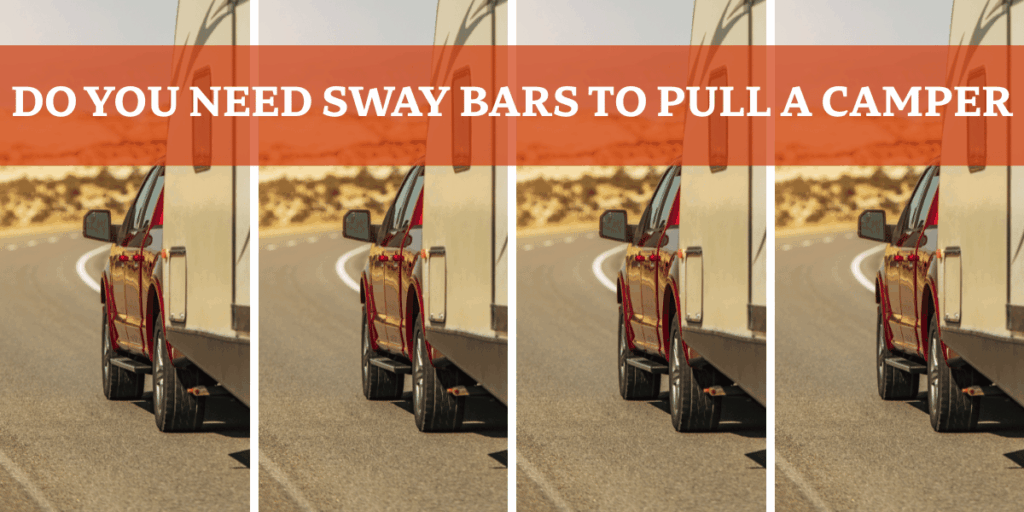
So, do you really need sway bars to pull a camper? For most travel trailers over 20 feet or weighing more than 3,500 pounds, you’re going to want some sort of sway control equipment if you care about safe handling on the highway.
The side to side motion of a trailer can go from a minor annoyance to a pretty scary loss of control fast, especially when you’re passing big trucks or dealing with crosswinds.
Figuring out if your towing setup actually needs sway control equipment isn’t always black and white.
It depends on your trailer’s weight, length, design, and what your tow vehicle can handle. The mix of these factors really decides if your rig is going to fishtail or stay steady, and that’s what makes towing either stressful or just a drive in the park.
This guide digs into the mechanics of trailer sway, takes a look at how different control systems actually work, and tries to help you figure out what equipment fits your setup.
Do You Really Need Sway Bars To Pull A Camper?
Why does your camper sometimes feel like it’s got a mind of its own? And which stabilization system actually makes sense for your towing style?
There’s no law in most places that says you have to use sway bars, but they add a level of stability for travel trailers that’s hard to argue with. Whether you need them? That’s all about your towing setup, trailer size, and what kind of roads and weather you’re going to face out there.
When Sway Bars Become Essential
Some towing setups just beg for sway bars if you want to stay safe. Are you pulling a long travel trailer with a short wheelbase tow vehicle? Physics is not on your side, and trailer sway gets a lot more likely in those situations.
High risk scenarios include:
- Travel trailers over 20 feet towed by compact SUVs or trucks
- Lots of highway driving above 80 km/h
- Routes with strong crosswinds or mountain passes
- First time towers who haven’t dealt with camper sway before
Your trailer’s size really matters here. Big, tall, or wide trailers catch more wind, and that higher centre of gravity? Not your friend. One gust from a passing truck can start your camper swaying, and if you don’t have the right control system, that can get out of hand fast.
Fifth wheel trailers don’t need sway bars since they attach over your tow vehicle’s rear axle, which keeps things inherently more stable. Regular travel trailers just don’t have that advantage.
Risks of Towing Without Sway Control
If you tow without any trailer sway control, you’re honestly asking for trouble. What starts as a little side to side movement can turn into wild swinging that even experienced drivers can’t always fix.
The faster you go, the worse any imbalance gets. At highway speeds, your trailer’s relative mass increases, so even a small weight issue can snowball. What feels fine at 60 km/h? It might be a nightmare at 100 km/h.
Consequences of uncontrolled sway:
- Damage to your trailer frame and suspension
- Bent hitches and receiver damage on your tow vehicle
- Jackknifing that leads to rollovers
- Multi vehicle pileups if you lose it in traffic
Without sway control, you’re totally at the mercy of perfect weight distribution and good weather. Even if you load your trailer just right, a surprise wind gust or having to swerve in an emergency can still set off sway.
Manufacturer and Legal Requirements
Most places don’t legally require sway bars for recreational towing, but manufacturers often throw them in as standard equipment. A lot of single axle travel trailers come with sway bars already on them because they know how important they are for safe towing.
Your trailer’s manual usually spells out what equipment they recommend based on gross vehicle weight rating. Manufacturers know their liability, so they’re quick to recommend sway control for trailer stability.
Insurance companies might ask about your towing setup if you file a claim. They probably won’t deny you just for not having sway bars, but if your setup looks negligent, it could make accident claims a headache.
Honestly, the peace of mind is worth it. Sway bars usually run between $150 and $400, which is nothing compared to the cost of an accident or just the stress of gripping the wheel for hours in the wind.
Understanding the Causes of Camper Sway
Camper sway happens when outside forces or even your trailer’s own design mess with the stable connection between your tow vehicle and trailer. Wind, bad weight distribution, and certain trailer features all play a part in that unnerving side to side motion.
The Role of Wind and Passing Vehicles
When a gust of wind hits your trailer, it pushes against the side and can start it swaying. Heavy winds just make things worse, especially with tall campers that have a lot of surface area for the wind to grab onto.
Passing semis kick up big air drafts that can really throw your trailer around. That turbulence from trucks hits fast, and if you’re not expecting it, it can be pretty jarring.
It doesn’t even have to be a storm. Moderate winds at highway speed are enough to make things sketchy, since the faster you go, the more any sideways force matters. Suddenly, even a “normal” breeze feels a lot stronger.
Common wind related triggers:
- Sudden crosswind gusts on open highways
- Side drafts from passing trucks
- Wind tunnels under overpasses
- Exposed bridges and high roads
Improper Weight Distribution
Bad weight distribution is one of the easiest sway causes to avoid, but people still mess it up. If you load cargo unevenly or put too much weight toward the back, you’ll reduce trailer tongue weight and make things unstable.
You want about 60% of your cargo weight toward the front, near the hitch. Putting heavy stuff up high in your camper raises the centre of gravity, which just makes the whole thing more likely to roll and sway.
If you load all your heavy gear on one side, that creates a side to side imbalance. The trailer reacts more to bumps and wind, and you’ll feel it in the driver’s seat.
Honestly, the total trailer weight isn’t as important as how you spread it out. You could be way under your towing limit and still get scary sway if your load is all wrong.
Trailer Design Factors
The kind of trailer you tow really affects how much it might sway. Long travel trailers paired with short wheelbase vehicles? That’s just a recipe for more leverage and, unfortunately, more sway risk.
How the trailer frame and suspension are built changes how it handles bumps and wind. Taller trailers catch more wind, and their dry weight and height decide where the centre of gravity sits.
Single axle trailers tend to sway more than tandem axle ones because they just don’t have as much built in stability. Suspension design matters too—some setups put the centre of gravity higher up, which isn’t great for highway speeds.
Design factors that increase sway risk:
- Long trailers compared to tow vehicle wheelbase
- High profile builds with tall sides
- Single axle layout
- Elevated floor plans or stuff mounted on the roof
How Sway Bars Work for Campers
Sway bars control trailer movement by adding friction and mechanical resistance at key points where your camper connects to the tow vehicle. How well they work depends on how the system interacts with your trailer tongue weight and the leverage at the hitch ball.
Sway Control Principles
Trailer sway bars slow down side to side motion by creating resistance against the horizontal pivoting that happens at the hitch ball. When your camper starts to move laterally, the sway bar’s friction helps stop that motion before it turns into full on fishtailing.
Friction systems use brake pad material pressed against a bar or the hitch head. That resistance fights any sideways movement of the trailer tongue, making it harder for wind or passing trucks to shove your camper off track.
Mechanical systems use dual cam or projection point designs to lock things down even more. They physically keep the trailer from pivoting much at all, so sway doesn’t get a chance to build up in the first place.
Sway Bar Connection Points
The sway bar connects at the hitch head and then attaches to brackets on your trailer frame, usually right in front of the axle. That setup gives you the most leverage by putting the resistance as far from the hitch ball as possible.
Most systems use spring bars that run through the hitch head and hook onto the trailer frame brackets. The tension in those bars is what creates the friction you need for sway control, and you can adjust it depending on your trailer’s tongue weight and how rough the roads are.
Integrated weight distribution hitches combine those connection points with spring bars that level out the load. That way, you’re dealing with both the downward pressure on your rear axle and any sideways sway at the same time, which is just a smarter way to tow.
Limits of Sway Bars
Sway bars can’t fix bad loading or too much trailer tongue weight if you’re over their rated capacity. If your tongue weight is more than 15% of the total trailer weight, even the best sway control system is going to struggle because the physics just aren’t in your favour anymore.
They also can’t always handle sudden, violent forces. If you have to swerve hard or make an emergency move, that might be enough to overpower the sway bar and send the trailer swinging anyway.
Wind resistance goes up with bigger, taller campers, so sometimes standard sway bars just aren’t enough. In those cases, you either need heavier duty equipment or you’ve got to slow down and keep things within what your system can handle.
Types of Sway Control Systems
There are a few different types of sway control systems out there, ranging from friction bars to full on weight distribution setups. Each one tackles trailer movement in its own way, and some are definitely easier to install or use than others.
Friction Sway Bars
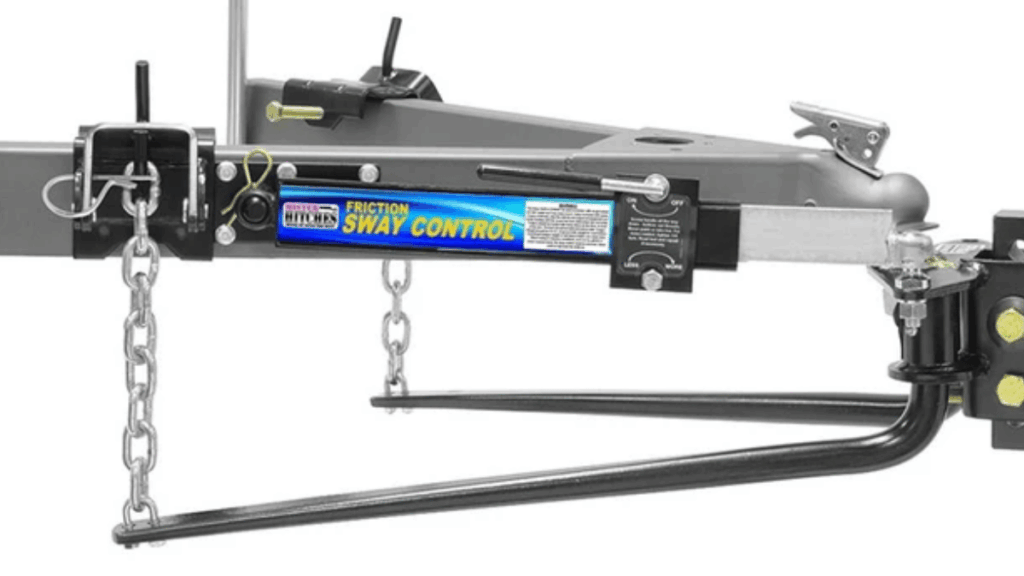
Friction sway bar systems fight trailer movement by adding resistance while you tow. These bars attach between your trailer frame and the hitch, and the friction helps calm down side to side motion.
The friction bar connects at two spots and uses adjustable tension to control sway. You can crank up or dial down the friction depending on your trailer weight and the road conditions, which is handy if things change a lot on your trip.
Installing these usually just means hooking the bar up to both the trailer frame and hitch assembly. It’s pretty straightforward compared to more complicated systems. The catch? You’ll have to disconnect friction bars to back up, which is a bit of a pain during tight maneuvers.
They’re best for lighter trailers and not too crazy towing conditions. Honestly, they’re also one of the cheapest sway control options out there.
Weight Distribution Hitches with Built In Sway Control
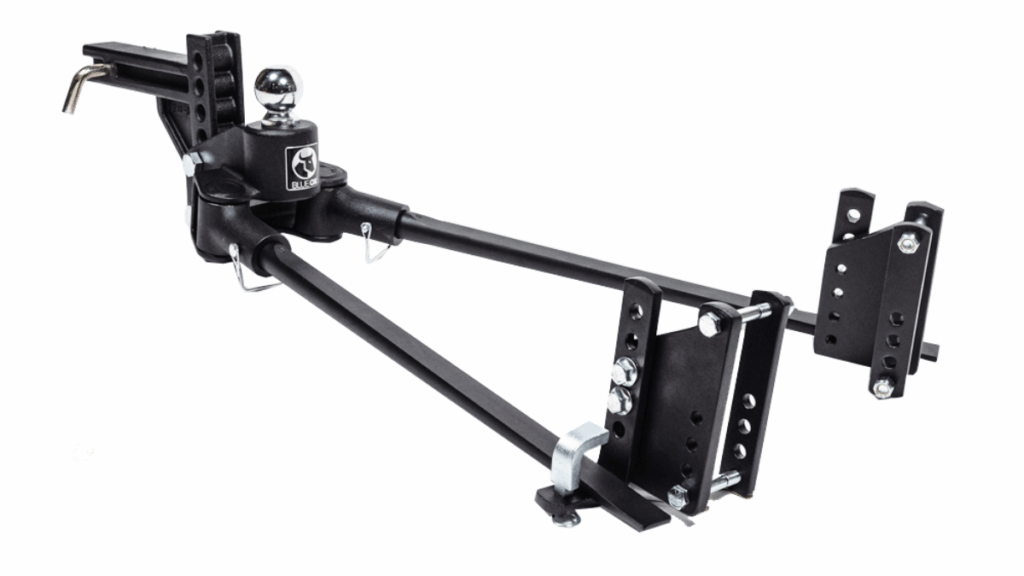
Modern weight distribution hitches often come with integrated sway control features. Systems like Blue Ox WDH combine weight redistribution and anti sway tech in a single unit.
4 point sway control systems distribute forces across four contact points. This setup gives you noticeably more stability than simpler designs.
These wd hitches use spring bars and friction surfaces or cams to control both weight distribution and trailer sway at the same time.
Built in systems have a few big perks:
- No need to disconnect when reversing
- Integrated design speeds up installation
- Better weight distribution across all axles
- More consistent performance in changing conditions
Sway control balls and dual cam designs show up a lot in premium weight distribution systems. These components work together to resist side to side movement while keeping tongue weight where it should be.
Adjustable and Aftermarket Units
Adjustable sway control systems give you the flexibility to tweak resistance for different driving situations. You can fine tune the amount of sway control you want for various weather, road surfaces, or loading setups.
People often add aftermarket sway bar systems to existing hitch setups. This lets you upgrade your towing rig without buying a whole new weight distribution hitch.
Many adjustable units have numbered settings or dials for quick changes. These systems range from basic friction bars with tension adjustments to more advanced electronic controls.
Some adjustable models let you set different resistance levels for highway speeds versus slow going.
Choosing the Right Sway System
Your trailer weight, tow vehicle, and typical routes really shape which sway control hitch system will work best for you. Match the system’s capacity to your trailer’s gross weight, not just tongue weight.
If your trailer is over 2,270 kg (5,000 lbs), consider integrated weight distribution systems with built in sway control. They give you more stability for heavier loads.
Lighter trailers under 1,360 kg (3,000 lbs) might only need basic friction bars.
Key selection factors:
- Trailer weight and length
- How often you drive on highways
- Typical wind conditions where you travel
- Your budget
- How much hassle you’re willing to deal with during installation
Test your sway control system on familiar roads before heading out on longer trips. Adjust tension or settings as needed to keep towing stable, but don’t over restrict your trailer’s natural movement during turns.
Matching Sway Bars to Your Setup
Picking the right sway control gear depends on your towing combo, including your trailer’s axle layout and the weight ratings for both your vehicle and camper. Get the wrong match and you might actually make things less safe.
Camper and Vehicle Compatibility
Your towing vehicle needs to handle the sway control system you pick. Check your vehicle’s tongue weight capacity before installing any weight distribution and sway control equipment because some systems add a fair bit of weight at the hitch point.
Trailer size really matters when picking sway bars. A 16 foot camper needs different sway control than a 30 foot one, mostly because of surface area and wind resistance.
Your old hitch might not work with newer sway control systems, so you may need to upgrade if you want to handle the added forces.
Measure the distance from your hitch ball to the trailer frame to make sure friction sway control arms will fit right. Some compact vehicles just don’t have the frame strength for certain sway bar types, so integrated hitch systems might be a better call.
Single Axle vs. Multi Axle Trailers
Single axle trailers usually sway more than tandem axle ones because of where their pivot point sits. These lighter trailers often get the most benefit from friction style sway control bars that go directly between the hitch and trailer frame.
Multi axle trailers spread weight across more contact points, but they can still sway in the right conditions. Larger trailers often come with built in sway control as part of their weight distribution system.
With more weight and length, you’ll need higher capacity gear that’s rated for heavier loads. Trailer brakes also play a role in how well sway control works. Electric brakes that sync with your tow vehicle give you a little extra peace of mind during sway events.
Weight Ratings and Limitations
Every sway control device comes with specific weight ratings you really shouldn’t ignore. Match your gross trailer weight to the sway bar’s max capacity, and leave a safety margin of at least 10 to 15 percent.
Tongue weight ratings are different from total trailer weight ratings, so your setup needs to handle both without maxing out. Most friction sway bars work for 6,000 to 10,000 pounds of gross trailer weight, while integrated systems often go up to 14,000 pounds.
If you mismatch weight ratings, you risk the sway control failing when you need it most. Double check both your vehicle’s towing capacity and your trailer’s actual loaded weight before picking equipment.
Best Practices for Safe Camper Towing
Safe camper towing takes a bit of everything: solid equipment setup, smart cargo distribution, and adaptable driving skills. All three work together to keep things stable and protect both your vehicle and everyone else on the road.
Proper Hitch Setup and Maintenance
Your hitch setup is the critical link between your tow vehicle and camper. Make sure the hitch ball size matches your trailer coupler exactly. Common sizes are 2″, and 2 5/16″.
The ball mount needs enough weight capacity for your trailer’s gross tongue weight, which should be about 10 to 15 percent of the total trailer weight.
If you use a weight distribution system, adjust the spring bars so your tow vehicle’s front axle returns to within 10 percent of its unloaded weight. This helps prevent rear squat that messes with steering and headlight aim.
Check that safety chains cross under the coupler and connect to the vehicle frame, with enough slack for turning but not so much that they drag.
Trailer brakes need regular inspection and proper controller calibration. Set your brake controller gain so trailer brakes kick in just before your vehicle brakes, stopping the trailer from pushing when you stop.
Test all connections, including the breakaway cable, before every trip. It’s a quick step that can save you from a headache later.
Loading and Balancing Your Camper
Weight distribution inside your camper really affects towing stability. Put about 60 percent of your cargo weight in the front of the trailer, ahead of the axle.
Heavy stuff like water tanks, batteries, and food should sit low and centered over the axle line. Try not to stash heavy gear in the rear compartments or up high, since that raises your center of gravity and cuts tongue weight.
Secure everything so it can’t shift during travel—even a 50 pound cooler sliding backward can throw things off. Empty holding tanks before towing unless you actually need the extra tongue weight for balance.
Weigh your loaded rig at a truck scale to make sure you stay within all your ratings: gross vehicle weight rating, gross combined weight rating, and individual axle capacities. This step gives you peace of mind and keeps you legal and safe.
Driving Techniques in Challenging Conditions
Drop your speed by 8 to 16 km/h below the posted limit when towing, especially on highways where crosswinds and big trucks can push your trailer around. Accelerate gradually and brake earlier than you would without a trailer, letting the weight settle in.
If sway starts up, try not to steer or brake hard. Instead, ease off the gas and let your speed drop naturally while holding the wheel steady. Use your trailer brakes independently with the manual controller if you’ve got one.
Don’t try to “power out” of sway by accelerating, it just makes the oscillation worse. In wet or windy weather, increase your following distance to at least six seconds. Stay away from the road edge when passing big vehicles, since their wake can shove your trailer sideways.
Go down steep grades in a lower gear to avoid brake fade and keep control.
Frequently Asked Questions
Trailer weight, length, and wind exposure influence whether you need anti-sway equipment, while proper selection depends on your hitch type and tongue weight capacity.
Your camper’s weight and length are primary considerations when determining if you need a sway bar. Travel trailers exceeding 3,000 pounds or 20 feet in length typically benefit from sway control devices due to increased surface area that catches wind.
The ratio between your tow vehicle’s weight and your trailer’s weight matters significantly. When your trailer weighs more than 50 per cent of your tow vehicle’s weight, you face higher sway risks.
Crosswinds, passing trucks, and road conditions also affect your need for sway control. If you frequently travel on highways with heavy traffic or through areas with strong winds, a sway bar becomes more critical for maintaining control.
Your hitch setup plays a role as well. Weight distribution hitches often work alongside sway bars to improve stability, making them essential components for many towable trailers.
Sway bars significantly reduce trailer sway and enhance stability, particularly during challenging driving conditions. They provide resistance against lateral movement, helping your trailer track straight behind your vehicle.
The effectiveness varies based on the type of sway control system you use. Friction sway bars offer basic resistance, while dual-cam systems provide more aggressive sway prevention through integrated weight distribution.
You’ll notice the most improvement in windy conditions or when passing large vehicles. The sway bar helps counteract the pushing force from crosswinds and the suction effect from passing trucks, maintaining your intended path.
Emergency manoeuvres become safer with proper sway control equipment installed. Quick steering corrections or sudden braking are less likely to trigger dangerous oscillations that could lead to loss of control.
Your trailer’s tongue weight determines which sway bar system you can safely use. Each sway control device has a maximum tongue weight rating that you must not exceed.
The type of hitch you have influences your sway bar options. Some sway bars integrate directly into weight distribution systems, while others attach as separate friction or cam-based devices.
Your towing frequency and conditions matter when choosing between basic and advanced systems. Occasional weekend campers might find friction sway bars sufficient, while full-time travellers often invest in dual-cam or electronic systems.
Budget considerations extend beyond the initial purchase price. Installation costs, maintenance requirements, and potential hitch modifications all affect your total investment in sway control equipment.
Anti-sway bars create resistance against lateral movement between your tow vehicle and trailer. When your trailer begins to move sideways relative to your vehicle, the sway bar applies opposing force to counteract this motion.
Friction-based systems use tension and surface contact to resist movement. These devices clamp onto the hitch ball or frame, creating friction that dampens oscillating motions before they amplify.
Dual-cam systems integrate into weight distribution hitches using spring bars and cam mechanisms. As the trailer pivots, the cams engage and create progressive resistance that increases with the severity of sway.
Sway bars help to distribute the weight more evenly whilst utilizing the trailer’s own weight to generate stability. This self-correcting action happens automatically without driver input, allowing you to maintain control during unexpected situations.
Start by attaching the sway control bracket to your trailer frame at the manufacturer’s specified location. This bracket must be securely bolted to a structural component, not decorative trim or thin sheet metal.
Mount the corresponding bracket or ball on your tow vehicle’s hitch assembly. Ensure all fasteners meet the torque specifications provided in your installation instructions to prevent loosening during travel.
Connect the sway bar between the two mounting points according to the system type. Friction bars typically slide onto a ball mount and attach to the trailer bracket, while integrated systems connect through the weight distribution setup.
Adjust the tension or engagement according to manufacturer guidelines. Too little tension provides inadequate sway control, whilst excessive tension can make turning difficult and accelerate wear on components.
Test your installation in a safe area before embarking on a journey. Drive at moderate speeds and make gentle turns to verify proper function and adjust settings as needed.
Travel trailers exceeding 20 feet in length generally require sway control due to increased leverage and wind surface area. Longer trailers create more rotational force during sway events, making them harder to control without assistance.
Trailer height affects your need for sway bars as well. Taller campers catch more wind and have higher centres of gravity, increasing susceptibility to destabilising forces.
Weight thresholds matter more than specific dimensions in many cases. Most experts recommend sway control for any travel trailer over 2,000 to 3,000 pounds, regardless of length.
Fifth-wheel trailers don’t need sway bars because they connect over the rear axle of the tow vehicle, providing inherent stability through their mounting position. This configuration eliminates the leverage effect that causes sway in bumper-pull trailers.