
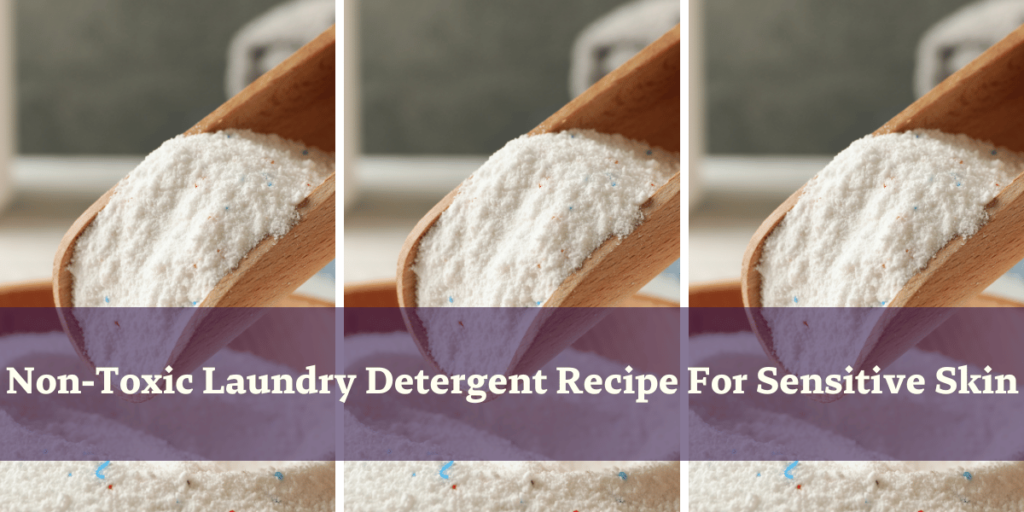
In today’s world, finding a non-toxic laundry detergent recipe for sensitive skin can feel like searching for a needle in a haystack.
With an overwhelming number of commercial laundry detergents on the market, many of which are packed with harsh chemicals and synthetic fragrances, it’s no surprise that more individuals are seeking out homemade alternatives to meet their laundry needs. These commercial products can often irritate sensitive skin and pose potential health risks, prompting a growing demand for gentler, more natural solutions.
This blog post will serve as your comprehensive guide to creating your own laundry detergent at home. We’ll explore simple, effective ingredients that are not only friendly to your skin but also environmentally sustainable. You’ll learn about the benefits of using natural components, such as baking soda, washing soda, and essential oils, which can provide cleanliness without compromising your health or the planet.
By the end of this post, you’ll have all the knowledge and tools necessary to whip up a batch of your own non-toxic laundry detergent, giving you peace of mind and fresh, clean laundry without the worry of harmful additives.
This Post Is All About Non-Toxic Laundry Detergent Recipe For Sensitive Skin
Intro To Non-Toxic Laundry Detergents
Switching to a non-toxic laundry detergent is a simple yet impactful step towards a healthier lifestyle. Conventional laundry detergents often contain toxic chemicals, such as phosphates, artificial fragrances, and surfactants, which can irritate sensitive skin, cause allergic reactions, and harm the environment. These harmful ingredients can also contribute to water pollution when they enter our waterways during the washing process.
By making your own detergent, you not only gain control over the ingredients but also reduce your exposure to harmful substances found in commercial products. This empowers you to choose safe, natural alternatives that are effective at cleaning while being gentle on your skin and the planet. Embracing non-toxic laundry options not only enhances your well-being but also promotes a more sustainable future for everyone.
Natural Ingredients
Sodium Carbonate and Baking Soda
Sodium carbonate, commonly known as washing soda, is a highly effective cleaning agent recognized for its ability to remove tough stains and odors from clothes. This ingredient works by softening water, which enhances its cleaning capability.
When combined with baking soda, which is also a gentle and natural cleaning agent, the duo significantly boosts the cleaning power of your detergent. This combination allows you to achieve remarkable results without relying on harsh chemicals, making it a safer and more environmentally-friendly choice for laundry.
Bar Soap Choices
Selecting the right bar soap is a crucial step in creating an effective detergent recipe. Opt for natural options such as fels-naptha soap or liquid castile soap. These soaps are not only effective in cleaning but are also gentle on the skin, making them suitable for those with sensitivities or allergies.
They are free from synthetic fragrances and artificial additives, ensuring that your laundry routine remains as natural as possible. By choosing the right soap, you can enhance the overall effectiveness of your homemade detergent while keeping your clothes and skin safe.
Essential Oils for Freshness
Incorporating a few drops of essential oils, such as lemon oil or lavender, can transform your laundry experience by imparting a delightful and refreshing scent. Not only do these oils contribute fragrance, but they also possess antibacterial properties, making them a beneficial addition to your homemade detergent.
Essential oils can help combat odors and create a more enjoyable laundry atmosphere without the risk of irritation often associated with synthetic fragrances. Furthermore, their natural composition aligns perfectly with the eco-friendly approach of homemade cleaning products.
Benefits Of Homemade Laundry Detergent
Cost-Effective Solution
Creating your own detergent is not only an eco-friendly choice but also a cost-effective one. The ingredients needed are inexpensive and readily available, helping you save money in the long run.
Customizable for Sensitive Skin
Commercial detergents often contain ingredients that can trigger allergies or skin reactions. By making your own, you can tailor the recipe to suit your skin’s needs, avoiding irritants and allergens.
Environmentally Friendly
Homemade detergents reduce the amount of harmful chemicals released into the environment. They are biodegradable and safe for septic systems, making them a responsible choice for eco-conscious consumers.
RELATED POST: The Best Natural Cleaning Alternatives for Your Home
Steps to Create Your Own Laundry Detergent
Step 1: Gather Your Ingredients
You’ll need:
- 1 bar of soap (fels-naptha or liquid castile soap)
- 1 cup of washing soda (sodium carbonate)
- 1 cup of baking soda
- 20 drops of your favorite essential oil (optional)
Step 2: Grate the Soap
Using a cheese grater, grate the bar soap into fine shavings. If you’re using liquid castile soap, measure out the required amount.
Step 3: Mix the Ingredients
In a large bowl, combine the grated soap, washing soda, and baking soda. Add the essential oils if you’re using them. Mix well until all ingredients are evenly distributed.
Step 4: Store in an Airtight Container
Transfer the mixture to an airtight container to keep it fresh. A gallon jar works perfectly for this purpose. Label the container with the contents and date.
How to Use Your Homemade Detergent
For Regular Loads
Use about 1/4 cup of detergent per load of laundry. Adjust the amount based on the size and soil level of your load. For heavily soiled clothes, you may need to use a bit more.
For High Efficiency (HE) Washing Machines
This detergent works well in HE machines. Use about 2 tablespoons of detergent per load. The low-sudsing formula ensures it won’t damage your machine.
Additional Tips for Sensitive Skin
Rinse Thoroughly
Make sure to rinse your clothes thoroughly to remove any soap residue. This is especially important for those with sensitive skin.
Use White Vinegar as Fabric Softener
White vinegar is a natural fabric softener that can help remove any remaining detergent from your clothes. Add 1/2 cup to the rinse cycle for softer, fresher laundry.
Avoid Dryer Sheets
Dryer sheets often contain synthetic fragrances and chemicals that can irritate sensitive skin. Opt for wool dryer balls instead. They naturally soften clothes and reduce static without the need for added chemicals.
Common Concerns and Solutions
Stain Removal
For tough stains, pre-treat with a paste made from baking soda and water. Apply it directly to the stain, let it sit for a few minutes, and then wash as usual.
Hard Water Issues
If you have hard water, you might notice a build-up of soap scum on your clothes. Adding a bit of Epsom salt or sea salt to your detergent mixture can help soften the water and reduce build-up.
Storing Your Detergent
Keep your homemade detergent in a cool, dry place. Moisture can cause the detergent to clump, reducing its effectiveness.
Making Liquid Detergent
Ingredients for Liquid Detergent
If you prefer liquid detergent, you can easily adapt the recipe. You’ll need:
- 1 bar of soap, grated
- 1 cup of washing soda
- 1 cup of baking soda
- 4 cups of hot water
- 10 drops of essential oil (optional)
Steps to Make Liquid Detergent
- Dissolve the grated soap in hot water.
- Mix in the washing soda and baking soda until fully dissolved.
- Add the essential oils if using.
- Transfer the mixture to a gallon jar and fill with warm water.
- Shake well before each use.
The Importance of Non-Toxic Ingredients
Protecting Your Health
Using non-toxic ingredients in your laundry routine helps protect your overall health. Avoiding harsh chemicals reduces the risk of skin irritations, allergies, and other health issues.
Preserving the Environment
Non-toxic laundry detergents are better for the environment. They break down naturally, reducing pollution in our waterways and protecting aquatic life.
Transitioning to a Non-Toxic Laundry Routine
Start Small
If you’re new to non-toxic laundry products, start by replacing one item at a time. Gradually transition from commercial detergents to your homemade options.
Educate Yourself
Do your own research on the ingredients in your current laundry products. Understanding what you’re using will help you make informed choices about what to avoid.
Join a Community
Connect with other eco-conscious consumers and homesteaders. Sharing tips and experiences can make the transition easier and more enjoyable.
Conclusion
Creating your own non-toxic laundry detergent for sensitive skin is a simple yet powerful way to improve your laundry routine. By using natural ingredients and avoiding harsh chemicals, you can protect your skin, save money, and help the environment. Start your non-toxic laundry journey today and enjoy the benefits of clean, fresh, and healthy clothes.